A power surge can damage equipment in seconds. A nearby lightning strike, utility switching event, or long cable run may expose circuits to a brief overvoltage. In China, the stakes are growing alongside electrification. IRENA’s Renewable Capacity Statistics 2024 reports that China added about 297.6 GW of renewable capacity in 2023, including roughly 216.9 GW of solar. More connected equipment means more installations where coordinated protection deserves careful attention. It does not mean every site faces the same risk.
Market figures offer context, not a product verdict. MarketsandMarkets estimated the global surge protection devices market at USD 3.7 billion in 2023, with a forecast of USD 5.4 billion by 2028. Forecasts can change. This guide examines Spd Surge Protective Devices available in China through practical criteria: protection type, maximum continuous operating voltage, discharge current ratings, voltage protection level, and documented test results. It also considers installation needs, warranty terms, and the clarity of technical support. For low-voltage systems, buyers should check applicable GB/T requirements and confirm that product certificates match the exact model. A label alone is not proof.
There is no universal “best” SPD. A Type 1 device suited to a service entrance may be unnecessary for a small control cabinet. A low clamping voltage may look attractive, yet coordination with downstream devices matters. We compare options by use case, not by claims alone. Even a careful shortlist has limits: real protection depends on earthing, wiring length, and correct installation. Small details matter.
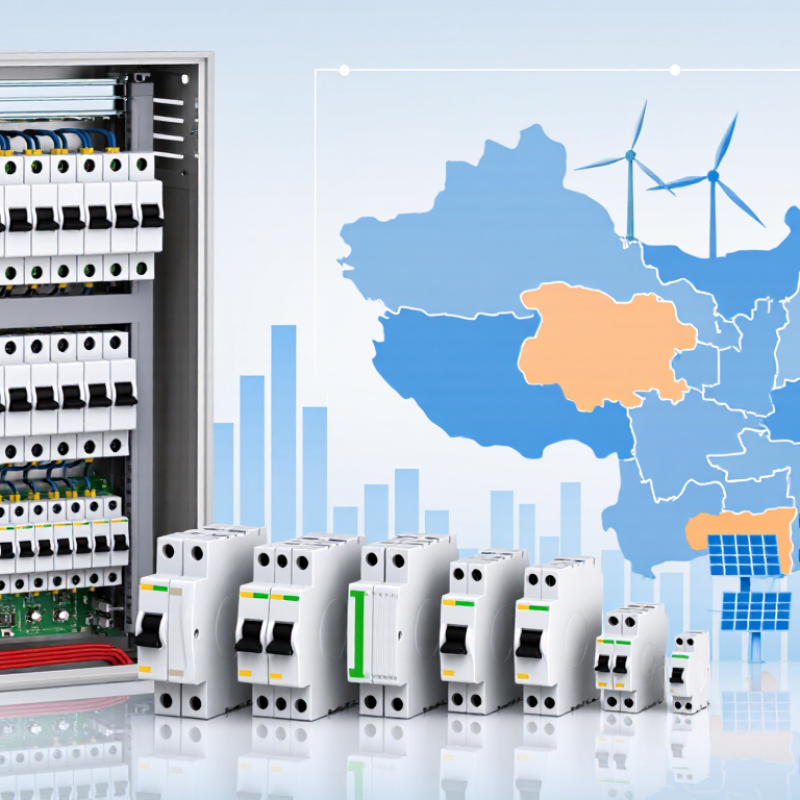
A surge protective device, or SPD, reduces the damaging effects of brief voltage spikes. These can enter through power lines during lightning activity or switching events. An SPD detects excessive voltage and creates a low-impedance path for surge current, usually toward the grounding system. It also limits the voltage reaching connected equipment. The surge may last only microseconds. The protection happens quickly.
Many low-voltage SPDs use metal-oxide varistors, gas discharge tubes, or a combination of components. A varistor changes its electrical resistance as voltage rises; a discharge tube can conduct when voltage crosses its designed threshold. After the event, the device returns to normal operation if it has not reached its service limit.
Placement matters: electricians commonly install protection near the incoming supply and, where needed, closer to sensitive equipment. Grounding, conductor length, and coordination between devices affect performance. A status indicator can show when replacement is needed, but it does not prove the whole system is protected.
Real installations are messier than diagrams. That deserves a second look.
Choose an SPD with suitable voltage ratings, surge-current capacity, and a recognized test standard for the installation, then have a qualified professional verify its wiring and condition.
What Are the Best SPD Surge Protective Devices in China?
The right surge protective device depends on the electrical system and where protection is needed. Type 1 SPDs are commonly installed near the service entrance, where they can handle high-energy surges, including lightning-related currents. Type 2 devices are typically fitted in distribution boards to limit surges from switching and residual incoming events. Type 3 units protect sensitive equipment, such as a control panel or computer, and are installed close to the load. Placement matters.
For a TN-S or TN-C-S system, check the conductor arrangement and choose an SPD connection suited to that topology. TT systems need careful attention to residual-current protection and the SPD’s connection design. IT systems require a separate assessment of insulation monitoring and permissible voltage. Details matter. Match the device’s voltage rating, discharge capacity, and short-circuit withstand rating to the installation. Coordinate upstream and downstream SPDs so one device does not carry the whole burden. A tidy selection chart can still miss real site conditions; cable length, backup protection, and exposure to surges all affect performance. Have a qualified electrical professional verify the design and installation.
Choosing an SPD is less about finding the biggest rating and more about matching the device to the installation. Check the system voltage, earthing arrangement, and exposure to lightning or switching surges. Type 1, Type 2, and Type 3 devices serve different points in a protection plan. Compare maximum continuous operating voltage (Uc), voltage protection level (Up), and discharge-current ratings under the same test conditions. Numbers need context. A low Up value matters only if the device is suitable for the system and installed correctly.
Tips: Ask for traceable test reports against the current applicable GB/T 18802.11 requirements, and review the stated IEC 61643-11 test basis. Check short-circuit ratings, required backup protection, thermal disconnection, and clear status indication. Confirm that replacement parts are available.
A datasheet cannot show every installation risk. Inspect the panel layout, cable length, conductor size, and connection path; long leads can reduce protective performance. Verify coordination between upstream and downstream SPDs, then follow the manufacturer’s installation instructions and local project requirements. Field conditions are easy to underestimate, and even a well-rated device may need reassessment after a panel change. Ask a qualified electrical professional to review uncertain cases.
China’s SPD market includes large electrical manufacturers, specialist protection-device makers, and export-oriented factories. Their products may look similar, but design depth and quality controls can differ. A useful shortlist starts with the application: a distribution board, rooftop solar system, or sensitive control cabinet each needs a suitable protection approach. Type 1, Type 2, and Type 3 devices are not interchangeable. Details matter.
Compare technical data, not just catalogue claims. Check maximum continuous operating voltage, voltage protection level, discharge-current ratings, and the stated short-circuit capability. Ask whether test reports identify the exact model and test conditions. For low-voltage AC SPDs, references to IEC 61643-11 can help frame the discussion, but the report and product configuration still need verification. A polished catalogue can leave questions unanswered. That happens.
For manufacturers, look for consistent batch records, clear installation instructions, responsive engineering support, and transparent warranty terms. Independent laboratory testing and factory quality procedures offer stronger evidence than a low price or a broad product range alone. Request samples when practical, then inspect terminal fit, markings, and the replaceable module indicator. Small details count. Even careful checks have limits: a sample cannot prove every production batch is identical. Ask how incoming components and finished units are tracked before choosing a supplier.
The best SPD is matched to your system, not simply the device with the largest surge rating. Start with the supply type, nominal voltage, earthing arrangement, and whether the circuit is AC, DC, or photovoltaic. A rooftop PV inverter, for example, needs an SPD rated for its DC voltage and polarity. Small mismatch, big trouble.
Then consider the installation point and exposure. Type 1 devices suit locations where partial lightning current may enter; Type 2 units protect distribution boards from induced surges. Type 3 devices are typically used near sensitive equipment, with coordinated upstream protection. Check Uc, Up, and discharge-current ratings against system requirements and expected surge exposure. A lower Up can limit residual voltage, but wiring length and connection quality also affect protection. Keep leads short and follow the device instructions.
Verify test documentation and standards relevant to the installation, along with any required backup fuse or breaker. Check coordination with upstream and downstream devices; otherwise, one SPD may carry too much of the work. Ask a qualified electrician to inspect bonding, earthing, and panel space before selection. In practice, a tidy label rarely tells the whole story. Record the ratings and installation date, then check the status indicator during routine maintenance.
Compare the standard impulse waveforms used to test different SPD types. Select an SPD based on the installation’s lightning exposure, system voltage, earthing arrangement and required protection level—not waveform duration alone.
How to read the chart: Type 1 devices are tested with a 10/350 μs current impulse; Type 2 devices use an 8/20 μs current impulse. Type 3 devices are tested with a combination wave: 1.2/50 μs open-circuit voltage and 8/20 μs short-circuit current. These are waveform parameters, not device performance ratings.
It limits brief voltage spikes and diverts surge current toward the grounding system. The event may last only microseconds.
Components such as varistors or discharge tubes respond when voltage rises. They create a path for surge current and limit voltage reaching connected equipment. Quickly, but not perfectly.
Protection is often placed near the incoming supply, with additional devices closer to sensitive equipment when needed. Placement depends on the installation.
These types serve different points in a protection plan. Match the device type to the electrical system and installation requirements.
Check system voltage, continuous operating voltage (Uc), protection level (Up), and discharge-current ratings under comparable test conditions. Bigger numbers alone do not guarantee better protection.
Grounding quality, conductor size, and connection paths affect performance. Long leads can reduce protection. Panels are rarely as neat as diagrams.
Request traceable reports against applicable GB/T 18802.11 requirements and review the stated IEC 61643-11 test basis. Check short-circuit ratings, backup protection, and thermal disconnection.
No. It can show when replacement may be needed, but it does not confirm system-wide protection. A qualified professional should inspect wiring and condition. We can miss details.
Spd Surge Protective Devices help protect electrical installations from transient overvoltages caused by events such as lightning or switching operations. They work by limiting excess voltage and diverting surge current away from sensitive equipment. The right device depends on the electrical system and where protection is needed: different SPD types are designed for service entrances, distribution panels, or equipment-level protection, and must suit the system’s voltage, grounding arrangement, and expected exposure.
To evaluate an SPD, consider its discharge capacity, voltage protection level, response characteristics, status indication, and suitability for the installation environment. Check that its safety features and certifications align with applicable standards, and ensure it can be installed and coordinated correctly with other protective devices. Choosing the best option means matching the SPD’s type and ratings to the application, the equipment being protected, and the level of risk, rather than relying on a single specification.

Srochn