Choosing the right Mcb Mini Circuit Breaker (MCB) is crucial for any electrical installation. According to a recent industry report, the global market for MCBs is projected to grow at a CAGR of 6% through 2027. This growth underscores the importance of selecting the most suitable product for specific applications. The right MCB Mini Circuit Breaker can significantly enhance safety and reliability in electrical systems.
In residential and commercial settings, an MCB serves as the first line of defense against electrical overloads and short circuits. Each MCB is tailored for particular voltage levels and load capacities. The selection process can sometimes feel overwhelming due to the variety of choices available. Industry data show that incorrect MCB selection can lead to increased operational costs and safety hazards. These challenges highlight the necessity of making informed decisions based on technical specifications and application needs.
It’s essential to reflect on your unique requirements when evaluating MCB options. Factors like the type of electrical equipment, load characteristics, and installation environment must be considered. Accurate assessment of these factors can result in better performance and longevity of electrical systems. Investing the time to choose wisely can save you from costly mistakes down the line.
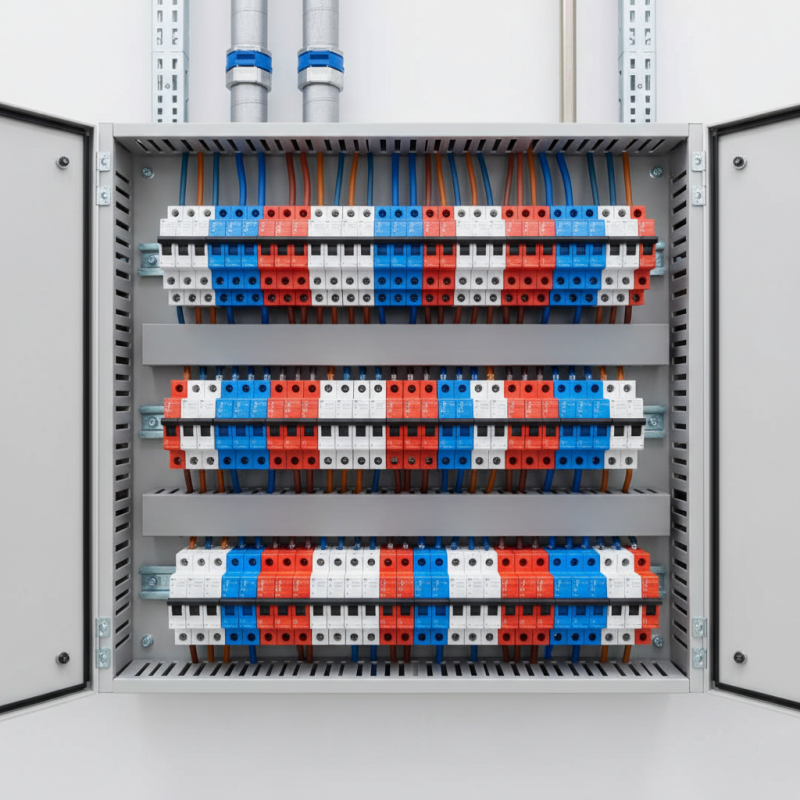
Understanding the Basics of Mini Circuit Breakers (MCBs)
When selecting a mini circuit breaker (MCB), understanding the basics is crucial. MCBs protect electrical circuits from overload and short circuits. They automatically switch off the circuit when excessive current flows. This function prevents potential damage to wiring and connected devices.
Before choosing an MCB, consider your electrical needs. Identify the maximum current your circuit will carry. Pay attention to the voltage rating as well. For most homes, MCBs typically come rated for 6A to 32A. Ensure that the MCB you select matches these requirements carefully.
Tips: Always check the tripping characteristics. Standard types include B, C, and D, each suitable for different applications. If you have motors or inductive loads, a C or D type may be more appropriate. Additionally, inspect the installation environment. Factors like humidity or temperature can affect performance.
Not all MCBs are created equal. Look for reliable certifications and standards. While cost is a factor, prioritize quality. Read reviews and gather opinions from trusted professionals. This step can save you from potential issues later.
Identifying Your Electrical Load and Requirements
When selecting a mini circuit breaker (MCB), understanding your electrical load is essential.
Electrical load refers to the amount of power your appliances and devices consume. A recent report by the International Electrotechnical Commission indicates that identifying load requirements can help prevent overloads and maintain safety in residential and commercial settings.
Begin by calculating your total wattage. List every device you plan to use. For instance, a 1,500-watt heater will require a specific MCB rating. Generally, it’s good practice to account for a 20% safety margin, allowing for unforeseen increases in consumption. This way, you ensure that your MCB won't trip unnecessarily.
Additionally, consider the nature of your load. Resistive loads, like heaters, behave differently than inductive loads, such as motors. MCBs typically handle these variances, but knowing the difference can help in choosing the right one. Inconsistencies can lead to unnecessary trips or, worse, electrical hazards that compromise safety. Thus, examining your electrical needs with these details in mind is crucial for reliable circuit protection.
Evaluating Different Types of MCBs Available
When evaluating different types of Mini Circuit Breakers (MCBs), it’s essential to consider their specific applications. MCBs are categorized by their tripping characteristics, which can vary based on the electrical load.
Type B MCBs trip quickly under overloads, making them suitable for domestic uses. They protect against low current overloads and are common in residential settings.
Type C MCBs, on the other hand, are designed to handle moderate inrush currents. This makes them ideal for industrial applications, where motors or transformers might cause temporary surges. Understanding these characteristics will help you choose the right MCB for your environment.
Another factor to consider is the number of poles. Single-pole MCBs are typically used for lighting circuits. But for three-phase systems, you will need a three-pole MCB. It's crucial to evaluate your current setup and choose accordingly. Reflecting on personal experiences can guide decisions. Perhaps a wrong choice led to nuisance tripping in the past. Take your time, and ensure you select the MCB that aligns with your electrical demands.
Key Specifications to Consider When Choosing an MCB
When selecting a mini circuit breaker (MCB), several key specifications can greatly influence your choice. One vital aspect is the breaking capacity. This refers to the maximum fault current that the MCB can interrupt without damaging itself. According to industry reports, MCBs are often rated for breaking capacities ranging from 6kA to 100kA. Choosing an MCB with an appropriate rating ensures the safety of your electrical system.
Another crucial specification is the current rating. MCBs come in various current ratings, typically from 6A to 63A for residential applications. However, the load requirements in your specific setting will dictate the rating you need. For instance, a kitchen with heavy appliances may necessitate higher ratings. It's imperative to accurately assess your load to avoid under or over-sizing, which could lead to circuit overloads.
Lastly, consider the tripping characteristics, typically classified as B, C, or D types. Type B MCBs trip at low overloads, ideal for residential uses. Whereas C and D types are suitable for industrial settings with high inrush currents. Reports indicate that up to 15% of electrical failures can be traced back to inappropriate MCB selection. This can serve as a reflection point in your decision-making. The right MCB selection is not just about meeting specifications. It's about ensuring a reliable and safe electrical environment.
Installation and Maintenance Tips for MCBs
When installing a mini circuit breaker (MCB), attention to detail is crucial. The electrical standards recommend that MCBs be installed in dry locations, away from moisture. This can prevent rust and enhance reliability. Proper connections can influence the breaker's performance. Loose connections can lead to overheating, compromising safety and efficiency.
Regular maintenance is essential for the functionality of MCBs. According to a study by the Institute of Electrical and Electronics Engineers, nearly 30% of electrical failures arise from poor maintenance practices. Keeping a clean environment around the breaker is necessary. Dust and debris can cause operational issues. Users should periodically test the MCB by pushing the test button to ensure it operates correctly.
Understanding the specifications is vital too. Check the rated current and curves. MCBs come in different types tailored for various applications. Knowledge about these characteristics can help avoid potential issues. Ensuring compatibility with your specific electrical system prevents hazards. Regular checks and adherence to installation guidelines are keys to optimal performance.
FAQS
: MCBs are devices that protect electrical circuits from overloads and short circuits. They automatically disconnect the circuit when issues occur.
Consider the application's tripping characteristics. Type B MCBs are good for homes, while Type C suits industrial setups.
Single-pole MCBs are used for lighting circuits. Three-pole MCBs are necessary for three-phase systems.
MCBs should be installed in dry locations, away from moisture. This prevents rust and enhances reliability.
Regular maintenance is key. Keep the area clean and periodically test the MCB using the test button.
Poor maintenance practices are responsible for nearly 30% of electrical failures. This highlights the need for regular checks.
Understanding rated current and curves is crucial. It helps avoid compatibility issues and potential hazards in your system.
Loose connections can lead to overheating and decreased safety. Ensuring all connections are secure is vital for performance.
Reflect on your setup. Frequent tripping might indicate a wrong type or issues within your electrical system.
Many overlook the importance of location and secure connections. These oversights can lead to operational issues and safety risks.
Conclusion
When selecting the appropriate MCB Mini Circuit Breaker for your electrical needs, it’s essential to grasp the basics of how these devices function. Begin by assessing your electrical load and specific requirements, as this will guide you in determining the right MCB type for your application. Familiarize yourself with the various types of MCBs available, each designed to handle different load capacities and applications.
Key specifications to consider include current ratings, tripping characteristics, and safety features tailored to your environment. Proper installation and regular maintenance are crucial for ensuring the reliability and longevity of your MCB Mini Circuit Breaker. By understanding these facets, you can make an informed choice that enhances both safety and efficiency in your electrical systems.

 Srochn