Choosing an Open Contactor in 2026 requires more than comparing current ratings. The right device must match the application, switching frequency, voltage, enclosure, and expected fault conditions. A contactor controlling a 400-volt battery pack faces different demands from one operating a compressor or motor starter. Heat, vibration, dust, and limited cabinet space also matter.
Electrical safety expert John D. Wiles has often emphasized, “Safety begins with understanding the hazards.” That principle applies directly to Open Contactor selection. Engineers should examine the load profile, inrush current, coil voltage, auxiliary contacts, insulation requirements, and interruption capacity. Datasheets deserve careful reading. Marketing language does not replace test evidence.
A practical evaluation should include terminal temperature checks, coil response, contact resistance, and endurance testing under realistic loads. A compact contactor may appear efficient, yet poor heat dissipation can shorten its service life. An oversized model may improve durability, but it can increase cost, panel space, and coil power. There is no universal best choice.
The imperfect part is often the installation. Wiring length, loose terminals, or a weak suppression circuit can undermine a high-quality component. Selection must therefore connect laboratory specifications with field experience. In this guide, we will examine how to compare Open Contactor technologies, verify manufacturer claims, and avoid common mistakes before purchasing in 2026.
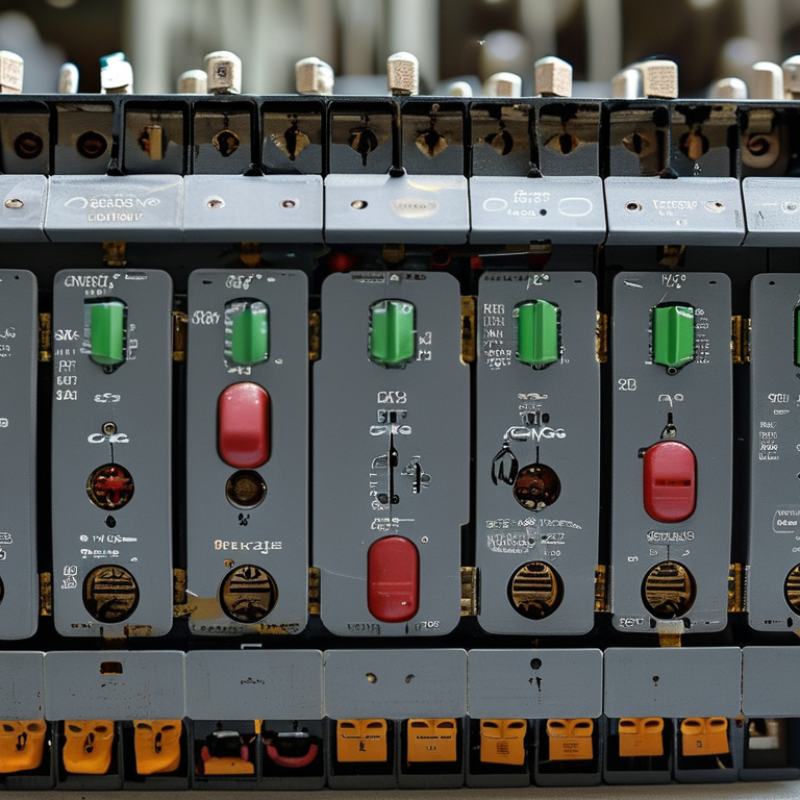
An open contactor is an electromechanical switching device without a complete protective enclosure.
IEC 60947-4-1 defines requirements for contactors and motor starters used in low-voltage systems. Its scope reaches up to 1,000 V AC. That number is not a permission slip. A 1,000 V rating does not automatically suit every 1,000 V motor circuit.
AC-3 is the key utilization category for squirrel-cage motors.
It covers starting and switching off a running motor. Starting current can reach several times the motor’s full-load current, so select by motor power, voltage, duty cycle, and switching frequency. Check the rated operational current, not only the device’s thermal current. The difference matters. An open design also needs a suitable enclosure, correct clearances, and protection against dust, moisture, and accidental contact.
The IEA’s Global EV Outlook 2024 reported more than 17 million electric cars sold worldwide in 2024.
That growth reflects broader electrification and more frequent motor-control applications. It also exposes weak selection habits. A field review should verify short-circuit coordination, overload protection, coil voltage, auxiliary contacts, altitude, and ambient temperature. IEC 60947-4-1 compliance helps, but it does not replace application engineering. I sometimes see the 1,000 V figure treated as the main decision. It is only one checkpoint. The motor’s real AC-3 duty may tell a different story.
How to Choose an Open Contactor in 2026?
Match Motor Loads Using AC-3 Current, kW/HP, and 400/480 V Data
Choose an open contactor from the motor’s AC-3 rating, not its no-load current. AC-3 covers starting and stopping squirrel-cage motors under normal operating conditions. Read the motor nameplate carefully. Record voltage, rated current, power, frequency, and duty.
For a 400 V motor, compare its kW rating with the contactor’s 400 V AC-3 table. At 480 V, use the separate 480 V data. Do not assume a 400 V rating transfers directly. The same motor power can produce different current values at different voltages. A 10 kW motor may also be listed as approximately 13.4 HP, but conversion alone is not enough. Manufacturer tables and nameplate current remain more reliable.
Check the contactor’s AC-3 operational current, usually marked Ie. It should meet or exceed the motor’s rated current at the actual voltage. Starting current still matters for upstream protection and voltage drop, though it does not replace AC-3 selection. Confirm the coil voltage separately. It may differ from the motor circuit voltage. The control panel also needs suitable short-circuit protection and an overload relay.
The tempting shortcut is choosing by kW alone. I would avoid it. Altitude, frequent jogging, reversing, and high ambient temperature can change the practical choice. Open construction also requires a properly enclosed, ventilated panel. That detail is easy to miss. A final nameplate check can prevent an expensive mismatch.
| Selection Class | Motor Output kW |
Approx. Motor Output HP |
Typical Full-Load Current | Recommended Minimum AC-3 Rating |
Typical Application | |
|---|---|---|---|---|---|---|
| 400 V, 3-Phase A |
480 V, 3-Phase A |
|||||
| AC-3 6 A | 2.2 | 3 | 4.8 | 4.0 | 6 A | Small pumps, fans, machine tools |
| AC-3 9 A | 4.0 | 5.4 | 8.5 | 7.1 | 9 A | Compressors, conveyors, workshop machinery |
| AC-3 12 A | 5.5 | 7.4 | 11.5 | 9.6 | 12 A | Medium pumps, fans, blowers |
| AC-3 18 A | 7.5 | 10.1 | 15.5 | 12.9 | 18 A | Material-handling equipment, HVAC motors |
| AC-3 25 A | 11 | 14.8 | 22 | 18.3 | 25 A | Large fans, pumps, compressors |
| AC-3 32 A | 15 | 20.1 | 29 | 24.2 | 32 A | Conveyors, mixers, process machinery |
| AC-3 40 A | 18.5 | 24.8 | 35 | 29.2 | 40 A | Industrial pumps and fan systems |
| AC-3 50 A | 22 | 29.5 | 41 | 34.2 | 50 A | Compressors, crushers, heavy conveyors |
| AC-3 65 A | 30 | 40.2 | 56 | 46.7 | 65 A | Large process drives and hoists |
| AC-3 80 A | 37 | 49.6 | 68 | 56.7 | 80 A | High-capacity pumps and conveyors |
| AC-3 95 A | 45 | 60.3 | 82 | 68.3 | 95 A | Heavy-duty industrial motors |
| AC-3 115 A | 55 | 73.8 | 100 | 83.3 | 115 A | Large compressors and processing lines |
| AC-3 150 A | 75 | 100.6 | 135 | 112.5 | 150 A | Large pumps, fans and production equipment |
| AC-3 185 A | 90 | 120.7 | 160 | 133.3 | 185 A | Heavy industrial drive systems |
| AC-3 225 A | 110 | 147.5 | 195 | 162.5 | 225 A | Large-capacity motor control panels |
| Important Selection Notes | ||||||
| The current values are typical guide values for three-phase squirrel-cage motors operating at rated load. Actual current depends on motor efficiency, power factor, service factor, altitude, temperature, and the nameplate rating. Always select the contactor by its AC-3 utilization-category rating at the actual operating voltage and verify that the rating is equal to or greater than the motor nameplate current. | ||||||
| AC-3 ratings are intended for starting and switching off motors during normal operation. Applications with frequent inching, plugging, reversing, high starting frequency, or severe braking may require an AC-4-rated device or a higher-rated contactor. | ||||||
How to Choose an Open Contactor in 2026?
An open contactor should match the real switching duty, not only the motor’s rated current. The U.S. Department of Energy’s Motor Systems Market Assessment reports that motor-driven systems use about 69% of industrial electricity. Frequent starts therefore place serious stress on contacts, coils, and terminals. Check the utilization category, load type, inrush current, and required electrical endurance. IEC 60947-4-1 distinguishes operating conditions that can change contact life significantly. A 100,000-operation rating sounds strong. It is not a guarantee.
Compare electrical endurance with mechanical endurance. A contactor may survive 100,000 mechanical movements but fewer loaded switching cycles. Ask whether the rating applies to AC-3 motor duty, resistive loads, or another test condition. Review the manufacturer’s test temperature and switching interval. Real panels are often hotter and less tidy than laboratory setups. That assumption is weak.
Tips: Select a coil marked for both 50 and 60 Hz when supply frequency may vary. Confirm the exact voltage, pickup behavior, dropout limits, and coil heating. Measure the control voltage at the coil, not only at the transformer. A small voltage drop can create chatter, and chatter can damage contacts quickly. I would also leave a maintenance margin instead of designing exactly around 100,000 operations. Forecast the annual cycles, then compare them with the rated duty. This simple calculation is easy to overlook.
Verify switching duty with a documented 100,000-operation rating and confirm that the AC coil supports the required 50/60 Hz supply.
The chart calculates annual switching operations as daily operations × 365. Select a contactor whose documented electrical endurance meets or exceeds the expected duty, then verify the load category, voltage, current, and 50/60 Hz coil compatibility in the technical datasheet.
Choosing an open contactor in 2026 requires more than comparing coil voltage and ampere ratings. I start with the installation record: available fault current, enclosure location, motor duty, ambient temperature, and maintenance access. UL 60947-4-1 provides a useful framework for low-voltage contactors and motor starters. However, a conformity mark cannot replace checking the exact product rating. This is where many selections become optimistic.
SCCR deserves a separate check. The contactor’s short-circuit coordination must suit the panel’s calculated fault current and protective device. A higher fault level can turn a familiar component into a weak link. The U.S. Bureau of Labor Statistics recorded 126 fatal occupational injuries involving electricity in 2023. The number is small beside total workplace injuries, but the consequence is severe. I would request test evidence, not a rounded marketing claim. Also confirm whether the panel calculation follows the applicable installation code.
IP20 protects against fingers and solid objects, not water, dust ingress, or condensation. NFPA’s Electrical Fires report estimated 32,000 U.S. home structure fires annually involved electrical distribution and lighting equipment during 2016–2020. Industrial conditions differ, yet the warning remains practical: exposed terminals need a suitable enclosure and disciplined isolation procedures. For 2026 projects, verify the latest adopted edition, certification scope, SCCR marking, creepage requirements, and local authority acceptance. “2026 compliant” is not a universal technical rating. A clean datasheet can still hide an unsuitable installation.
An open contactor should be judged by lifecycle cost, not purchase price alone. The International Energy Agency reports that electric motor systems consume roughly half of global electricity. A small coil saving can matter across hundreds of panels. For example, reducing coil demand from 5 watts to 2 watts saves about 26.3 kWh yearly per continuously energized unit. At $0.12 per kWh, that equals $3.16 annually. With 1,000 contactors, the estimated saving reaches $3,160 each year.
Thermal limits deserve equal attention. A coil converts electricity into heat inside the enclosure, raising the burden on ventilation or cooling equipment. Check the rated ambient temperature, duty cycle, switching frequency, and enclosure temperature together. IEC 60947-4-1 provides a useful framework for contactor performance and utilization categories. The U.S. Department of Energy also identifies motor-driven systems as major industrial electricity users. A lower-watt coil may improve ROI, but only if its holding reliability remains stable under real operating conditions. My practical mistake has been trusting room-temperature tests too much.
Tips: Build a five-year model. Include coil energy, cooling power, replacement labor, downtime, and disposal. Measure panel temperature during peak load. A one-hour test can reveal more than a spreadsheet. Do not assume the cheapest coil wins. Thermal data is often incomplete, so request test conditions and repeat the calculation with a 20% safety margin.
: It is an electromechanical switch without a complete protective enclosure. It needs a suitable panel. The panel should limit dust, moisture, heat, and accidental contact.
It defines requirements for contactors and motor starters in low-voltage systems. Its scope can reach 1,000 V AC. That rating is only one checkpoint.
No. Check voltage, motor current, AC-3 duty, insulation, clearances, and protection. A voltage match alone is insufficient. The real application may demand more.
AC-3 covers starting and switching off squirrel-cage motors under normal conditions. Starting current may reach several times full-load current. Select using the motor’s real operating data.
Read the motor nameplate first. Record voltage, rated current, power, frequency, and duty. Compare rated operational current, or Ie, with the motor current. Use the correct table for 400 V or 480 V.
No. Power conversion is useful, but it cannot replace nameplate current. A 10 kW motor may equal about 13.4 HP. Still, voltage and operating conditions can change the selection.
Frequent jogging, reversing, high altitude, and hot surroundings may require a different contactor. Check overload protection and short-circuit coordination. Confirm the coil voltage separately. It may differ from the motor voltage.
Lower coil demand can reduce panel heat and operating cost. For example, reducing five watts to two watts saves about 26.3 kWh yearly. That assumes continuous energization. Real savings may differ.
Build a five-year estimate including coil energy, cooling, labor, downtime, and disposal. Measure panel temperature during peak operation. A one-hour test can expose hidden heat. I once trusted room-temperature testing too much.
Verify nameplate current, voltage, AC-3 rating, coil voltage, overload settings, and enclosure ventilation. Check clearances and accidental-contact protection. Request thermal test conditions when data is incomplete. Add a practical safety margin.
Choosing an Open Contactor in 2026 requires more than checking voltage and price. Start by confirming that the device is designed to the relevant IEC 60947-4-1 requirements, supports AC-3 motor-duty operation, and has a voltage rating suitable for the installation, including systems up to 1,000 V. Match the contactor to the motor’s AC-3 current, kW or HP, and operating voltage, especially when comparing 400 V and 480 V applications. Also verify that the coil supports the required 50/60 Hz frequency and that the switching mechanism is rated for the expected number of operations, such as 100,000 cycles.
Safety and long-term value should guide the final decision. Review UL 60947-4-1 compliance, short-circuit current rating (SCCR), IP20 protection, and applicable 2026 installation requirements. Then compare lifecycle costs by considering coil power consumption, thermal limits, maintenance needs, service life, and potential downtime. A reliable selection balances electrical performance, safety margins, energy use, and total return on investment rather than focusing only on the initial purchase price.

Srochn