In today's fast-paced electrical landscape, the importance of an Overload Voltage Protector cannot be overstated. With an annual market growth rate of nearly 5% in the global surge protection devices industry, understanding how these protectors function is essential for both manufacturers and consumers. An Overload Voltage Protector acts as a safeguard, preventing excess voltage from damaging electronic devices. This mechanism is vital, especially as more households and businesses rely on sensitive electronic equipment.
Research highlights that damage from voltage overloads accounts for over 30% of electrical equipment failures annually. Such failures can lead to substantial financial losses, estimated at billions of dollars each year. Without effective protection, the risk to appliances, computers, and critical infrastructure increases. An Overload Voltage Protector not only prevents equipment damage but also enhances safety measures in residential and commercial settings.
However, despite their benefits, many users remain unaware of the specific functionalities of these devices. Some may even overlook essential maintenance practices. As we delve deeper into the workings of Overload Voltage Protectors, it’s crucial to bridge this knowledge gap. This understanding can empower users to make informed decisions, ultimately leading to better protection and longevity for their electrical investments.
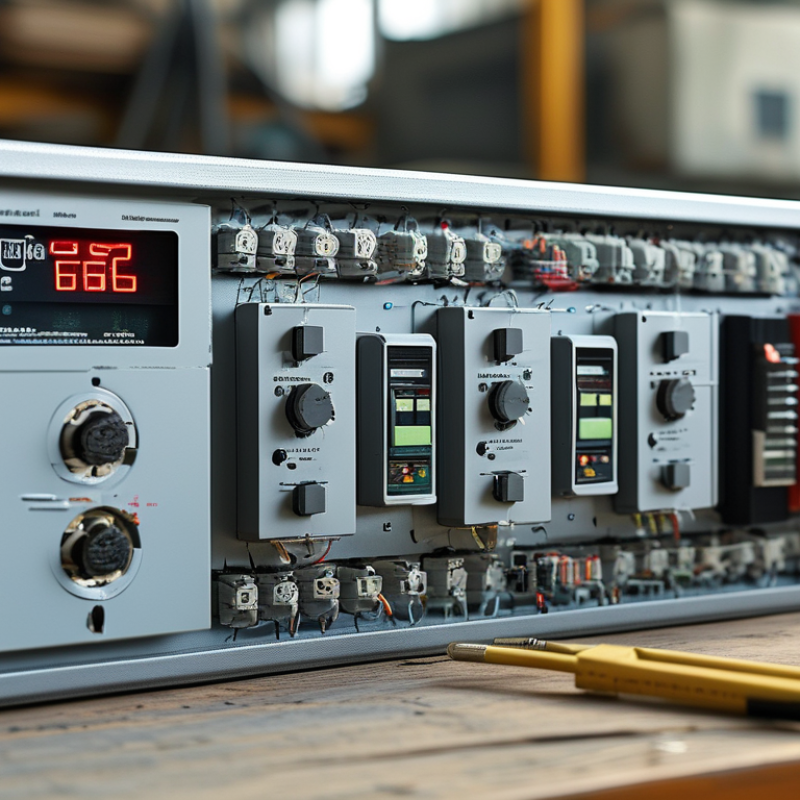
What is Overload Voltage Protector?
An overload voltage protector is a crucial component in electrical systems. It helps prevent damage caused by excessive voltage levels. High voltage can result from lightning strikes, power surges, or equipment malfunctions. When voltage exceeds a predefined threshold, these protectors immediately act to disconnect the affected circuit. This swift response is vital for safeguarding sensitive equipment.
Recent industry reports indicate that around 30% of electrical failures are due to voltage-related issues. In industrial settings, the cost of equipment damage from surges can reach tens of thousands of dollars annually. Overload voltage protectors play an essential role in mitigating these risks. The design often involves pressure-sensitive sensors or circuit breakers that automatically respond to unsafe voltage levels.
Despite their effectiveness, many systems still lack adequate protection, leaving them vulnerable to sudden surges. Regular maintenance and testing of these devices are often overlooked. In a world where reliance on electrical systems grows, prioritizing voltage protection measures is imperative for reliability. Ignoring this can lead to significant financial and operational setbacks.
The Principle Behind Overload Voltage Protection
Overload voltage protectors are essential in safeguarding electrical equipment from voltage spikes. These devices operate on a simple yet effective principle: they detect excessive voltage levels and disconnect the circuit. The idea is to prevent damage that can lead to costly repairs or replacements. According to the International Electrotechnical Commission, high voltage scenarios can occur due to lightning strikes, power surges, or faulty wiring, leading to equipment failure in about 30% of cases.
The effectiveness of overload voltage protection relies on its ability to react quickly. Some devices can cut off power in microseconds when detecting thresholds above the recommended voltage. IEEE reports suggest that systematic deployment of these protectors can reduce equipment damage by up to 40%. This statistic highlights the importance of proper voltage regulation in power systems.
However, flawed designs and poor installation practices can undermine their efficiency. Not all protectors are created equal; some models may not respond quickly enough to abrupt changes. Regular maintenance and testing are crucial. Industry analyses often reveal that organizations neglect these aspects. It's vital to ensure that your protection systems are reliable. Investing in quality protection can prevent significant future losses.
What is Overload Voltage Protector and How Does It Work? - The Principle Behind Overload Voltage Protection
| Feature |
Description |
Importance |
| Voltage Monitoring |
Constantly checks the voltage level in the electrical circuit. |
Ensures the voltage remains within safe limits. |
| Overload Detection |
Identifies when voltage exceeds pre-set thresholds. |
Prevents damage to connected devices and circuits. |
| Automatic Disconnection |
Automatically disconnects the circuit to prevent damage. |
Critical for protecting electrical appliances and infrastructure. |
| Reset Mechanism |
Allows manual or automatic resetting after disconnection. |
Facilitates quick restoration of service after protection activation. |
| LED Indicators |
Visual signals to indicate the operational status. |
Enhances user awareness of system conditions. |
Key Components of Overload Voltage Protectors
Overload Voltage Protectors (OVPs) play a crucial role in safeguarding electrical systems. These devices help prevent damage caused by voltage spikes, which can be detrimental to equipment longevity. Understanding the key components of OVPs can enhance their effectiveness in a variety of applications.
One core component is the voltage sensor. These sensors monitor electrical current and detect irregular voltage levels. According to a recent industry report, voltage sensors account for approximately 30% of OVP failures due to poor calibration. Ensuring that sensors are regularly tested can prevent misinterpretations of safe operating conditions. Another vital element includes surge suppressors. These devices absorb excess voltage, redirecting it to the ground. Interestingly, studies show that integrating advanced surge suppressors can reduce incident damage by as much as 70%.
While crucial, OVP systems are not infallible. Many users overlook regular maintenance. Inadequate upkeep can lead to system inefficiencies, reducing protection capabilities. Additionally, reliance on basic models in high-demand environments can result in inadequate coverage. Keeping these considerations in mind is essential for maintaining optimal protection levels. The industry continues to evolve, and companies should remain updated on the latest advancements in OVP technology.
Overload Voltage Protector Performance Analysis
This bar chart illustrates the voltage levels encountered by an overload voltage protector during various operational phases: normal operation, overload condition, intervention, and recovery. Each phase indicates how the protector responds to electrical variations to safeguard connected devices.
How Overload Voltage Protectors Operate in Circuits
Overload voltage protectors play a critical role in safeguarding electrical circuits. These devices monitor voltage levels and disconnect the circuit if they exceed a safe threshold. This helps prevent damage to appliances and electrical components. Voltage protection is essential in various applications, including home wiring and industrial setups.
The operation of overload voltage protectors hinges on their ability to detect excessive voltage. When the voltage surpasses a predetermined level, the protector activates. It disrupts the electrical flow, acting like a circuit breaker. This instant response helps to mitigate risks. Many designs utilize a bimetallic strip or electronic sensors for accurate detection.
However, not all overload voltage protectors function flawlessly. In some cases, they may trip too early or fail to activate. Calibration is vital for optimal performance. Environmental factors, such as temperature and humidity, can also affect reliability. Testing these devices regularly ensures that they function correctly, offering peace of mind in circuit safety.
Applications and Benefits of Overload Voltage Protectors
Overload voltage protectors (OVPs) play a crucial role in safeguarding electrical systems. These devices monitor voltage levels and disconnect power when excessive voltage is detected. Their primary application lies in industrial settings where machinery and sensitive electronics operate. By providing a safety net, OVPs help prevent equipment damage and costly downtime.
In residential applications, OVPs are often integrated into power strips or surge protectors. They shield home appliances from voltage spikes caused by lightning or power surges. This protection is vital for preserving the longevity of sensitive devices like computers and televisions. However, not all systems employ OVPs, leading to an increased risk of device failure and potential fire hazards.
The benefits of using overload voltage protectors extend beyond mere damage prevention. They enhance energy efficiency by ensuring that devices operate within safe voltage ranges. Furthermore, installing OVPs can comply with electrical regulations, showcasing a commitment to safety. While some may view the cost of OVPs as excessive, the long-term savings and peace of mind they provide are often underestimated.
Conclusion
An Overload Voltage Protector is a crucial device designed to safeguard electrical circuits from excessive voltage that can lead to damage or failure. This protector operates on the principle of monitoring voltage levels and reacting to surges by disconnecting the affected circuit. Key components include sensors that detect voltage anomalies, fuse links for circuit disconnection, and control mechanisms that ensure swift responses to overload situations.
In operation, Overload Voltage Protectors integrate seamlessly into electrical systems, providing an essential layer of security. They are widely used in various applications, from residential installations to industrial settings, offering benefits such as enhanced safety, protection against equipment damage, and improved reliability of electrical systems. By preventing overvoltage conditions, these protectors play a significant role in ensuring the longevity and efficiency of electrical equipment.

 Srochn