Top 10 Three Voltage Protectors for Global Buyers?

Time:2026-11-25 Author:Madeline
0%

Choosing a Three Voltage Protector is not just a matter of comparing prices or counting features. Global buyers must match the device to their supply voltage, phase configuration, connected load, and operating environment. A unit suited to a small workshop may be a poor fit for a pump, refrigeration system, or production line. Small details matter.

For transparency, this introduction uses Maya Chen as an illustrative electrical-protection specialist, not as a verified interview source. Her guiding principle for this comparison is: “Match the protector to the real load and supply conditions, not the product headline.” That is a practical starting point, not a substitute for documented specifications or qualified technical advice. Buyers should check voltage range, current capacity, response behavior, recovery settings, and installation requirements. A clear datasheet is worth more than a polished product image.

The Top 10 Three Voltage Protectors for Global Buyers will compare models through those practical criteria. It will also consider build quality, ease of setup, available technical support, and suitability for different applications. Products may look similar. Their limits can differ. Some listings leave important details unclear, and that deserves scrutiny rather than guesswork. Confirm compatibility with the equipment manufacturer and a qualified electrician before installation. Regional power conditions vary, so no single model is automatically right everywhere. The shortlist aims to help buyers ask better questions and narrow their options with care.
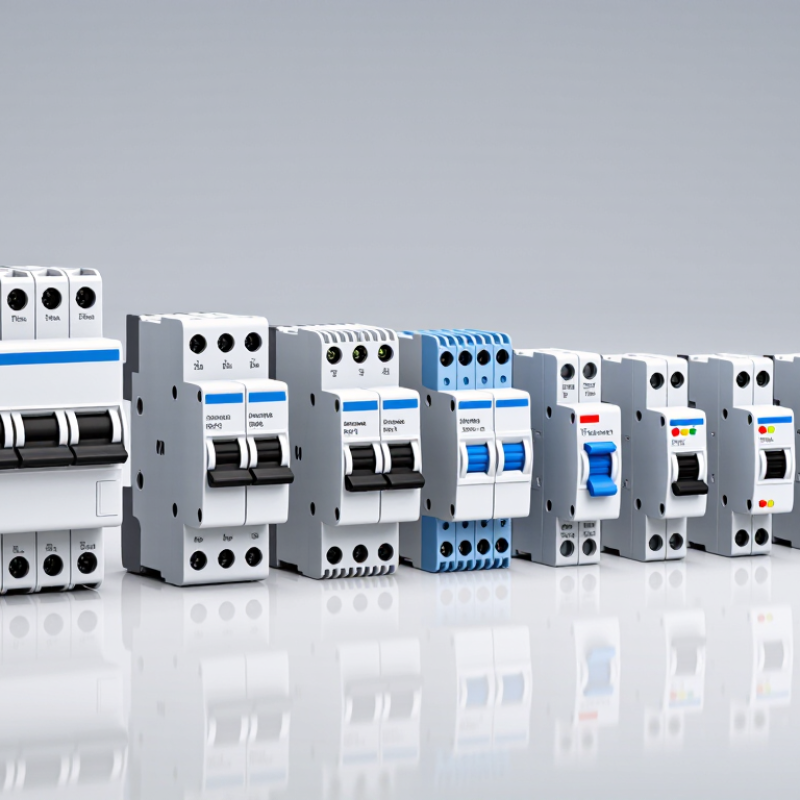
Top 10 Three Voltage Protectors for Global Buyers?

What Is a Three-Voltage Protector?

In this context, a three-voltage protector usually means a device for monitoring a three-phase electrical supply. It checks voltage across all three phases. Depending on its design, it may also detect phase loss, imbalance, or incorrect phase sequence. If readings exceed its set limits, it can trigger a contactor or disconnect the load. This helps reduce risk to motors, pumps, and compressors exposed to abnormal voltage. It does not stabilize voltage or replace a circuit breaker or surge protective device.

The name can be confusing: features differ between models, and not every unit detects every fault. Buyers should check the permitted voltage range, current rating, trip delay, and reset method against the equipment’s specifications. For example, a pump motor may need a different response time from a sensitive control panel. Have a qualified electrician confirm compatibility and installation requirements.

Tips: Verify the supply voltage and frequency before choosing a unit. Check its wiring diagram, too. Small details matter. A protector with unsuitable settings may trip repeatedly—or fail to respond when needed.

How Does a Three-Voltage Protector Detect Electrical Faults?

A three-voltage protector monitors the three incoming phase voltages, often displayed as three changing numbers on its front panel. It samples each phase and compares measured voltage with preset high and low limits. If one phase stays outside its limits, the device can open a relay or signal a contactor to disconnect the load. Many models also detect phase loss, incorrect phase sequence, or voltage imbalance, but features vary. Detection is not diagnosis. A loose terminal can cause symptoms that resemble a supply fault.

IEEE Std 1159-2019 classifies a voltage sag as a drop to 0.1–0.9 per unit lasting from half a cycle to one minute. That range shows why a protector’s response delay matters: an instant trip may interrupt equipment during a brief dip, while a long delay may leave sensitive loads exposed. The device measures voltage, not the full condition of a motor or cable. Real installations can be messier than the settings suggest.

Tips

Confirm the protector’s rated voltage and phase configuration before installation. Check its trip history after an event, then verify the supply with a suitable meter. Don’t assume every model detects the same faults.

Which Specifications Matter to Global Buyers?

For global buyers, a three-phase voltage protector should match the supply system, not just the product label. Confirm nominal voltage, frequency, phase configuration, and whether the unit monitors neutral loss or phase sequence. Its adjustable overvoltage and undervoltage limits should suit the connected equipment. EN 50160:2022 states that, under normal conditions, 95% of weekly 10-minute voltage averages on public low-voltage networks should remain within ±10% of nominal voltage. That is a useful reference, not a universal setting. Local supply conditions and equipment tolerances still matter. Check the operating range carefully.

Response time and restart delay deserve equal attention. IEEE Std 1159-2019 classifies a voltage sag as 0.1–0.9 per unit, lasting from half a cycle to one minute. A protector’s trip and recovery behavior should therefore be checked against the load, especially for motors, compressors, and control panels. For surge protection, review the test waveform and discharge-current rating against IEC 61000-4-5; a large kA figure alone does not describe performance. Also verify continuous current, enclosure rating, temperature range, wiring method, and applicable conformity documentation. Ask for test records. Honestly, a single specification never tells enough. Installation conditions can change the result, and that deserves a second look.

How Do Regional Electrical Standards Affect Product Selection?

Regional electrical standards can change which voltage protector is safe and useful. A unit designed for a 120 V, 60 Hz supply may not suit a 230 V, 50 Hz installation. Some regions also use different three-phase voltages and wiring arrangements. Check the protector’s rated voltage, frequency, phase configuration, and neutral requirements against the site—not just the product label. Small details matter.

A common oversight is treating overvoltage protection as surge protection. A voltage relay can disconnect equipment during sustained high or low voltage, but it may not replace a dedicated surge protective device. Confirm its trip thresholds and reconnection delay suit the equipment and local supply conditions. For example, a compressor may need a longer restart delay than a simple lighting circuit. Local certification and installation rules also matter; acceptance in one market does not guarantee acceptance elsewhere. In practice, comparing regional specifications takes more work than comparing price. I would still verify the wiring diagram with a qualified local installer, especially where neutral connections differ. A neat product sheet cannot reveal every site-specific issue.

Top 10 Three-Voltage Protectors: Types and Applications

In three-phase systems, “three-voltage protection” can refer to several device types. A voltage-monitoring relay detects overvoltage, undervoltage, phase loss, incorrect phase sequence, or imbalance. Surge protective devices address brief voltage spikes, while voltage stabilizers manage longer fluctuations. They are not interchangeable. A relay may disconnect a pump when one phase drops; a surge device can help protect control electronics from transient spikes. Typical applications include compressors, HVAC equipment, elevators, workshops, and commercial panels. Small details matter.

Selection should match the supply voltage, frequency, load, and equipment sensitivity. Check adjustable trip thresholds, response delay, reset behavior, and compatibility with the contactor or breaker. Uptime Institute’s 2024 Annual Outage Analysis reported that 54% of surveyed operators said their latest significant outage cost more than $100,000. The survey focused on data centers, so it should not be treated as a factory-wide estimate; it does show why interruption risks deserve attention. One weakness in many buying guides is treating a protector as a cure-all. Poor wiring, loose terminals, or an incorrectly sized device can still leave equipment exposed. Installation and settings should be reviewed by a qualified electrical professional.

Top 10 Three-Voltage Protectors: Types and Applications

No. Protector Type What It Monitors or Protects Against Typical Three-Phase Applications Key Selection Consideration
1 Three-Phase Overvoltage Relay Detects voltage above an adjustable threshold and can signal a trip or disconnect a load through a switching device. Industrial machinery, pumps, HVAC equipment, and control panels. Match the relay to the system’s nominal voltage and frequency; check its adjustable range, trip delay, and output-contact rating.
2 Three-Phase Undervoltage Relay Detects voltage below an adjustable threshold, which can help prevent equipment from operating under insufficient supply voltage. Motors, compressors, refrigeration systems, and production equipment. Confirm the undervoltage setting and restart behavior are suitable for the protected load.
3 Phase-Loss Protection Relay Identifies a missing phase or a severe phase-voltage fault and provides a trip signal. Three-phase motors, pumps, fans, and other loads that require all phases. Check how the relay detects phase loss and whether it is compatible with the system wiring and load conditions.
4 Phase-Sequence Protection Relay Checks phase order and can prevent operation when the sequence is incorrect, which may cause a motor to rotate in the wrong direction. New motor installations, mobile machinery, compressors, and pump systems. Verify the required phase sequence and the relay’s response to reversed phases.
5 Phase-Imbalance Protection Relay Measures differences among the three phase voltages and trips or alarms when imbalance exceeds its configured limit. Motors, transformers, commercial HVAC, and industrial distribution panels. Review the imbalance measurement method, adjustable threshold, and delay; acceptable limits depend on the equipment and applicable standards.
6 Combined Three-Phase Voltage Monitoring Relay Combines functions such as overvoltage, undervoltage, phase loss, phase sequence, and phase imbalance in one device. Control cabinets, building services, industrial machinery, and generator-fed systems. Compare the available protection functions, voltage range, wiring options, and indication or alarm features.
7 Three-Phase Voltage Relay with Adjustable Time Delay Monitors voltage faults and applies a configurable delay before switching, helping distinguish persistent faults from brief disturbances. Loads that need controlled shutdown or delayed restart, including pumps and HVAC equipment. Choose trip and restart delays based on the equipment manufacturer’s requirements and the expected supply conditions.
8 Motor Protection Relay with Voltage Monitoring Combines voltage-related monitoring with motor protection functions; available functions vary by device and may include current-based protection. Industrial motors, conveyors, compressors, and process equipment. Check the full protection-function list, motor current range, sensor requirements, and coordination with the motor starter.
9 Three-Phase Voltage Protector with Contactor or Breaker Control Uses a monitoring circuit to control a contactor or compatible switching device when voltage faults are detected. Distribution boards and equipment circuits where automatic disconnection and restoration are required. Confirm switching-device compatibility, load current capacity, short-circuit coordination, and automatic-reconnection settings.
10 Three-Phase Surge Protective Device (SPD) Limits transient overvoltages, such as voltage surges caused by switching events or lightning-related disturbances; it is not a substitute for sustained overvoltage monitoring. Service entrances, distribution panels, industrial installations, and sensitive equipment circuits. Select the correct SPD type, system configuration, maximum continuous operating voltage, discharge rating, and installation location.

“Three-phase” refers to the electrical system being monitored. Common nominal systems include 208Y/120 V, 380/400/415 V, 480Y/277 V, and 600Y/347 V, but availability and permitted tolerances vary by region and installation. Always verify the system configuration, applicable local standards, and the device manufacturer’s specifications before selection.

FAQS

What does a three-phase voltage protector monitor?

It samples the voltage on each incoming phase and compares readings with preset limits. Some models also detect phase loss, incorrect phase sequence, or imbalance.

What happens when voltage moves outside the set limits?

The protector may open a relay or signal a contactor to disconnect the load. A trip can protect equipment, but it may also interrupt operation during a brief voltage dip.

Can the protector identify the exact cause of a fault?

No. It measures voltage, not the full condition of a motor, cable, or connection. A loose terminal can create symptoms that resemble a supply problem.

Which details should buyers check before choosing a unit?

Match its rated voltage, frequency, phase configuration, and neutral requirements to the installation. Also check current rating, temperature range, enclosure rating, wiring method, and local certification.

Why do trip delay and restart delay matter?

A short trip delay may respond to a brief dip. A longer delay may leave sensitive equipment exposed. Compressors often need more restart time than lighting circuits.

Does overvoltage protection replace surge protection?

Not necessarily. A voltage relay can respond to sustained high or low voltage, but it may not handle short surge events. Check the surge test details and discharge rating separately.

Can a protector made for one region work in another?

Not always. A unit rated for 120 volts and 60 hertz may not suit a 230-volt, 50-hertz supply. Wiring arrangements can differ, too.

What should someone do after the protector trips?

Review its trip history and check the supply with a suitable meter. Have a qualified local installer verify the wiring diagram. I might be missing a site-specific detail here.

Conclusion

A Three Voltage Protector monitors three-phase electrical systems to help identify abnormal voltage conditions, including overvoltage, undervoltage, phase loss, and phase imbalance. By measuring the supply continuously and comparing readings with preset limits, it can trigger an alarm or disconnect equipment when a fault is detected. Understanding this operating principle helps buyers assess how a protector may support safer, more reliable equipment operation.

For global buyers, important specifications include rated voltage and current, adjustment ranges, response time, mounting style, operating temperature, and compatibility with the intended application. Regional supply voltages, frequency, wiring practices, and applicable product requirements can also influence selection. The top ten options can be considered as product types suited to different needs, such as machinery, pumps, control panels, and other three-phase equipment. Comparing these factors helps match a protector to local conditions and the demands of the installation.


Madeline

Madeline

Madeline is a dedicated marketing professional with a wealth of expertise in our company's core offerings. With a keen understanding of the industry, she brings a unique perspective to her role, consistently delivering high-quality content that highlights the superior aspects of our products. As......