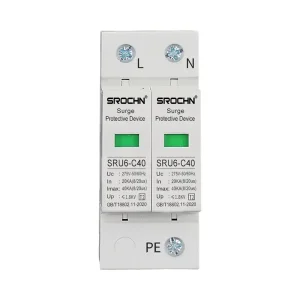
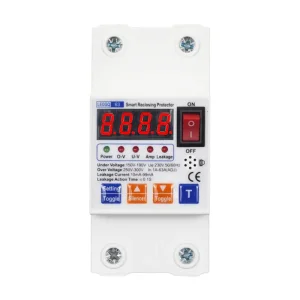
Explore our premium system-protection products designed to coordinate seamlessly with high-amperage switching circuits.
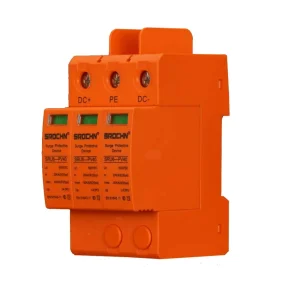
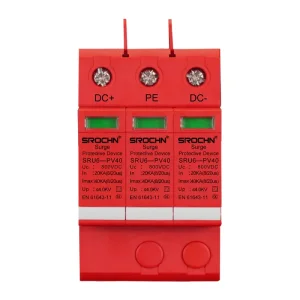
Discover technical requirements, materials science, localized installation frameworks, and strategic alignment parameters.
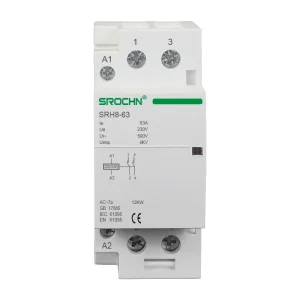
In electrical control systems, contactors rated at 40A act as vital system components. Unlike lighter contactors (9A to 25A) typically reserved for small residential motor loads, or high-capacity devices (100A and above) deployed for heavy heavy-industry duties, the 40A rating operates at the intersection of commercial-grade HVAC systems, industrial motor starters, and grid-tied renewable energy distribution panels.
A 40A electromagnetic contactor functions on the principle of electromagnetic induction. By energizing a copper control coil, a magnetic field is generated to actuate heavy internal silver alloy contacts, completing or interrupting the high-current electrical path. Standard applications require long-term heat resistance, excellent arc suppression capabilities, and high structural integrity to handle constant cycling without material fatigue.
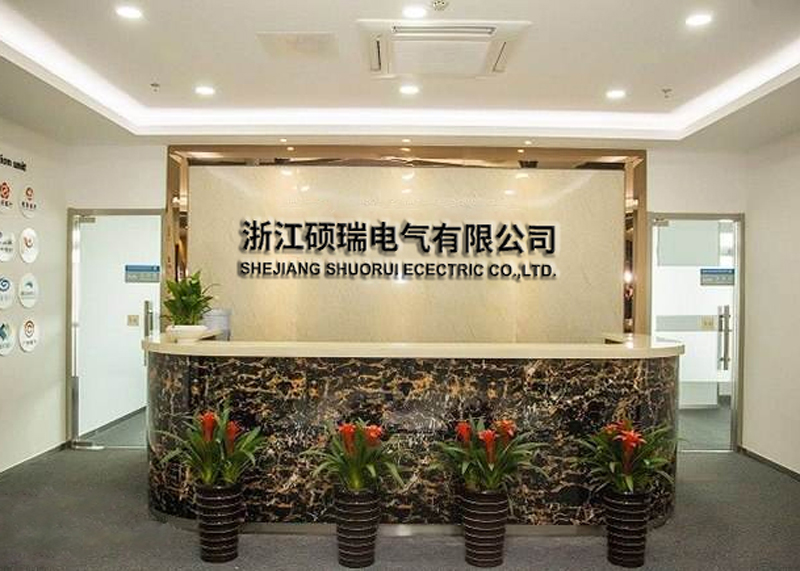
Strategically located in Liushi, Wenzhou, Zhejiang—widely recognized as the "Electrical Capital of China"—Zhejiang Shuorui Electric Co., Ltd. operates at the geographical heart of China's low-voltage electrical industry. This cluster dynamic grants us direct access to high-grade copper drawing facilities, advanced metallurgical plating resources, and precision engineering tooling partners.
Shuorui Electric operates a highly integrated enterprise structure that combines research and development, manufacturing, quality testing, and worldwide distribution. Grounded in our corporate philosophy of "the most cutting-edge technology, the best quality, the most sincere service, and the most favorable price", our engineering division has designed our 40A AC/DC contactor families to stand up to severe power disturbances while offering competitive price-to-performance metrics.
The durability of a 40A contactor is determined by the composition of its contact tips. At Shuorui Electric, we utilize Silver Tin Oxide (AgSnO2) rather than traditional Silver Cadmium Oxide (AgCdO). AgSnO2 provides superior resistance against material transfer and contact welding when subjected to inductive startup currents up to 6 times the rated value (typical of AC-3 motor startup conditions).
| Performance Parameter | Standard AC-3 Application Value | Shuorui Industrial Contactors Series |
|---|---|---|
| Rated Operational Current (Ie) | 40 Amperes (AC-3, up to 440V) | Dual-rated 40A (AC-3) / 60A (AC-1) |
| Coil Voltage Tolerances | -15% to +10% Uc | Wide-band operational coil (85% - 110% Uc) |
| Contact Material Composition | Standard Silver Alloy | Premium Silver Tin Oxide (AgSnO2) - 85% Ag / 15% SnO2 |
| Arc Extinguishing Chamber | Standard Partition Plates | Multi-grid splitter plates with magnetic blowouts |
| Mechanical Operation Cycles | 1,000,000 Cycles | Up to 10,000,000 Cycles (No load) |
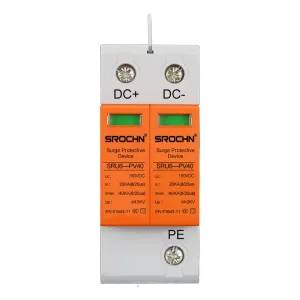
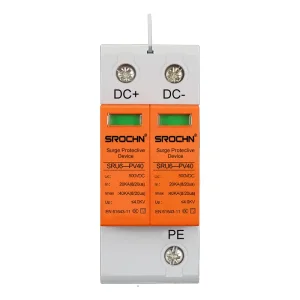
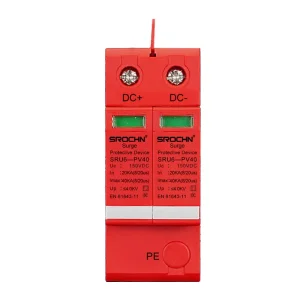
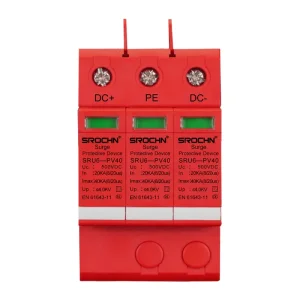
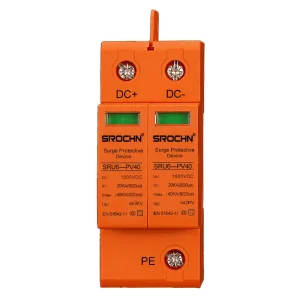
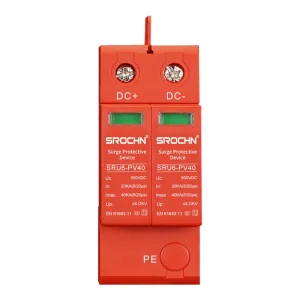
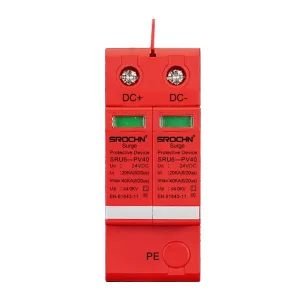
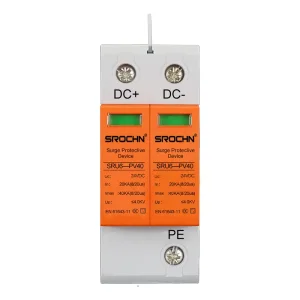
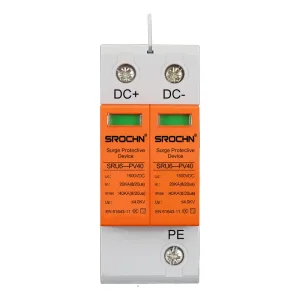
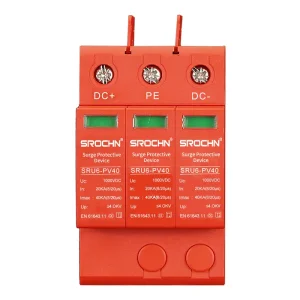
In outdoor and industrial control enclosures, contactors are vulnerable to grid transients and lightning-induced voltage surges. This makes coordinate installation with Surge Protective Devices essential. Industrial systems often pair our 40A contactor lines with high-capacity 500VDC or 1000VDC Type 2 SPDs (featuring 40kA maximum discharge capacities).
When a transient surge enters the distribution panel, the SPD clamps the overvoltage within microseconds to a level safe for the contactor's control coil and auxiliary circuits, preventing insulation breakdown and contact pitting.
Analyzing how 40A contactors perform in distinct global operating environments and next-generation power architectures.
In smart AC EV charging stations (Level 2, 7.4kW to 22kW), 40A contactors serve as the mechanical connection points to engage or terminate the charging current based on command signals from the EVSE controller.
Large commercial heating and air-conditioning compressors demand contactors that can withstand continuous AC-8a and AC-8b switching duties. Our 40A contactors are designed with low-hum coils to operate quietly in commercial office ceilings and residential enclosures.
Agricultural irrigation and municipal water pumps utilize contactors in combination with thermal overload relays. The structural design of the contactor must handle the back-EMF (Electromotive Force) spikes generated during pump shutoff.
Looking toward the future of power management, the design roadmap for low-voltage contactors is focused on electronic coil controllers. Traditional copper wire coils are wound for a specific voltage (e.g., 220VAC or 24VDC), leaving them susceptible to damage during brownouts or grid overvoltages.
At Zhejiang Shuorui Electric Co., Ltd., we are introducing electronic coils powered by microcontrollers. These smart contactors accept any control voltage from 24V to 250V AC/DC, reduce coil energy consumption by up to 70%, and eliminate coil hum. Integrated auxiliary contacts and built-in current sensors allow modern SCADA and cloud-based industrial controllers to monitor contact wear and operating cycles in real time.
Our Wenzhou facilities offer significant supply chain efficiency advantages. By housing mold design, copper alloy stamping, thermoplastic housing injection molding, and automatic coil winding under one roof, we eliminate intermediate logistics delays.
This local manufacturing cluster allows us to adjust production lines rapidly for OEM and ODM requests. If a client in Europe or South America requires custom terminal markings, specific torque rating labels, or specialized auxiliary contact configurations, our R&D team can refine design files and initiate pilot test runs in days rather than weeks.
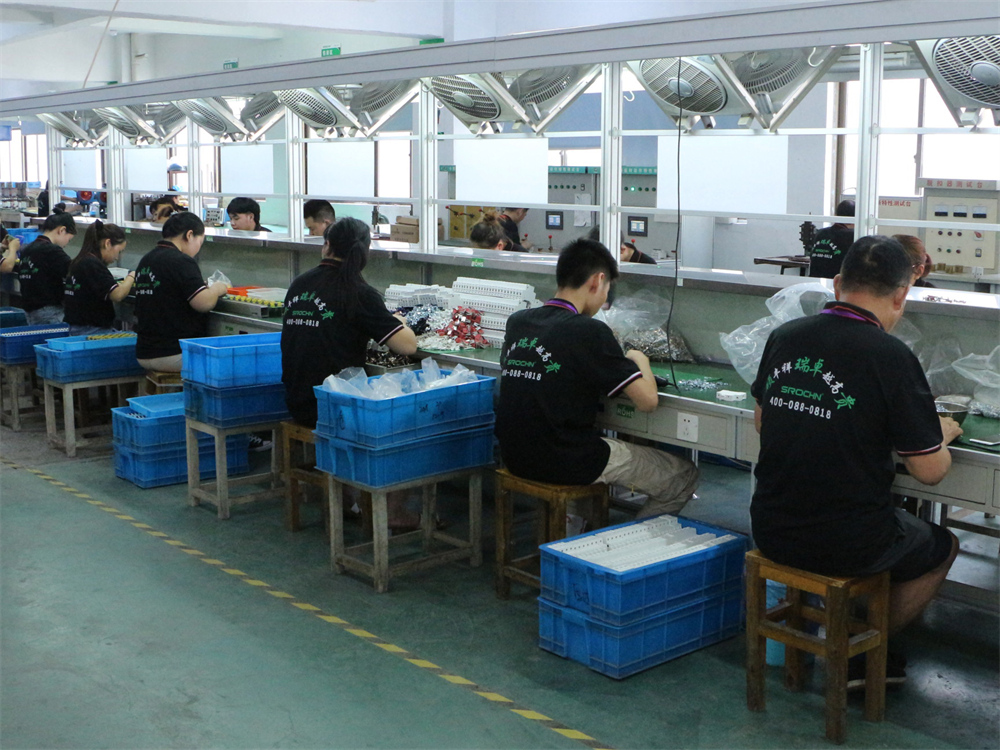
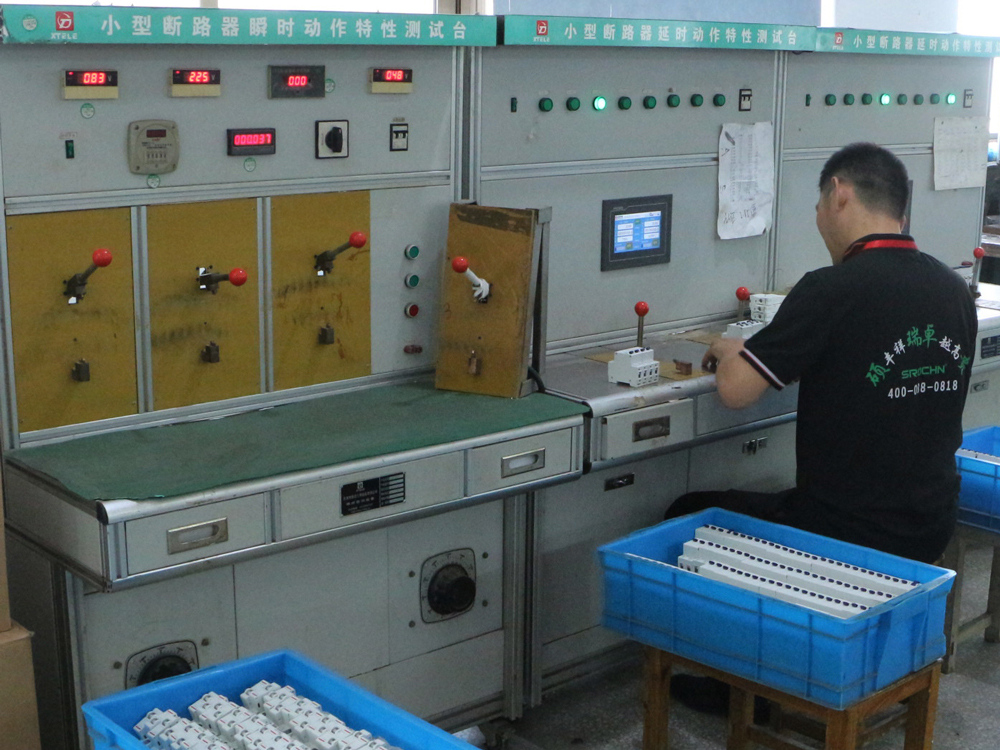
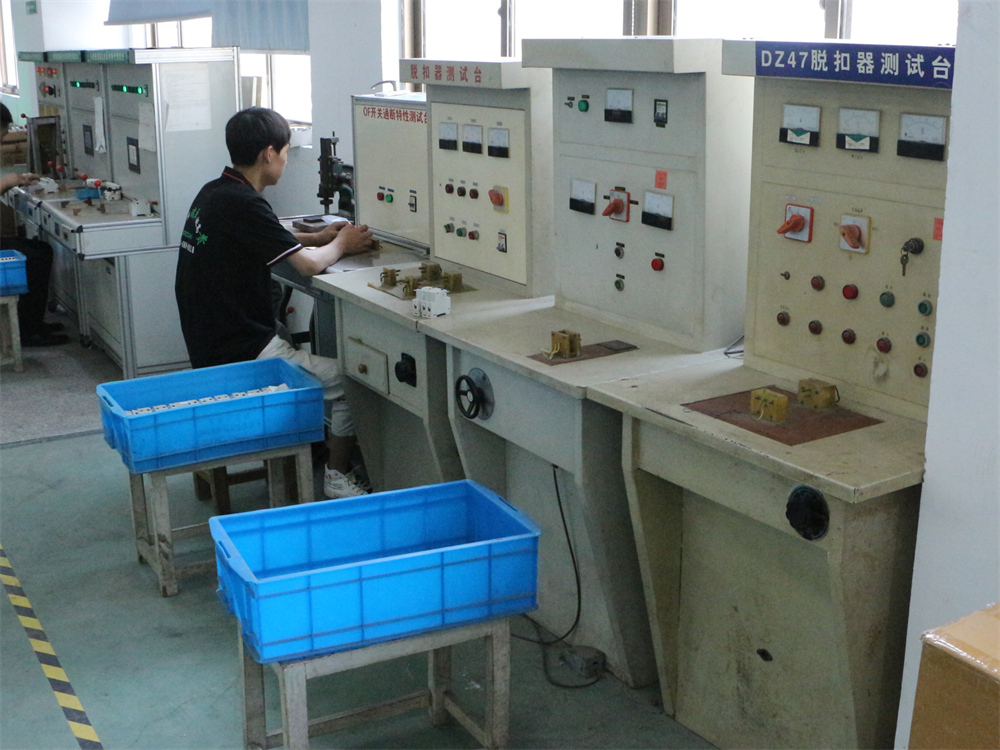
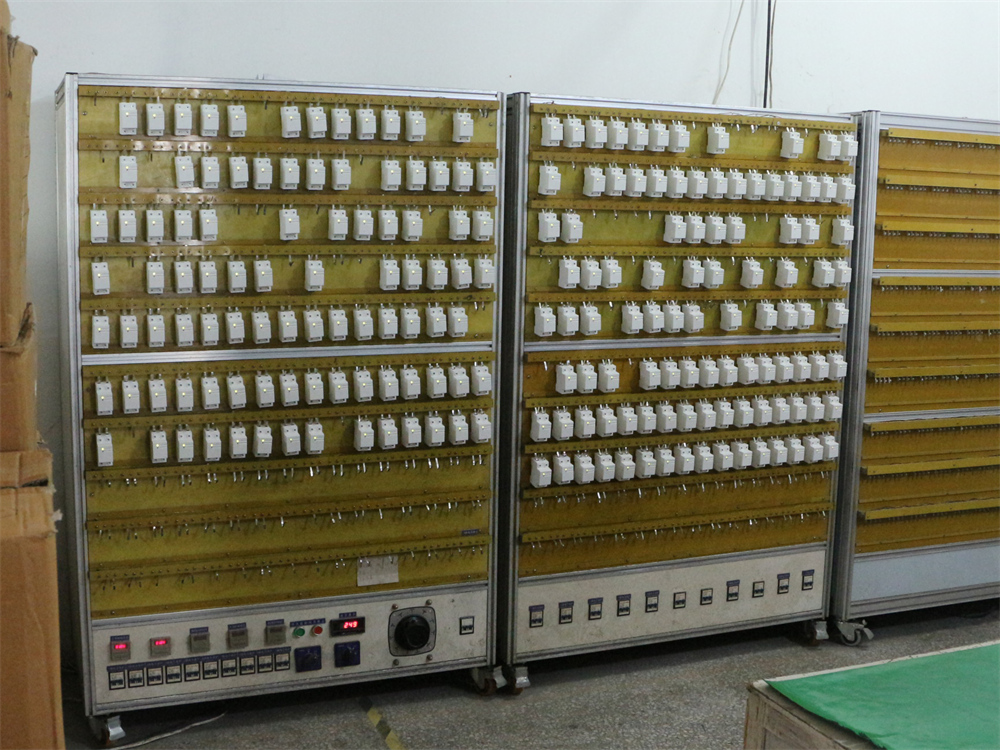
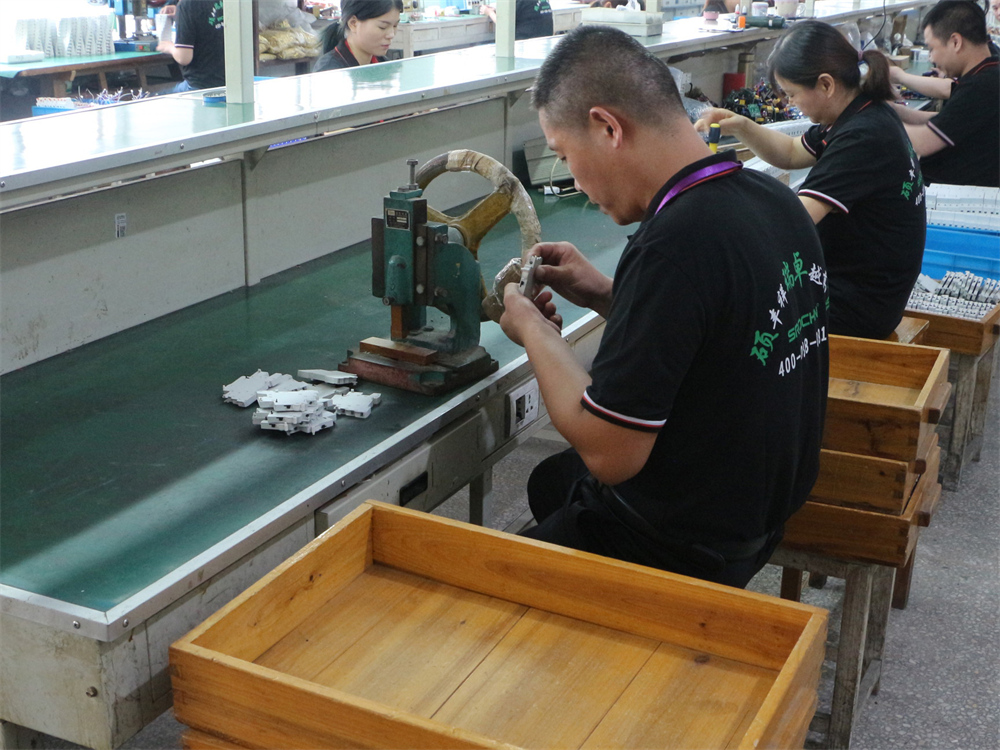
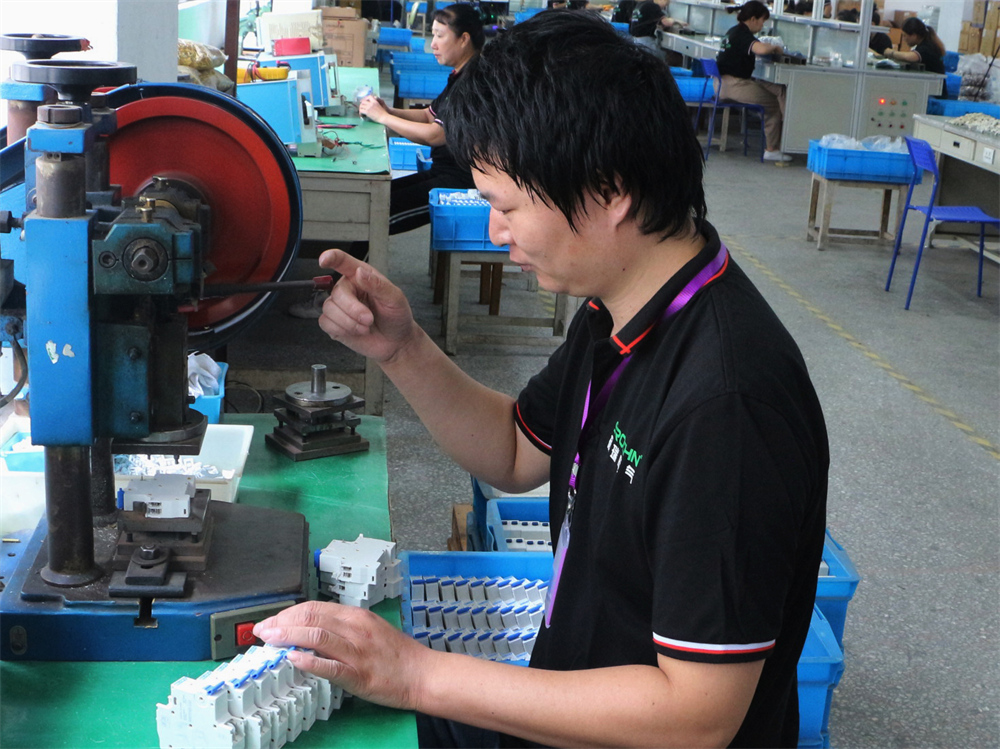
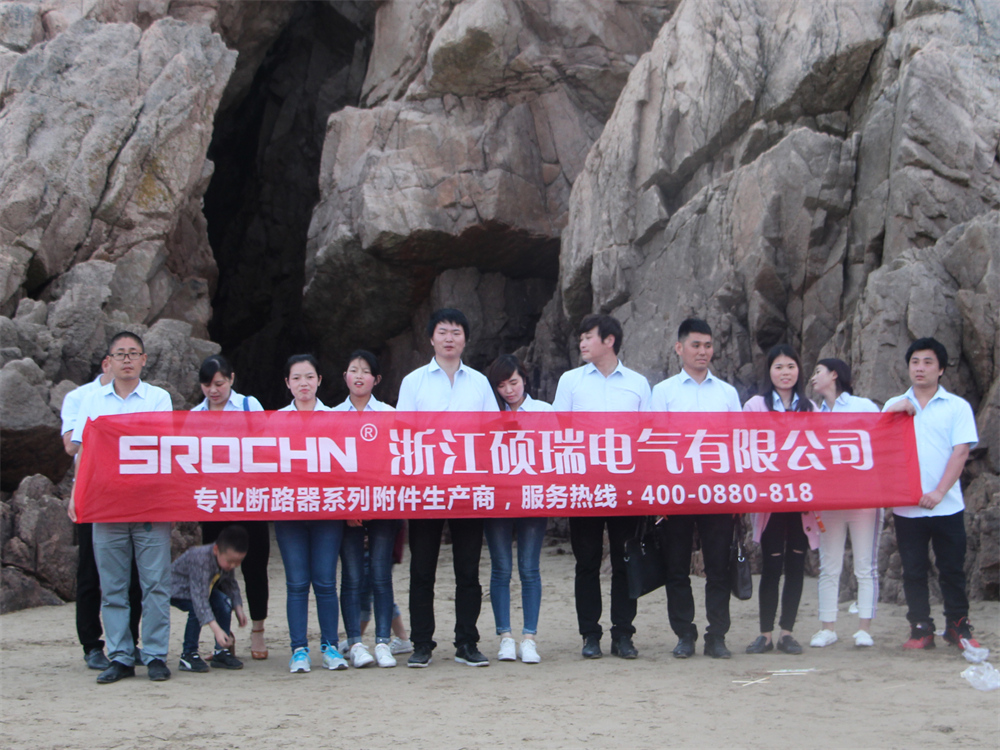
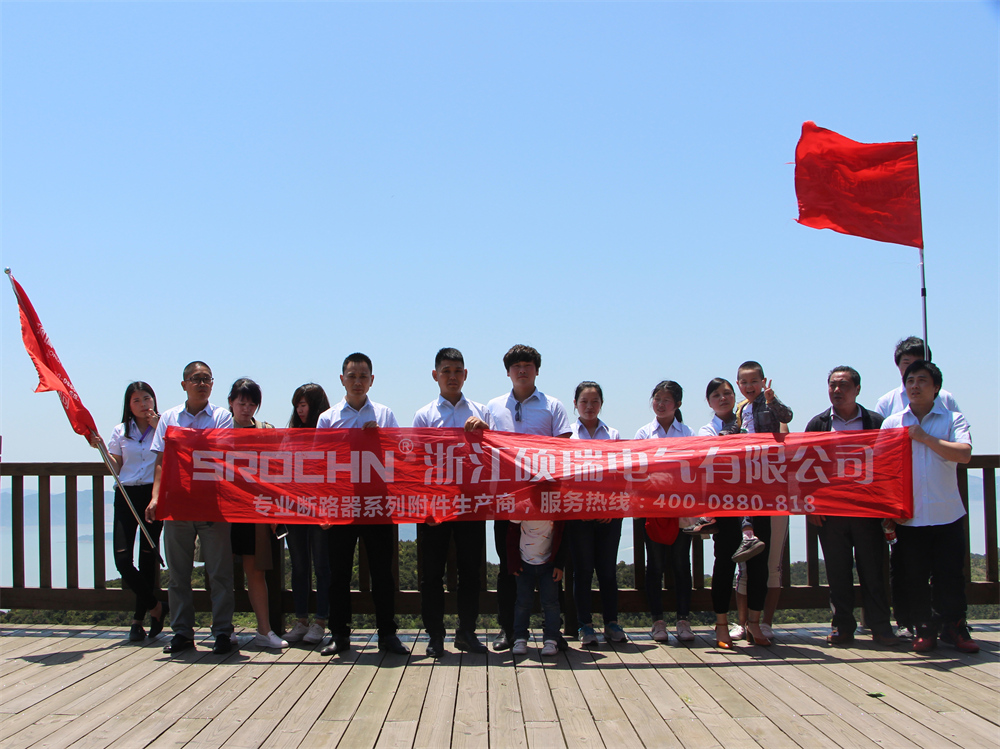
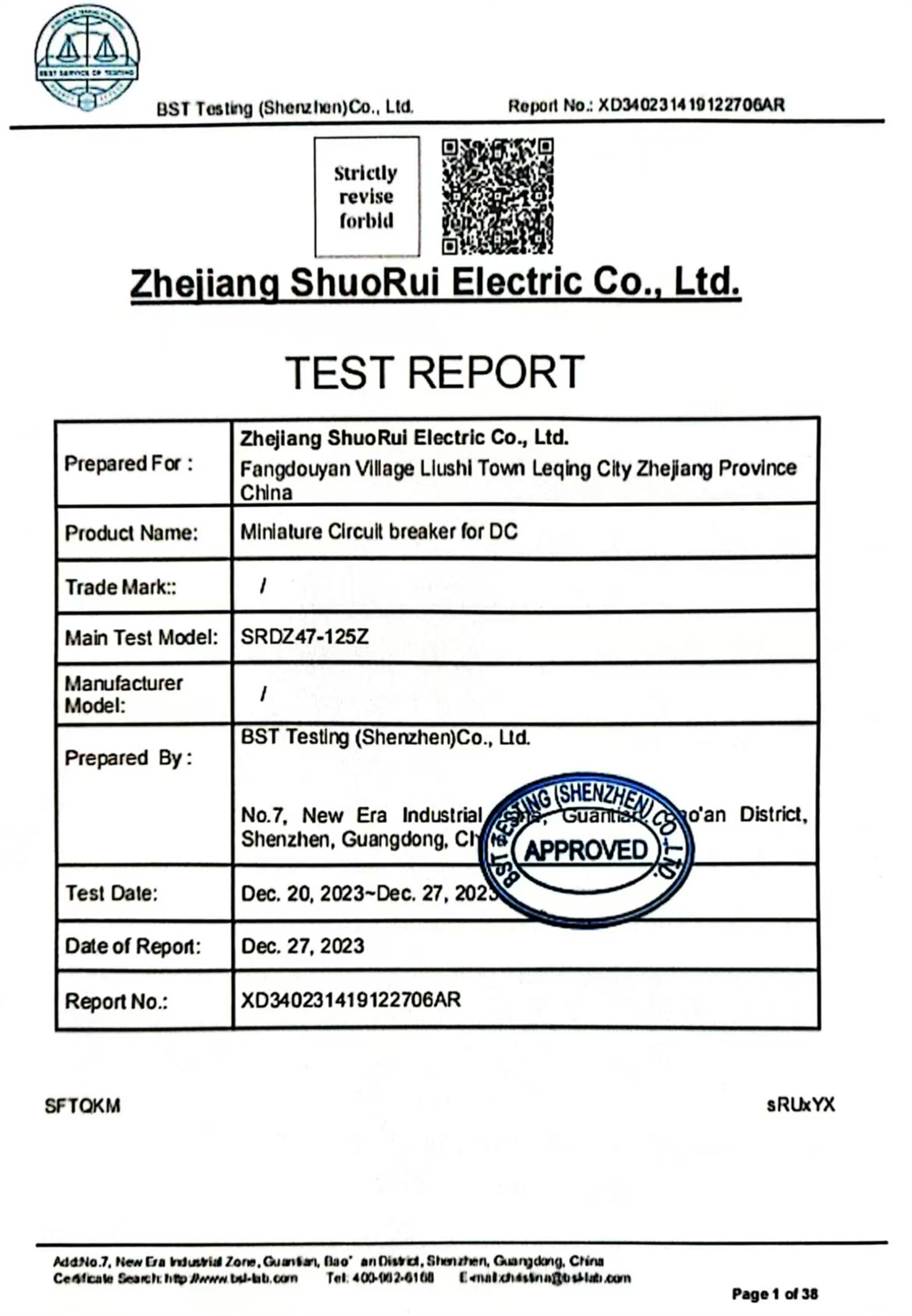
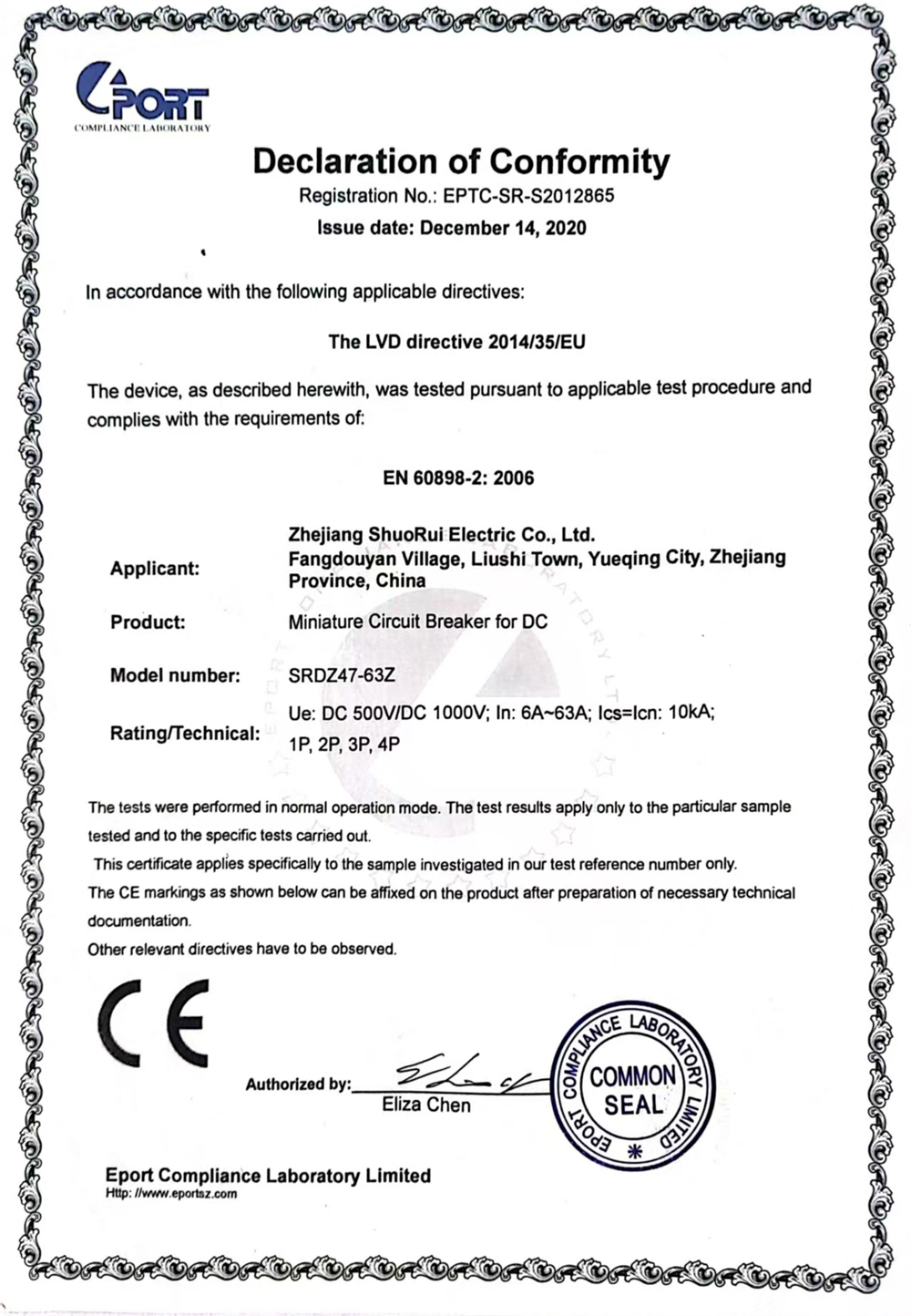
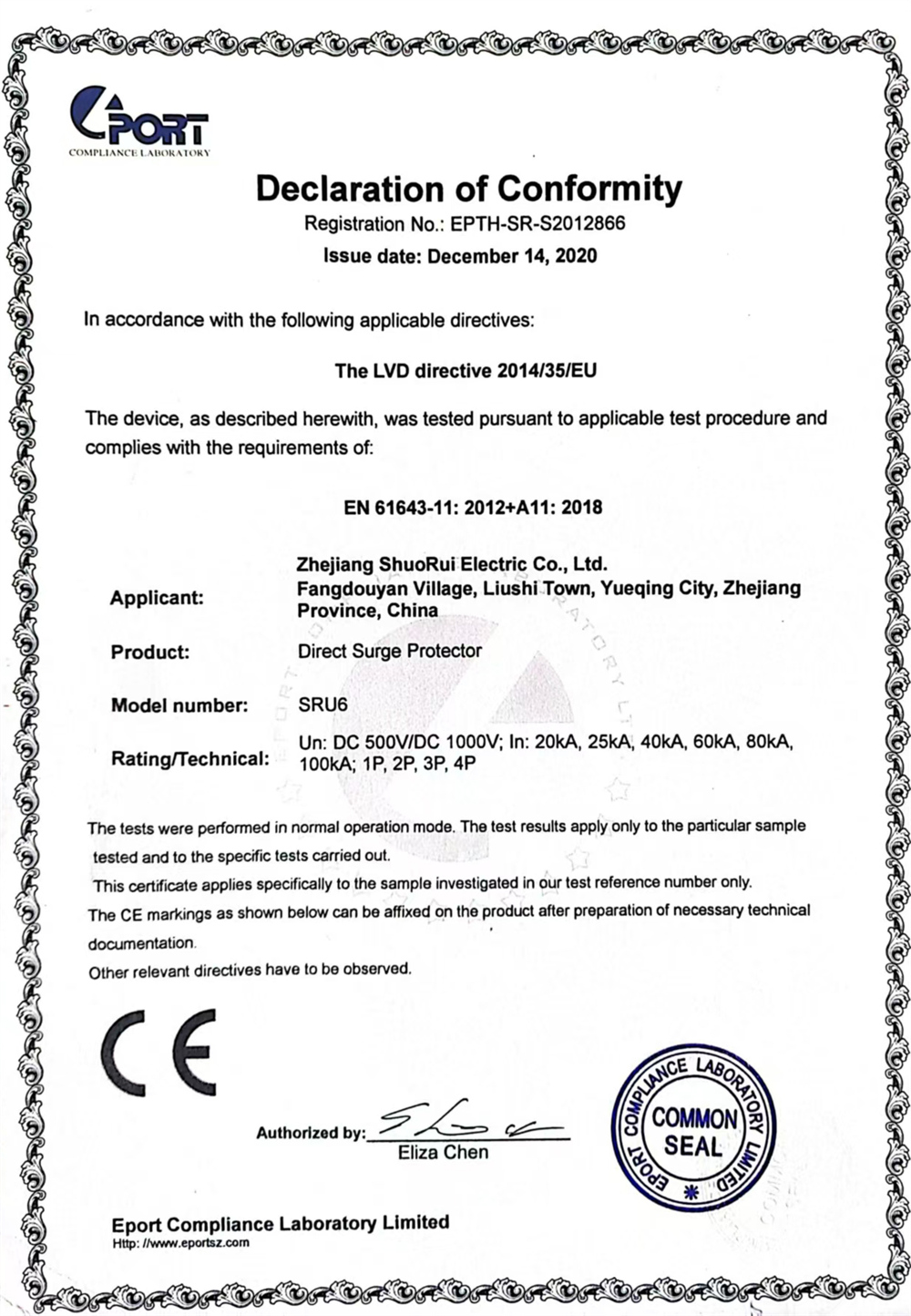
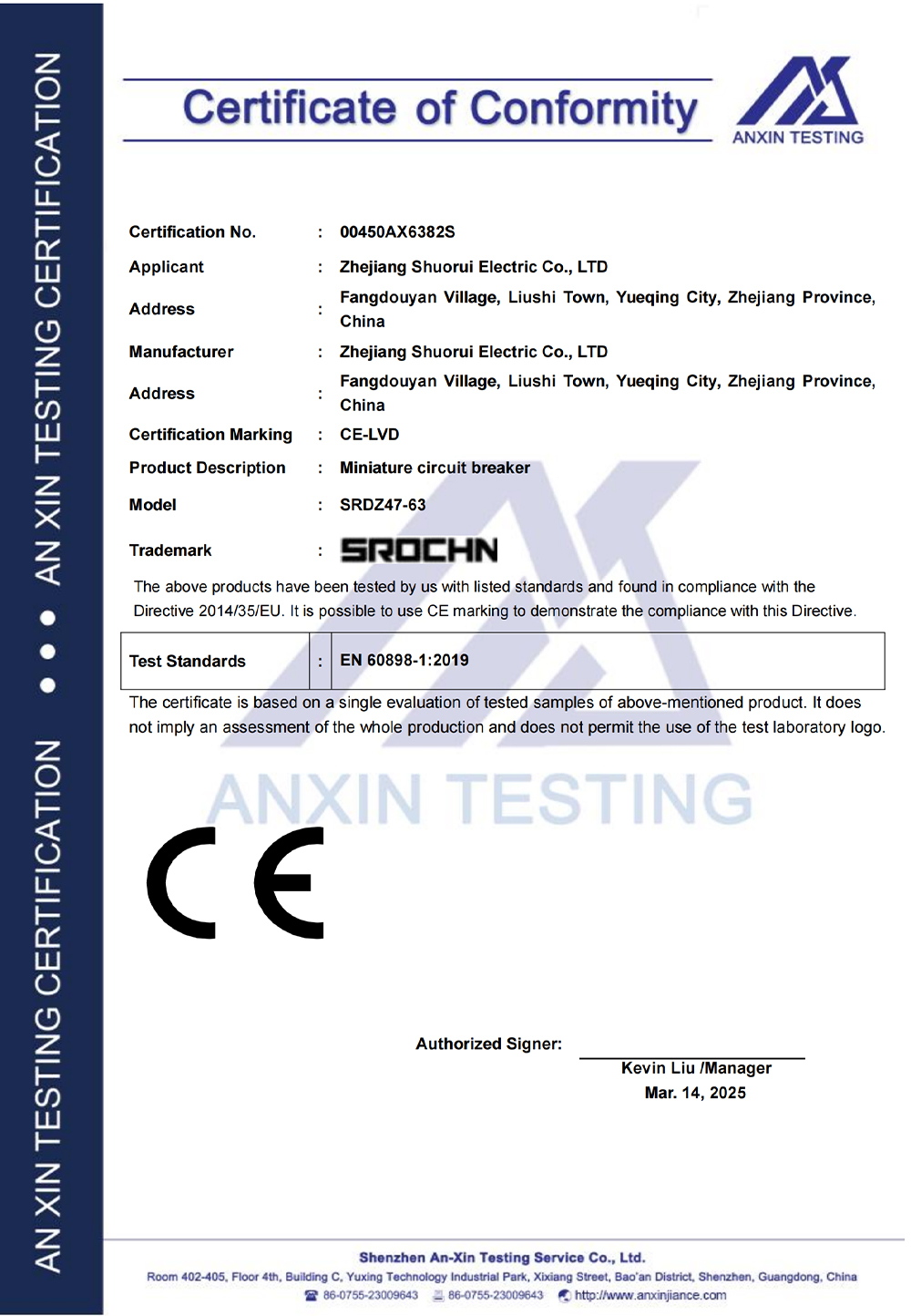
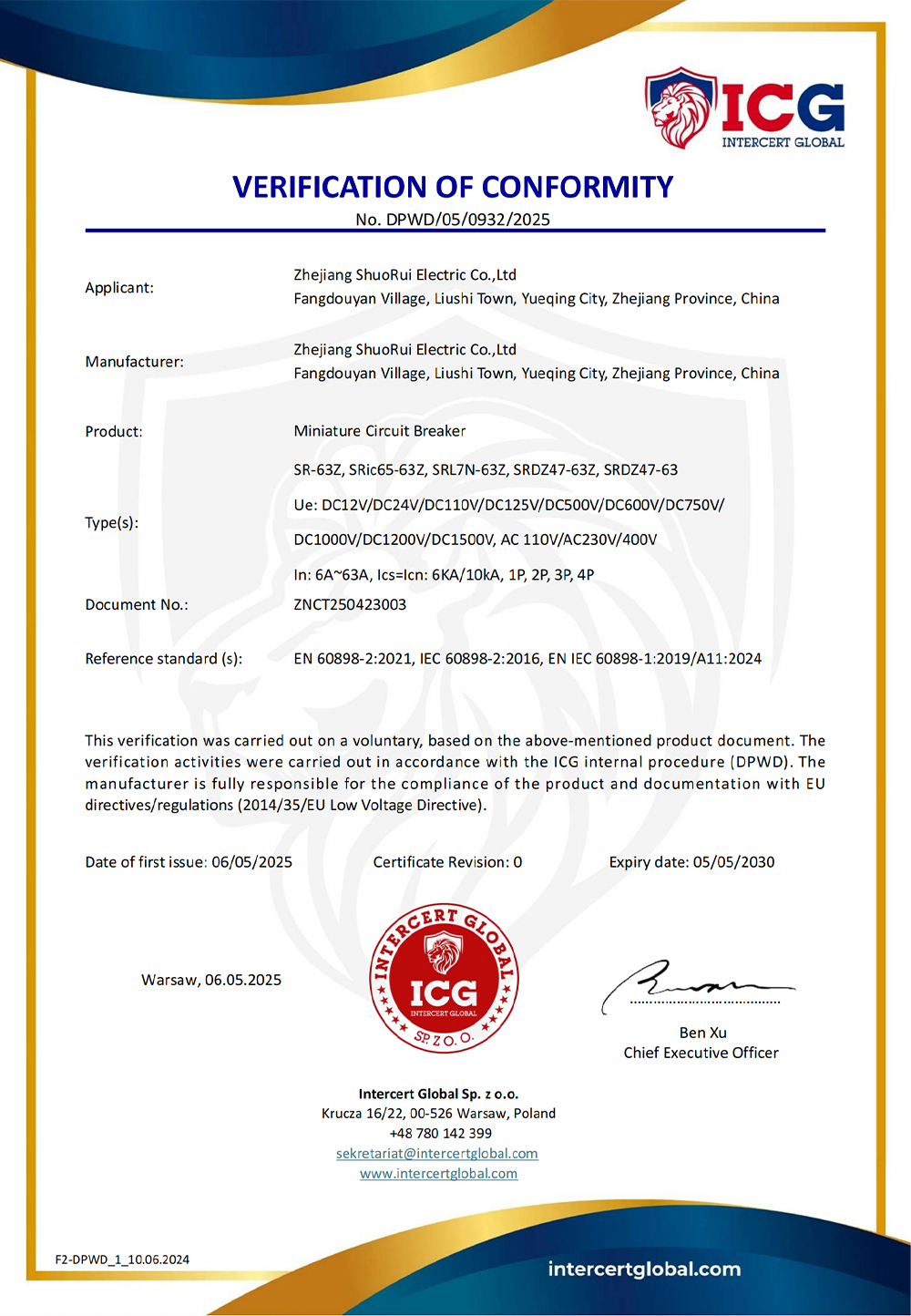
An inside look at our advanced manufacturing lines, quality control testing, and verified industrial credentials.
Direct technical answers from our engineering desk to help you make informed specification choices.
Contact our engineering specialists for customized product selection, sample requests, or specific technical assistance.
Explore our wider range of surge protection, safety fuses, and modular contactor products.
 Srochn