 Srochn




1. Understanding 2-Pole Contactors: Architectural Dynamics & Operating Principles
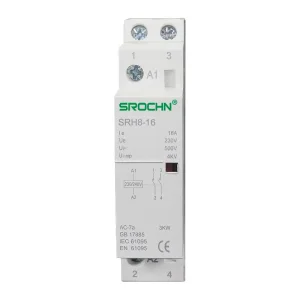
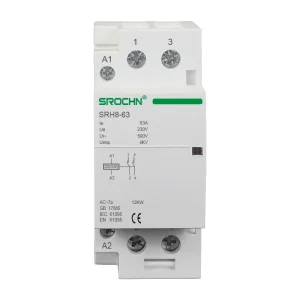
A 2-pole modular contactor is an electromechanical device designed for switching electric currents in AC or DC power circuits. Unlike standard relays, contactors are built to connect directly to high-current load devices. The 2-pole (2P) architecture is particularly crucial in single-phase circuits where both the Line (L) and Neutral (N) lines, or two individual active lines (L1 and L2), must be physically isolated simultaneously.
The core mechanism operates on electromagnetic attraction. When control current flows through the internal copper excitation coil, it generates a magnetic field. This field pulls the moving armature downward, compressing the return spring and forcing the heavy silver-alloy contact tips to touch, closing the power circuit. Once current to the control coil is interrupted, the magnetic force collapses, and the spring swiftly forces the contact tips apart, quenching any electrical arcing within the contact chamber.
Key Technical Specification Highlights
- Coil Voltage Range: 24V AC/DC, 110V-120V AC, 220V-240V AC (50Hz / 60Hz)
- Utilization Category: AC-1 (Non-inductive or slightly inductive loads, resistance furnaces) & AC-7a/AC-7b (Domestic appliance switching)
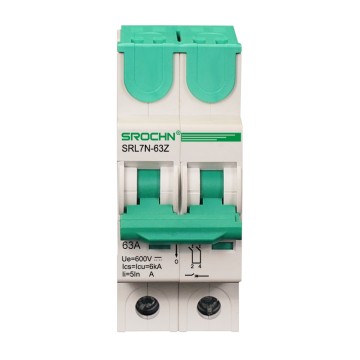
- Current Range: 16A, 20A, 25A, 32A, 40A, to 63A ratings (e.g., 2P63A4 NO configurations)
2. Industrial Application Scenarios of 2-Pole Contactors (Localization & Systems Integration)
Due to their compact design and DIN-rail compatibility, 2-pole modular contactors are key components in modern building automation and power management panels. Here is where they are strategically implemented:
EV Charging Infrastructure
Integrated into Level 2 AC Electric Vehicle supply equipment (EVSE) to handle automatic connection and disconnection of power to the vehicle when safety handshake protocols are confirmed.
Solar Inverter AC Coupling
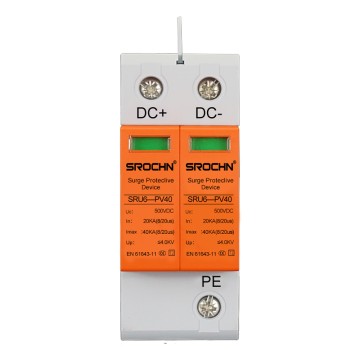
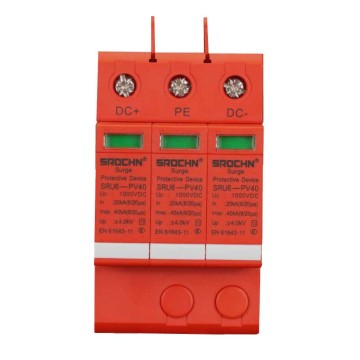
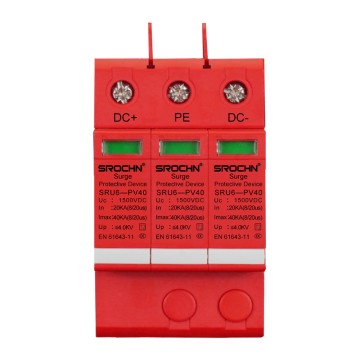
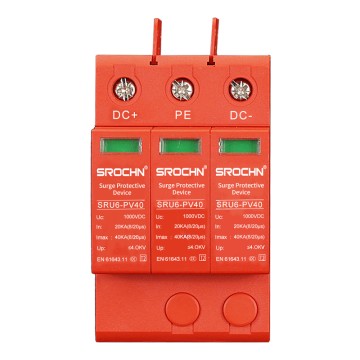
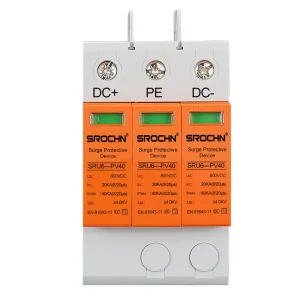
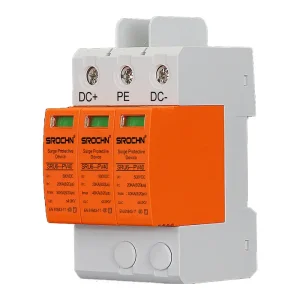
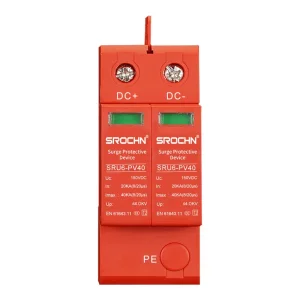
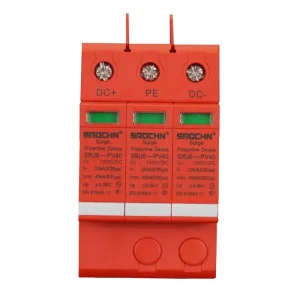
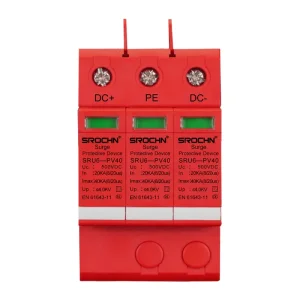
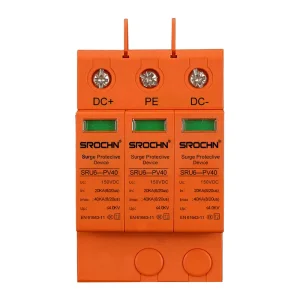
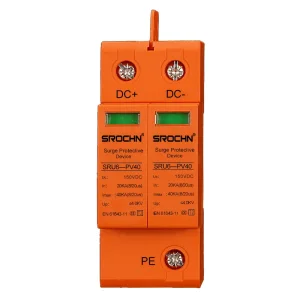
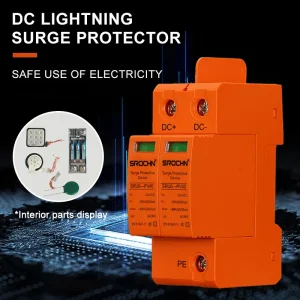
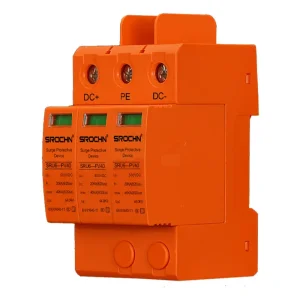
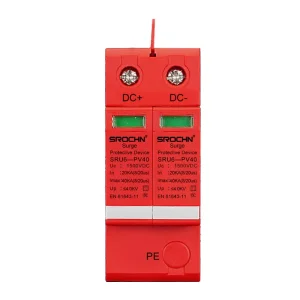
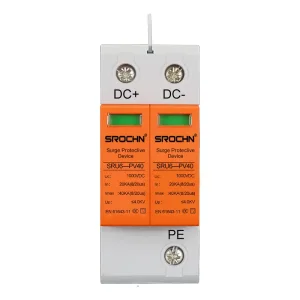
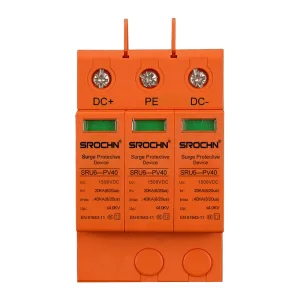
Used alongside 1000VDC/1500VDC surge protective devices (SPD) to isolate the AC output of solar string inverters from the utility grid during faults or maintenance.
HVAC & Heat Pumps
Controls the power supply to single-phase compressors and cooling fan assemblies, protecting high-current motors from contact erosion while switching under load.
3. Technology Roadmap & Future Engineering Outlook
The next generation of contactors focuses on digital compatibility and smart energy networks. At Shuorui Electric, our product development path incorporates three critical dimensions:
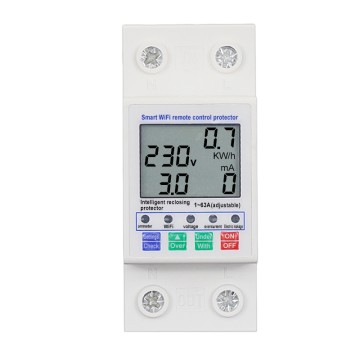
- Smart IoT Integration: Upgrading our contactor structures with integrated auxiliary communications (such as Modbus-RTU, WiFi, and Zigbee controllers) to allow building management software to monitor operation counts, contact wear, and load currents remotely.
- Arc Extinguishing Engineering: Implementing custom magnetic blowout fields and optimized splitter chambers. This helps direct arcs away from the contact contacts, drastically extending the contactor's electrical life span under inductive loads.
- Zero-Noise AC Coils: Using rectifier-equipped electronic coils that prevent standard AC coil "hum", making them perfectly silent when installed in residential distribution panels and library power controls.
4. China Supply Chain Resilience & Lean Factory Advantages
Located in Wenzhou's major industrial cluster, Shuorui Electric leverages a highly integrated local supply chain. This physical proximity to copper mills, silver contact manufacturers, raw plastic compounders, and logistics ports grants us unmatched capabilities:
- Direct Component Sourcing: By removing national transport delay risks, we can secure certified PA66 nylon raw material and customized spring steels within hours.
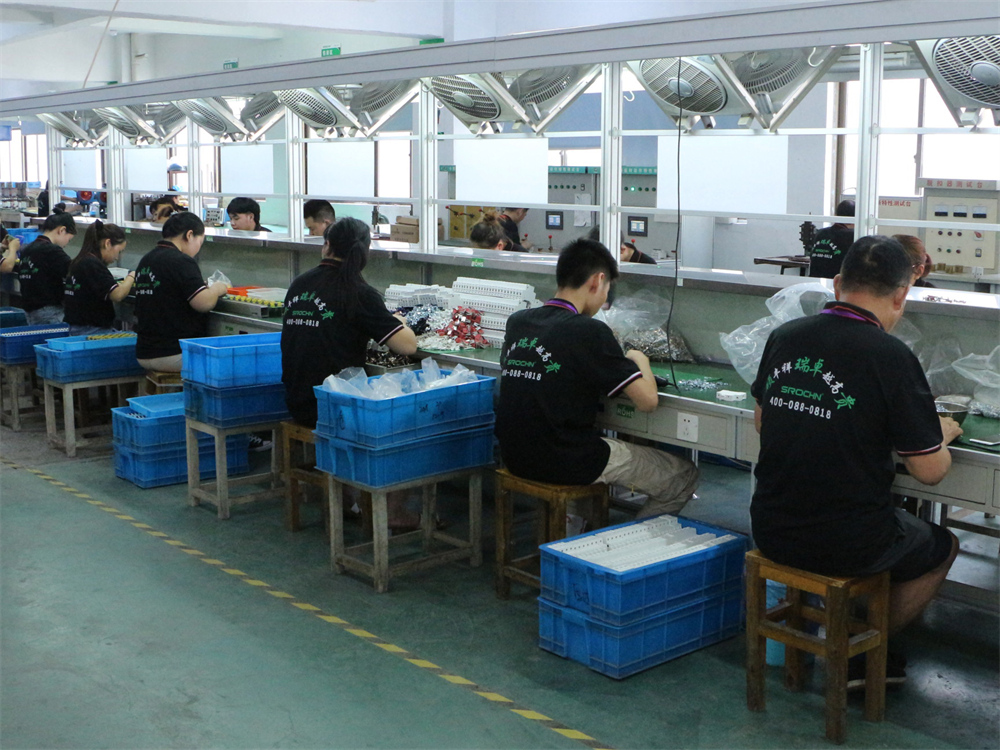
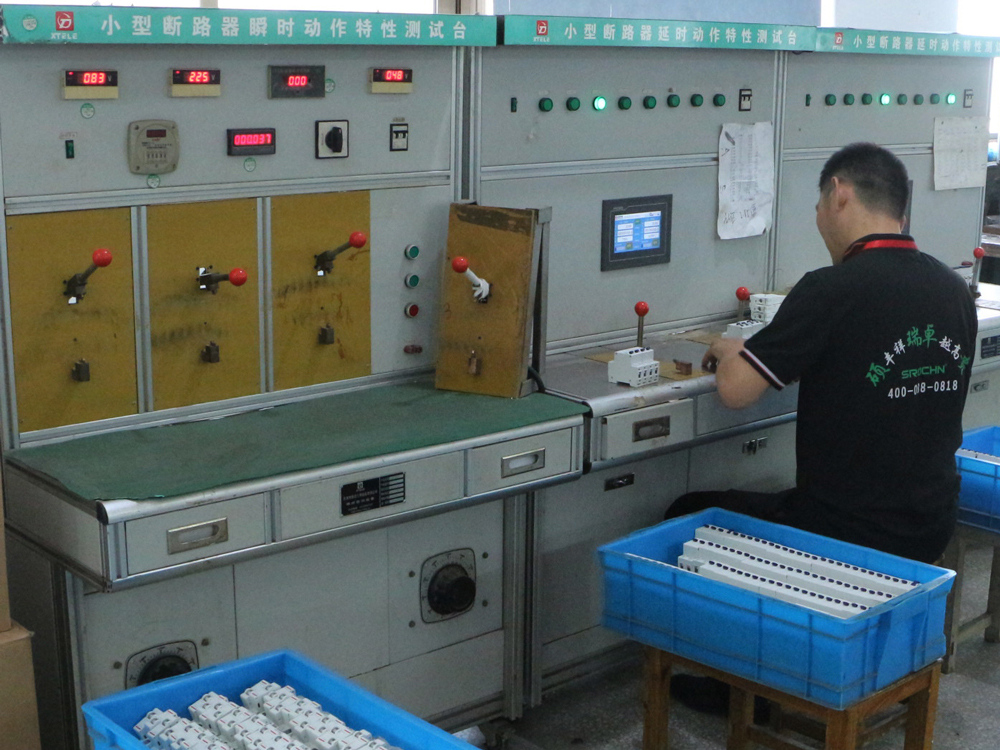
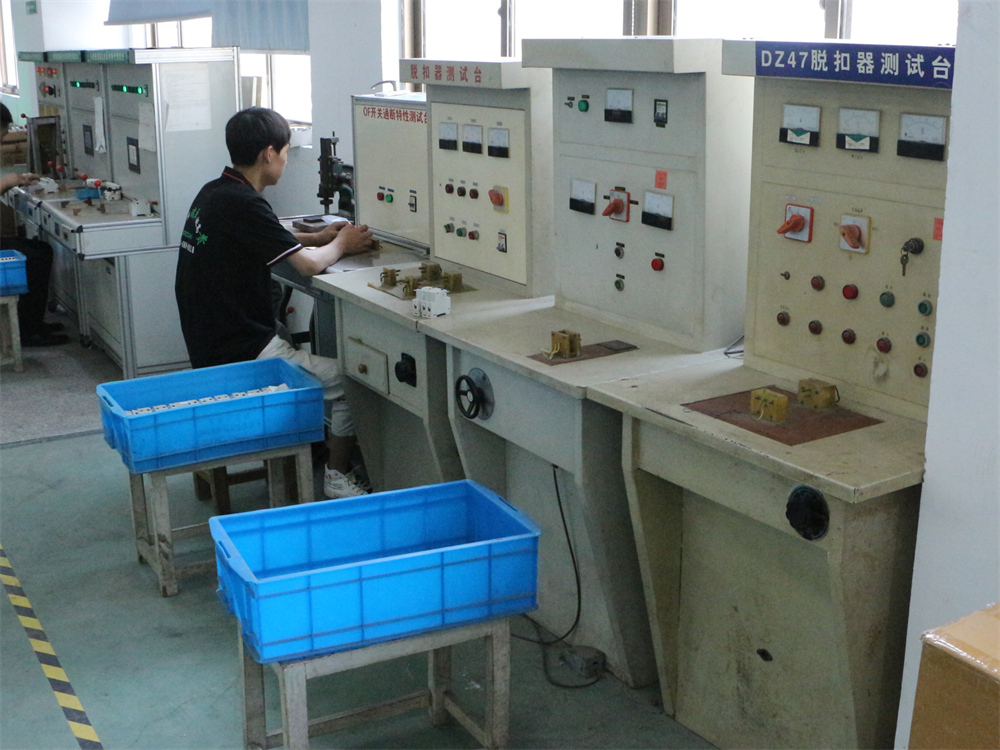
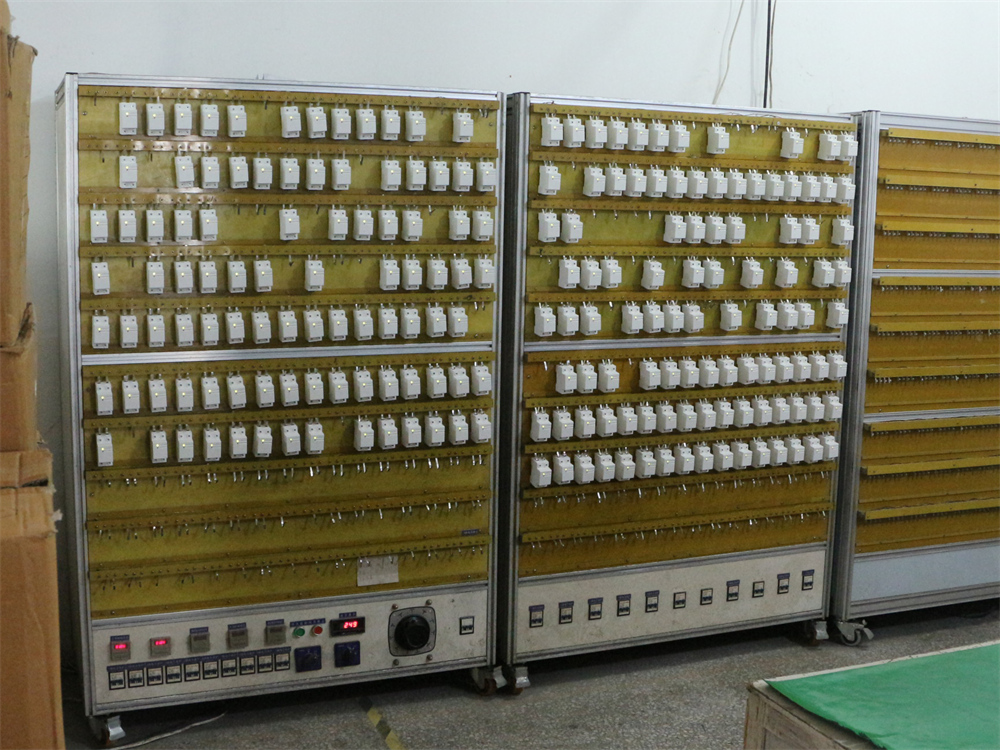
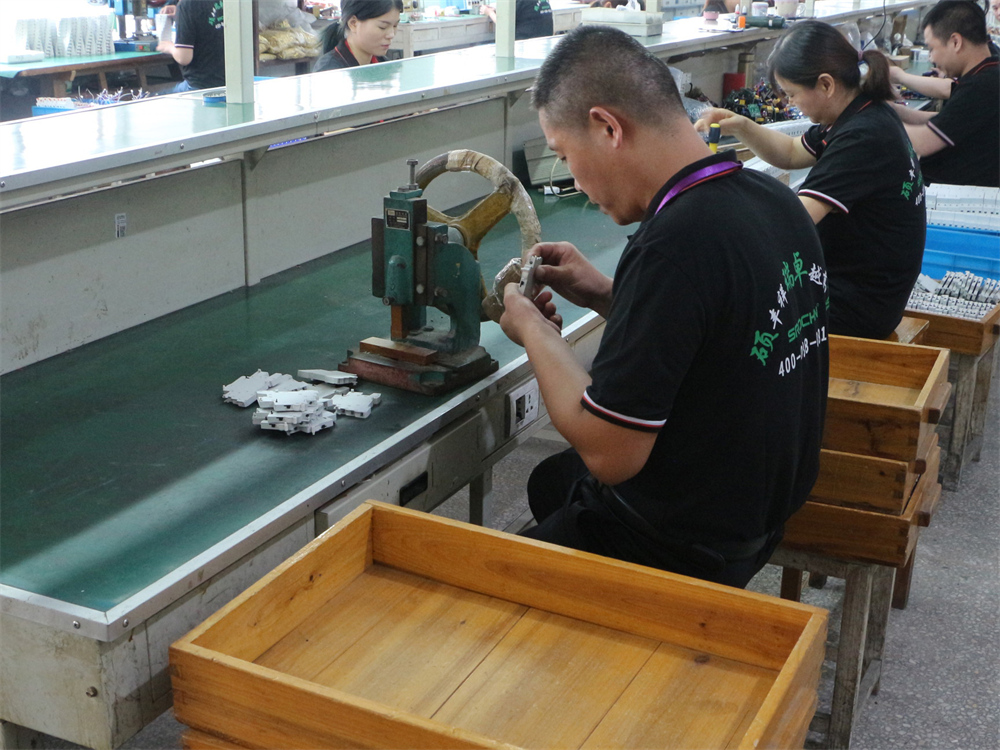
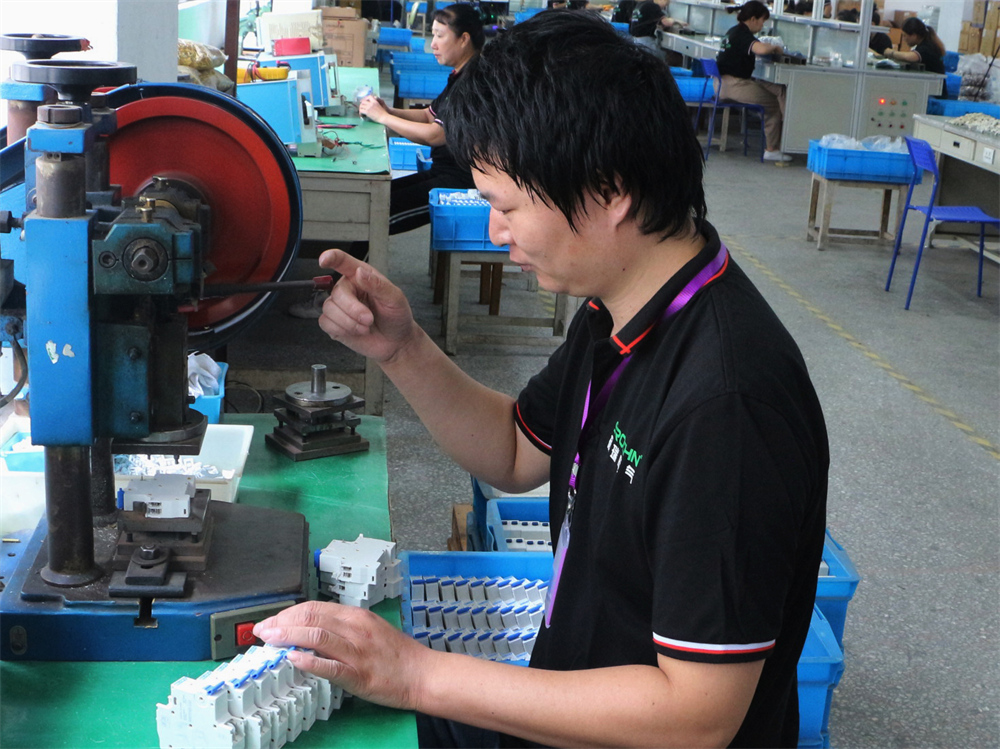
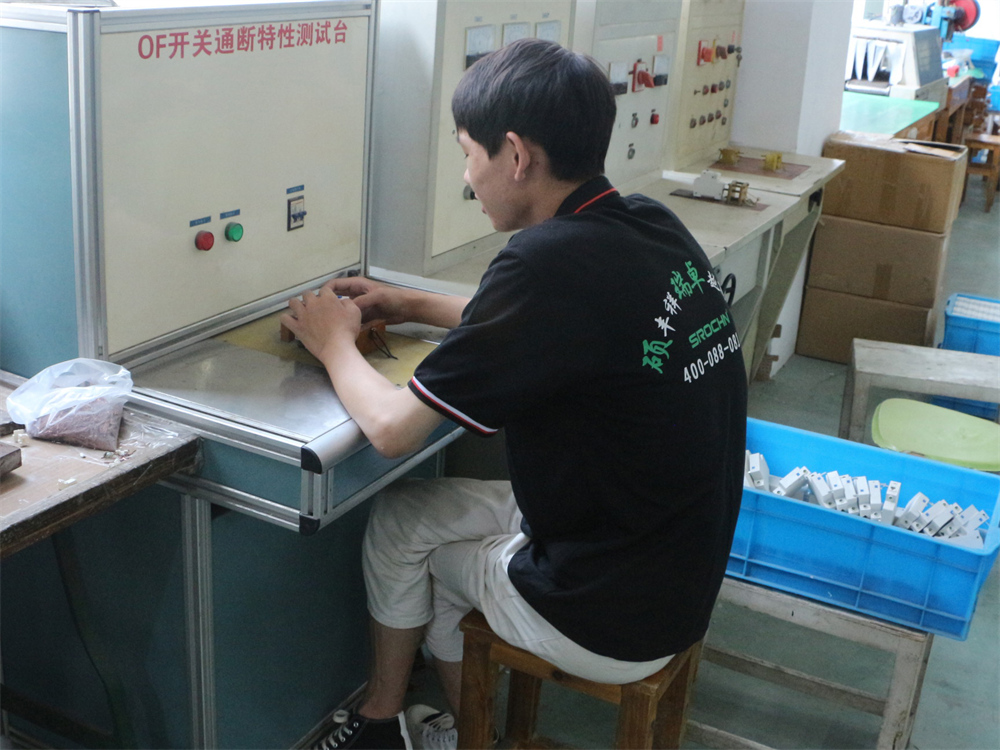
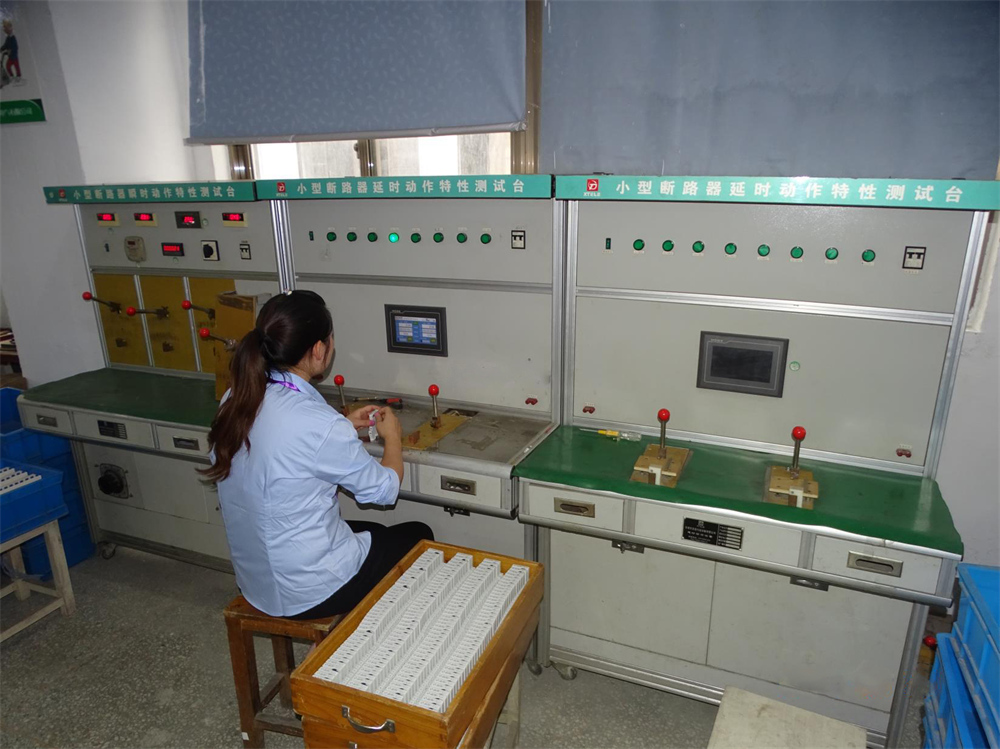
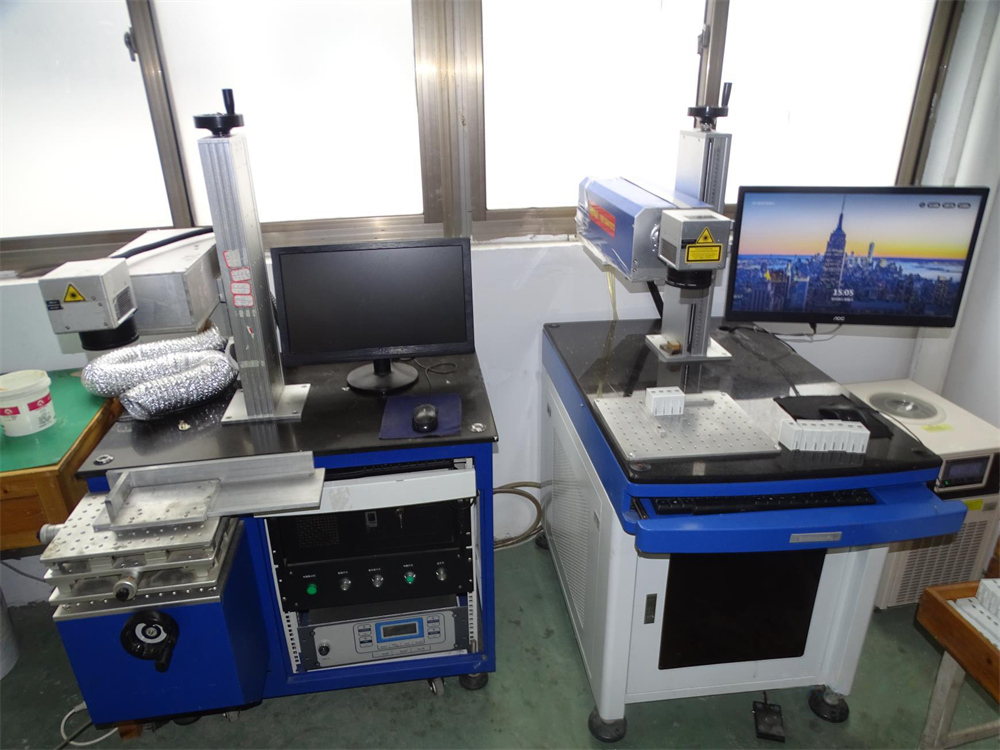
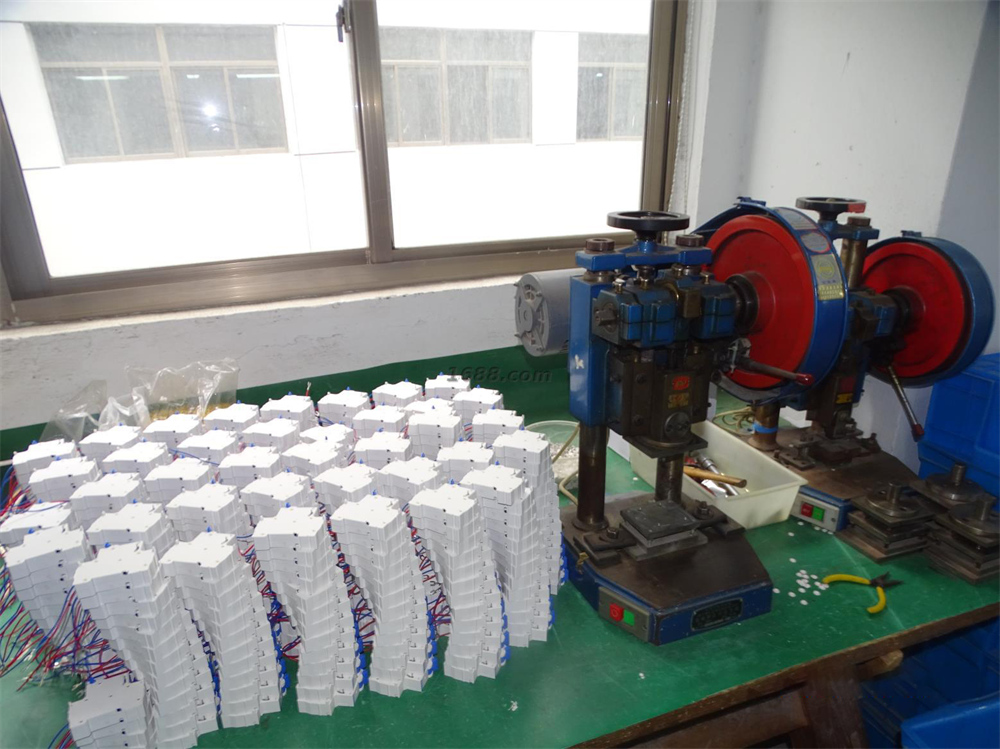
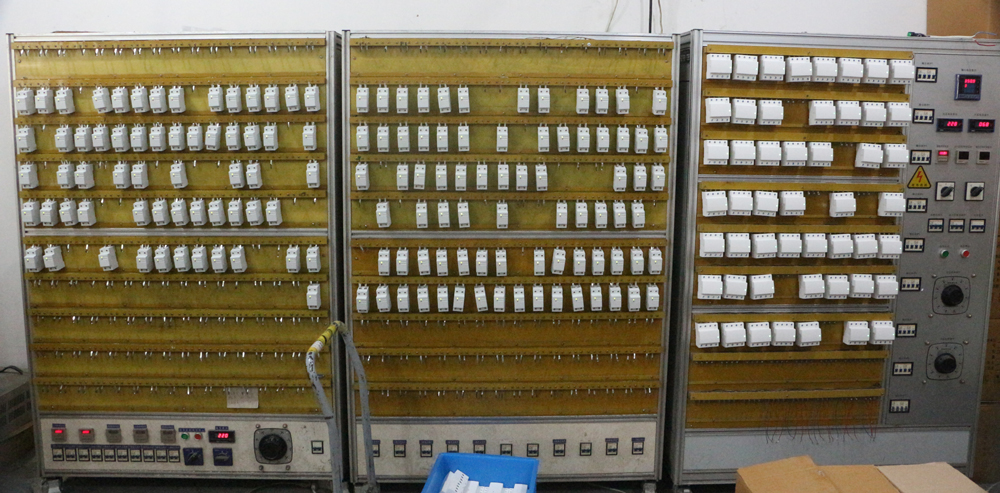
- Vertical In-House Processes: From precise mold development to metal stamping, plastic injection molding, and automatic coil winding, we handle critical production phases in-house to maintain strict quality standard controls.
- Production Lead-Time Mitigation: Even during seasonal logistics constraints, our automated factory footprint guarantees standard order deliveries in 15 to 25 days.