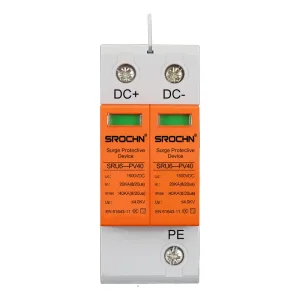
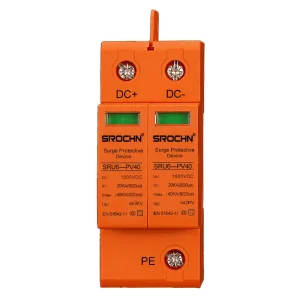
Wholesale DC 12V Contactor Suppliers & Manufacturer

High-Performance DC Control Solutions for Renewable Energy, Heavy Industry, and Electric Vehicles

The Essential Role of DC 12V Contactors in Modern Grid & Automation Architectures

Direct Current (DC) systems are the backbone of today's green tech revolution. Unlike Alternating Current (AC) systems where the voltage crosses zero periodically, helping to extinguish electrical arcs naturally, DC systems maintain a continuous voltage. This creates significant engineering challenges when switching currents, as electrical arcs can remain sustained, causing contact wear, welding, or catastrophic failure.

A high-performance DC 12V Contactor acts as an electrically controlled switch designed specifically for switching high-power circuits under DC load. Using a lower 12V control signal, these contactors reliably close and open main power paths carrying hundreds of amperes. By leveraging magnetic blowouts and advanced gas-filled arc chambers, modern contactors suppress electrical arcs rapidly, ensuring safe operation in vehicles, solar systems, and telecommunication distribution grids.

Choosing the right manufacturer requires assessing magnetic blowout designs, contact materials, coil power consumption, and mechanical life expectancy to ensure reliable long-term performance under demanding operating conditions.
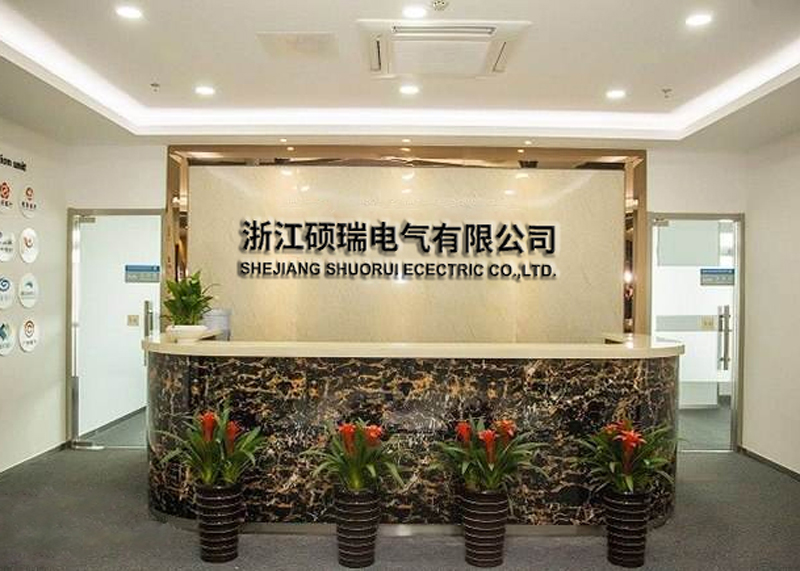
Shuorui Electric Corporate Profile and Research Facility

Shuorui Electric: Pioneers in Smart Electrical and Switching Technology

Zhejiang Shuorui Electric Co., Ltd. is strategically located in Liushi, Wenzhou, Zhejiang, widely celebrated as the Electrical Capital of China. This location positions the company at the heart of global low-voltage component manufacturing, surrounded by a robust network of raw material suppliers, research institutes, and logistically integrated shipping hubs.

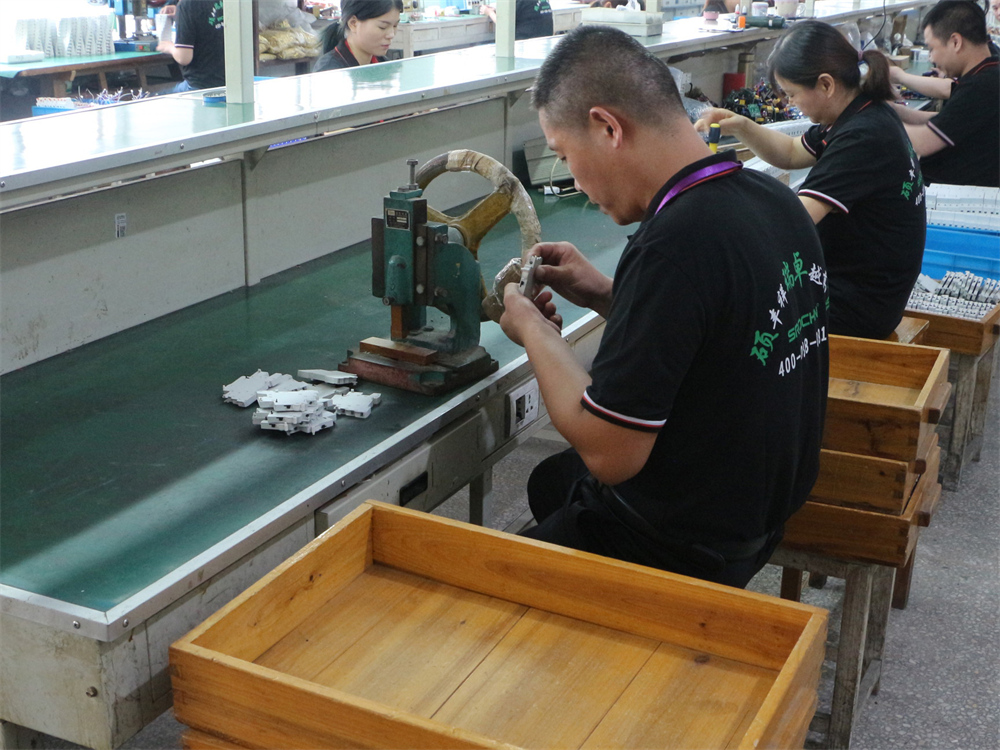
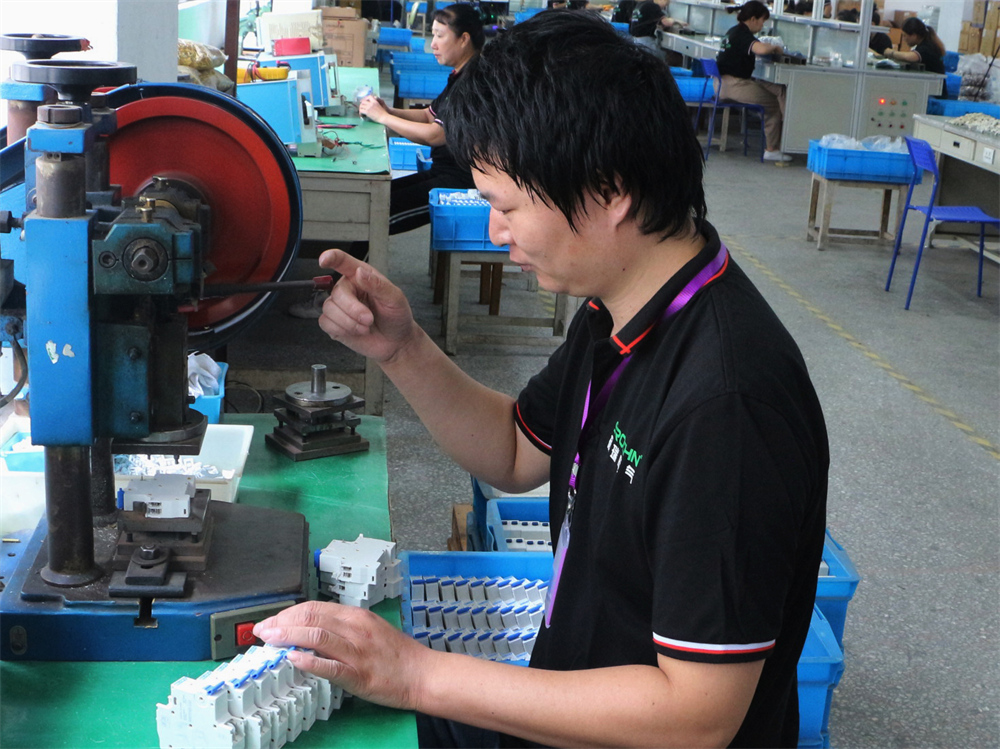
As a modern enterprise integrating product design, R&D, advanced manufacturing, and global sales, Shuorui Electric operates under a core philosophy: "the most cutting-edge technology, the best quality, the most sincere service, and the most favorable price." By making significant, year-over-year investments in engineering technology and assembly automation, we ensure our switching, circuit protection, and contact control systems lead the industry in reliability and economic efficiency.

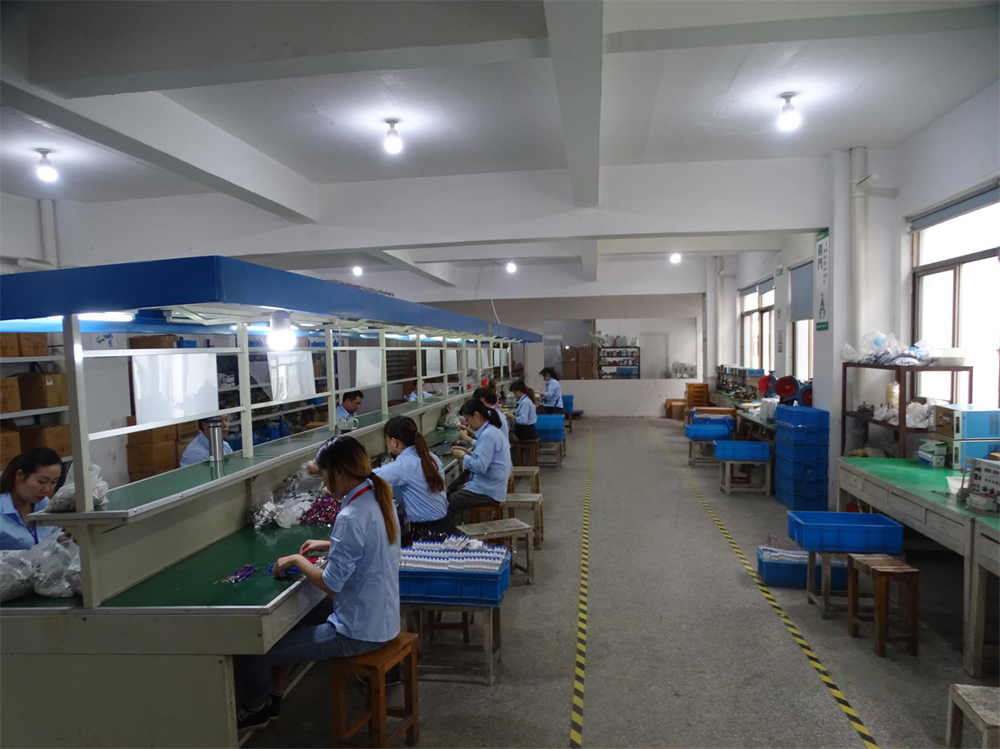
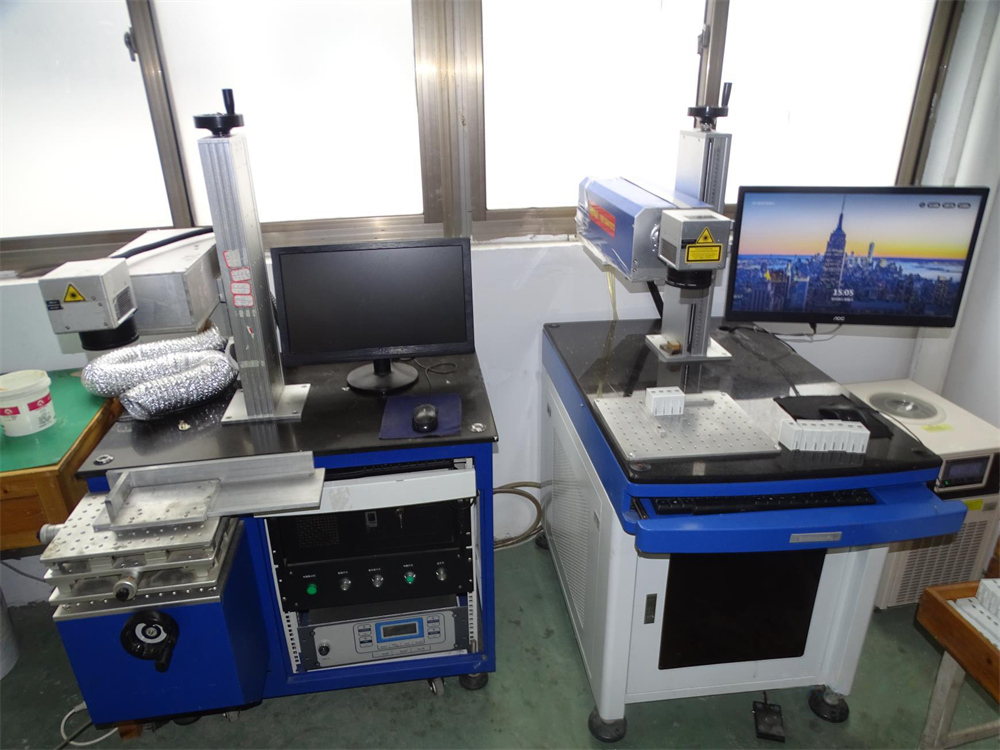
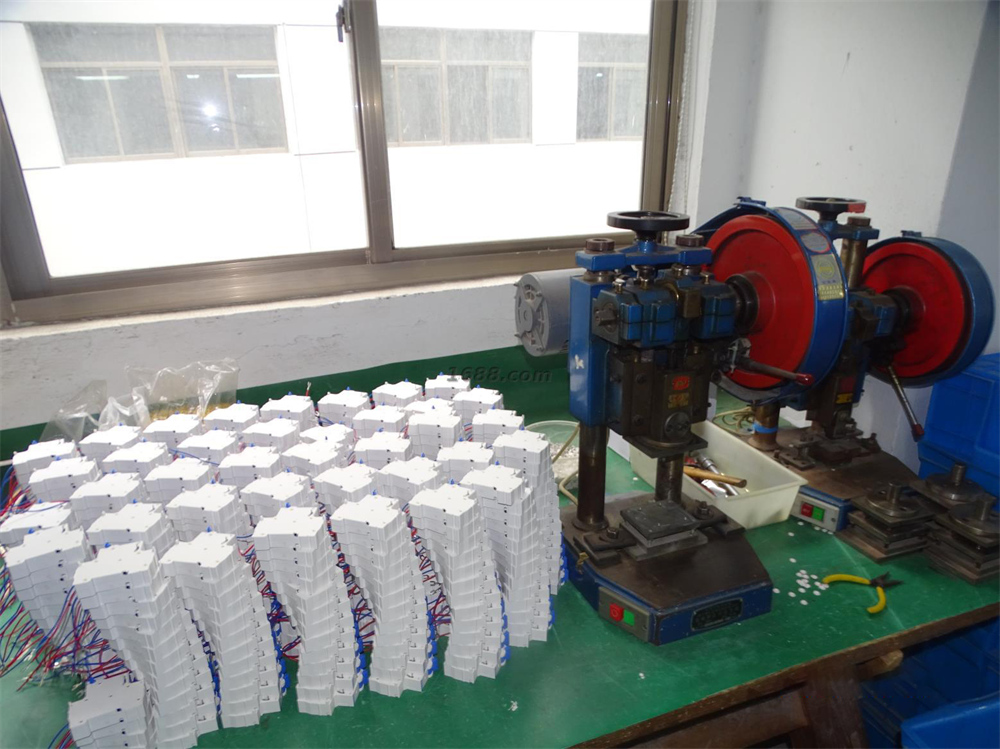
Advanced Manufacturing Process at Shuorui Electric Wenzhou Factory

Why Partner with Shuorui Electric?

Our commitment to rigorous design, advanced manufacturing systems, and complete supply chain transparency guarantees exceptional component performance

Strict Quality Control

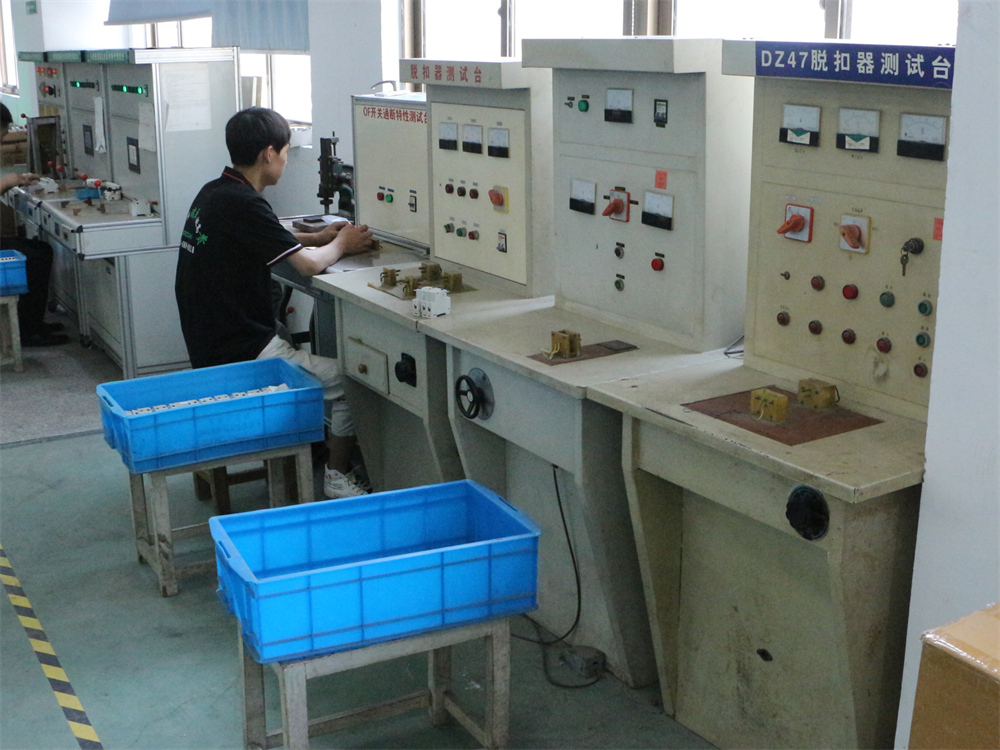
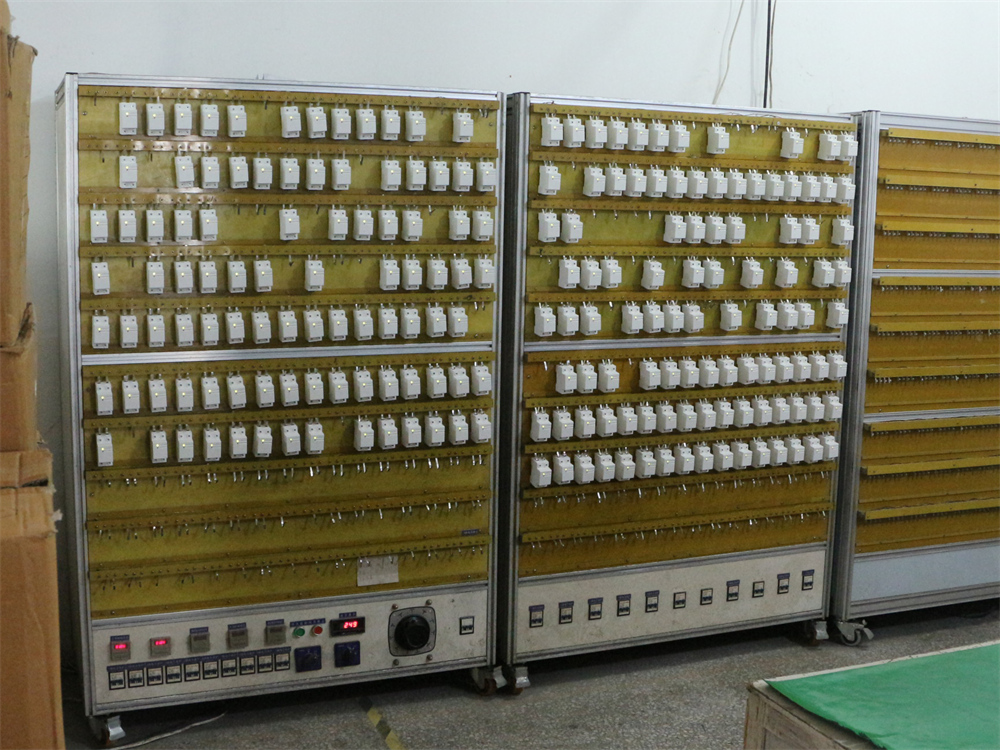
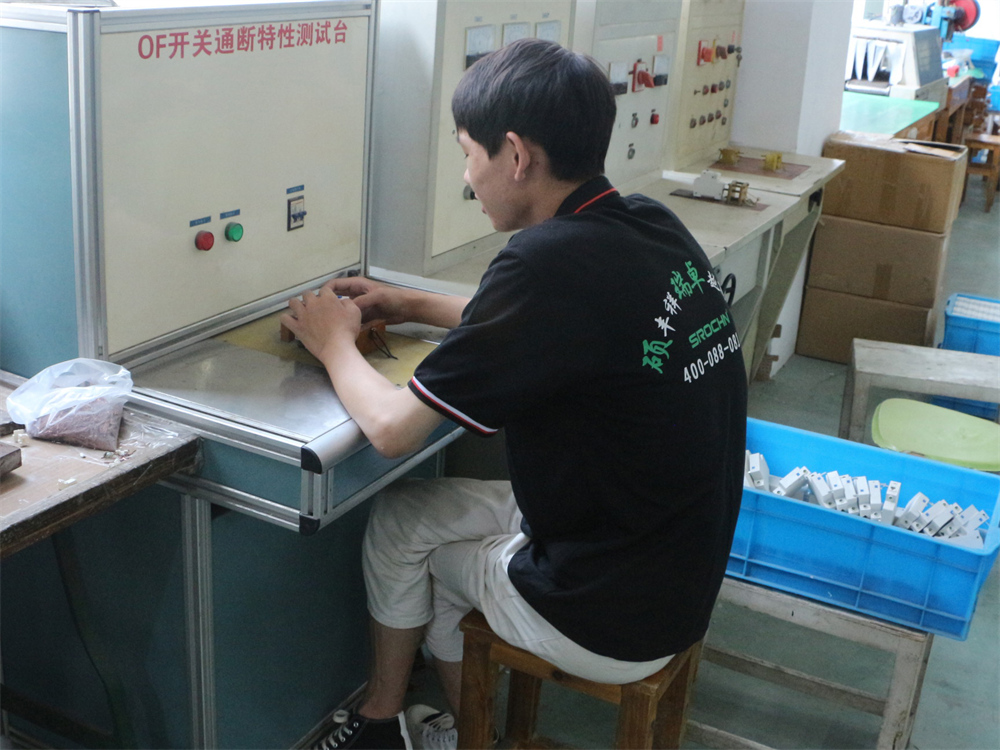
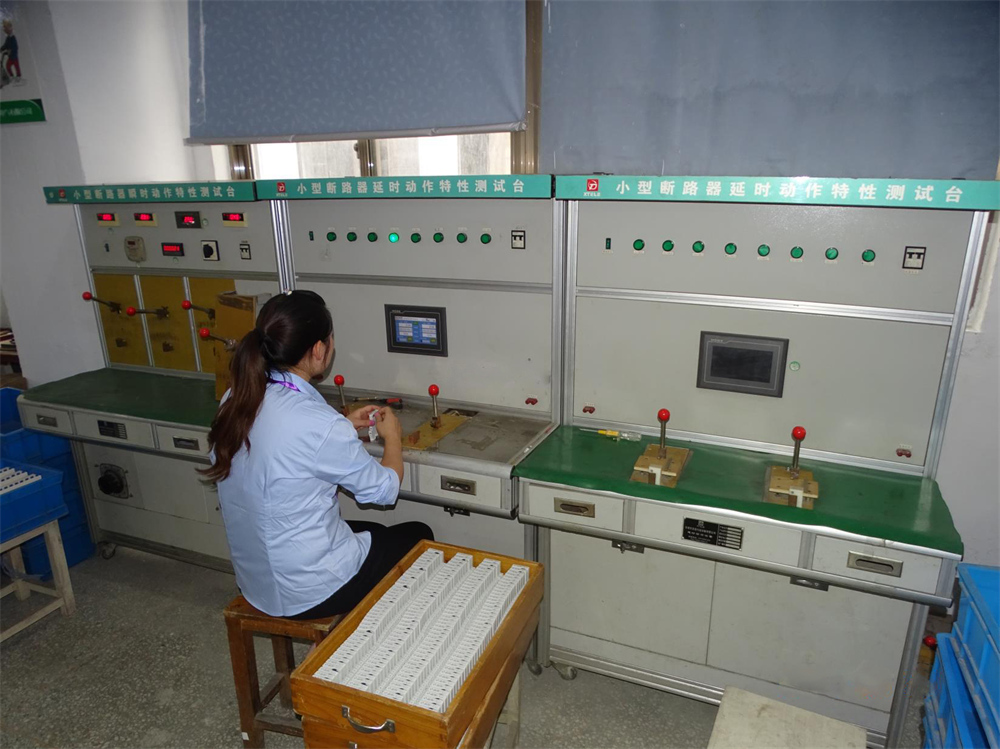
We enforce strict inspection standards from raw material entry to final automated testing, using advanced electrical simulation apparatus to verify every batch.

Product Diversity

We provide a comprehensive portfolio of electrical components, including MCBs, MCCBs, SPDs, DC Contactors, Smart Control Boxes, and PV Distribution components.

OEM & ODM Capabilities

Our engineering team designs custom coil configurations, custom housing shapes, auxiliary contact setups, and specialized mounting orientations for global clients.

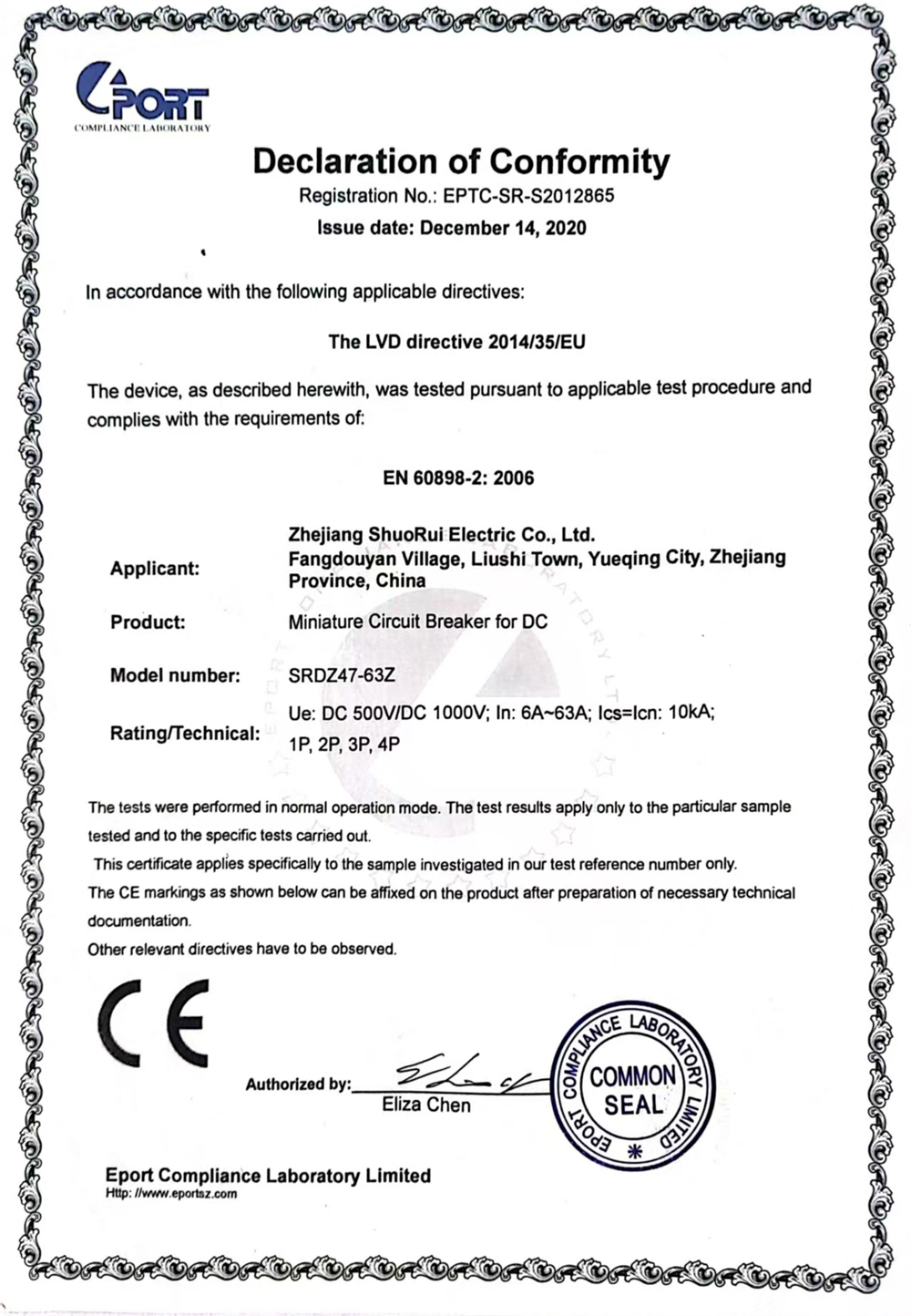
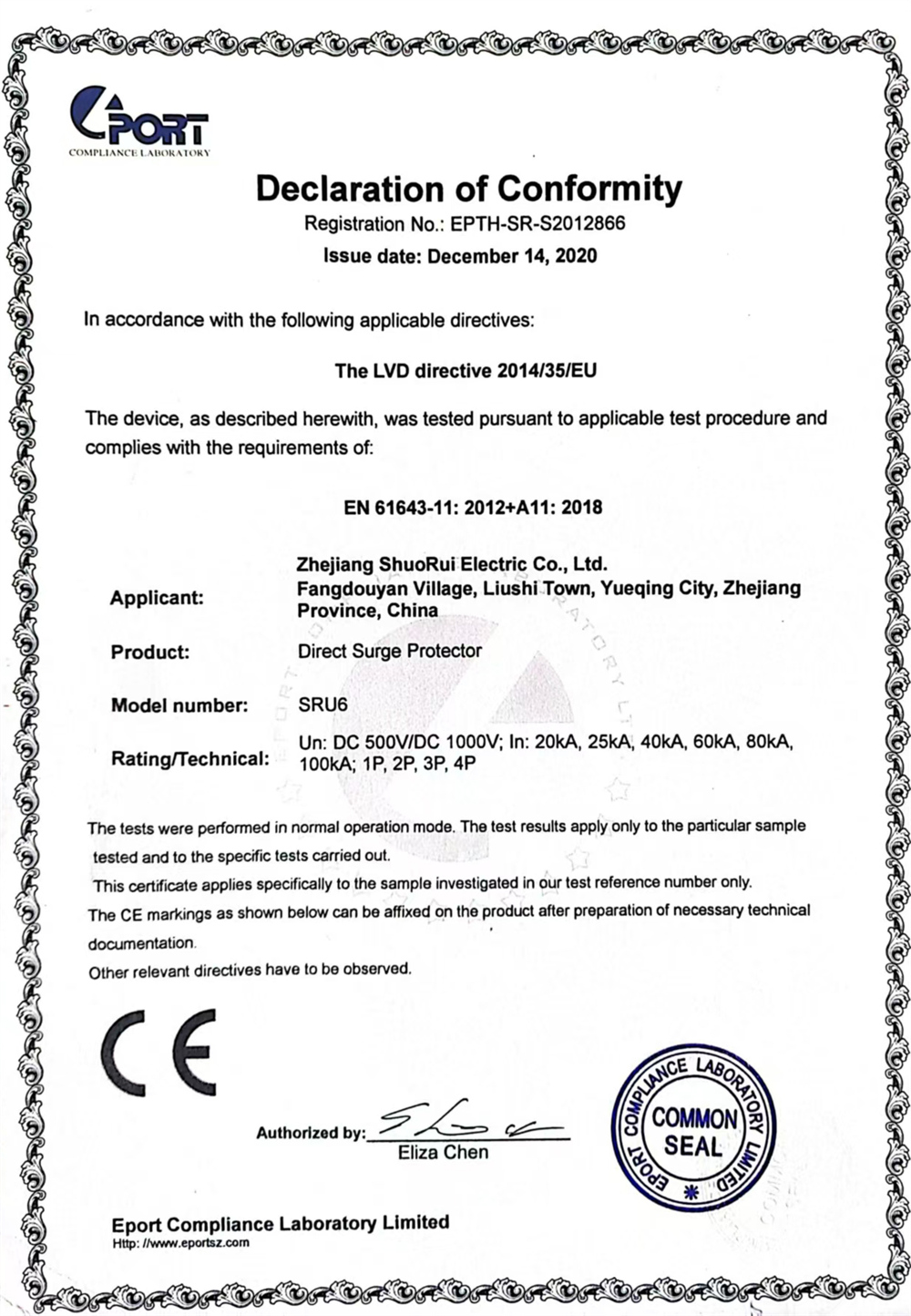
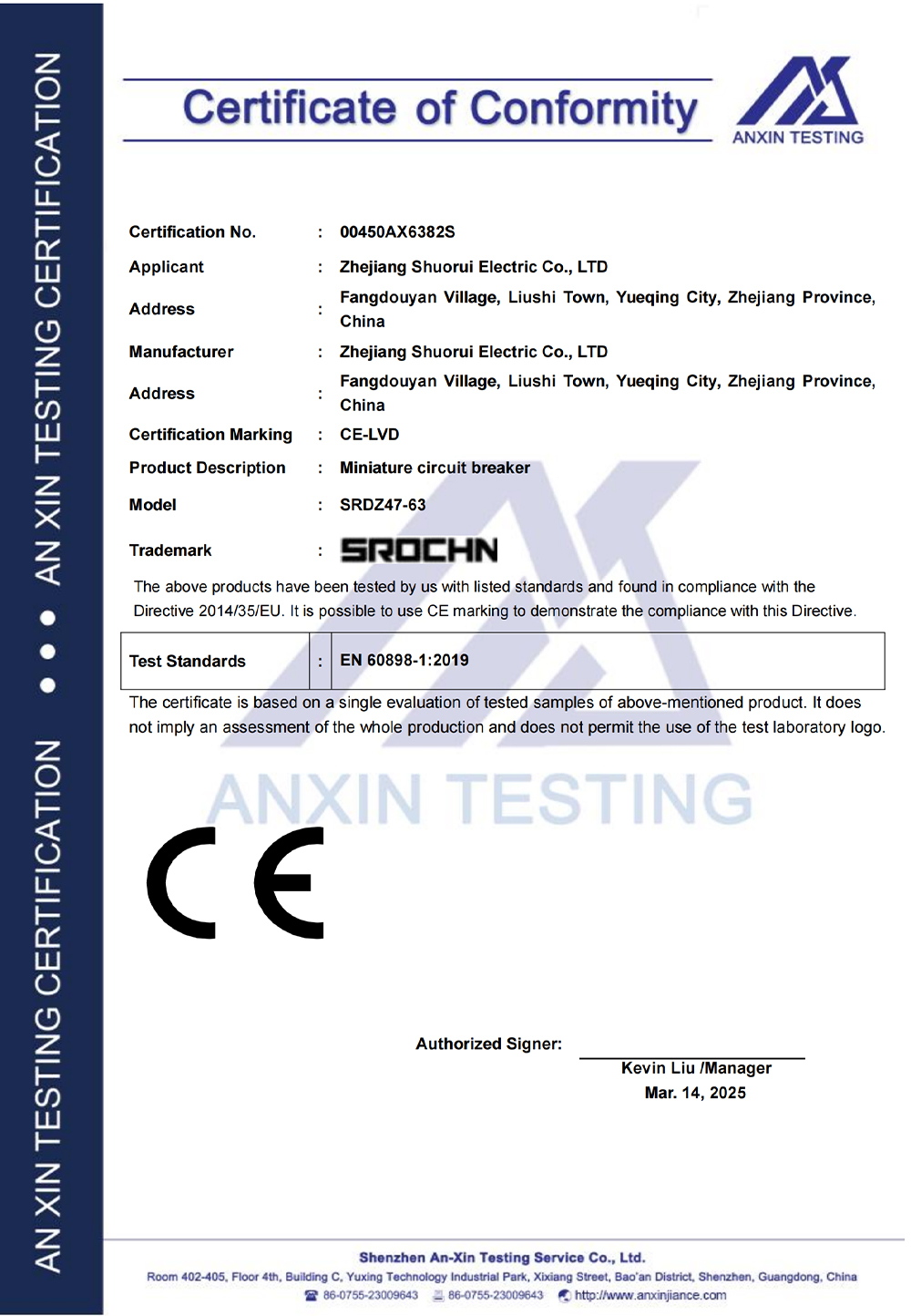
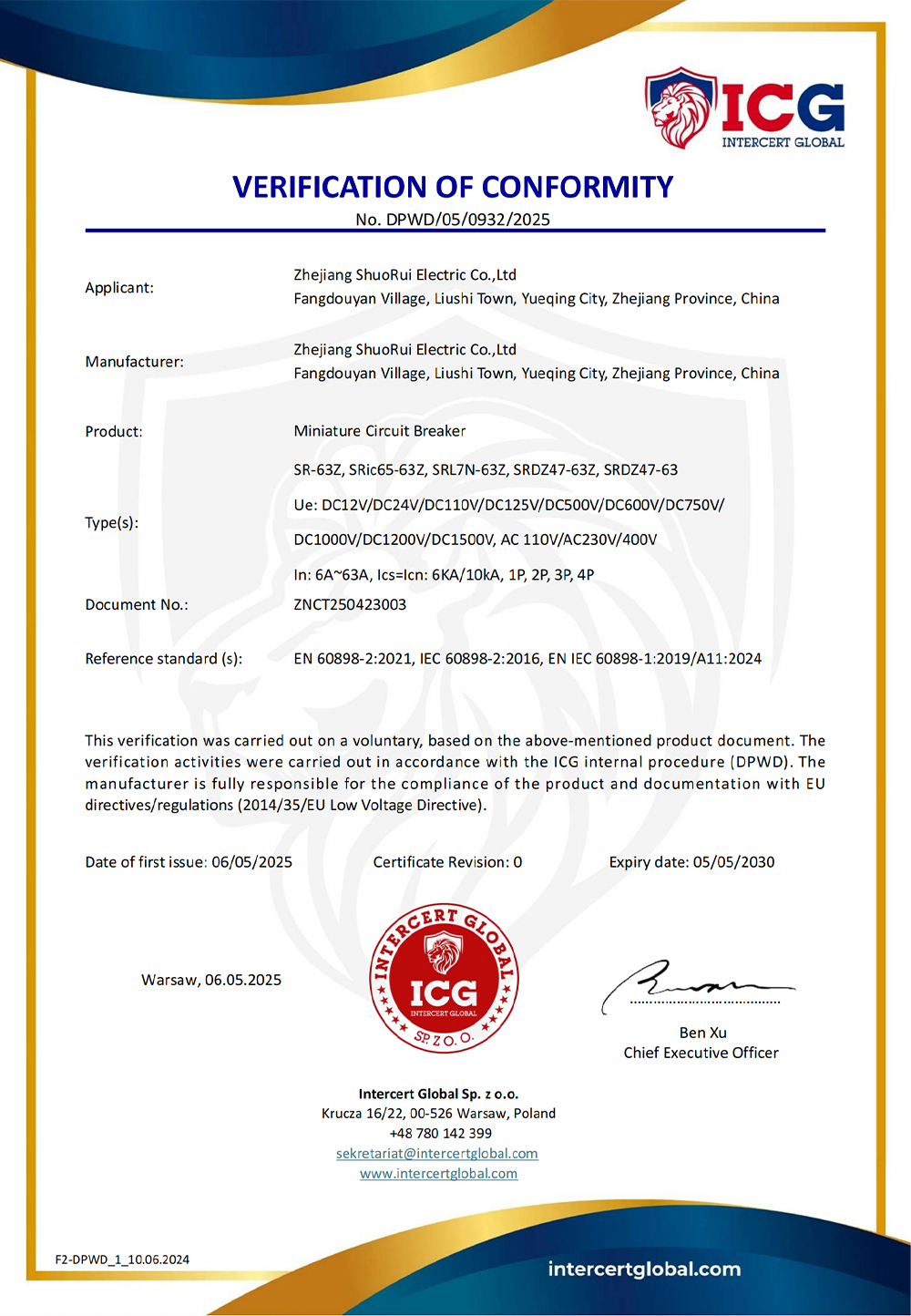
System Certification

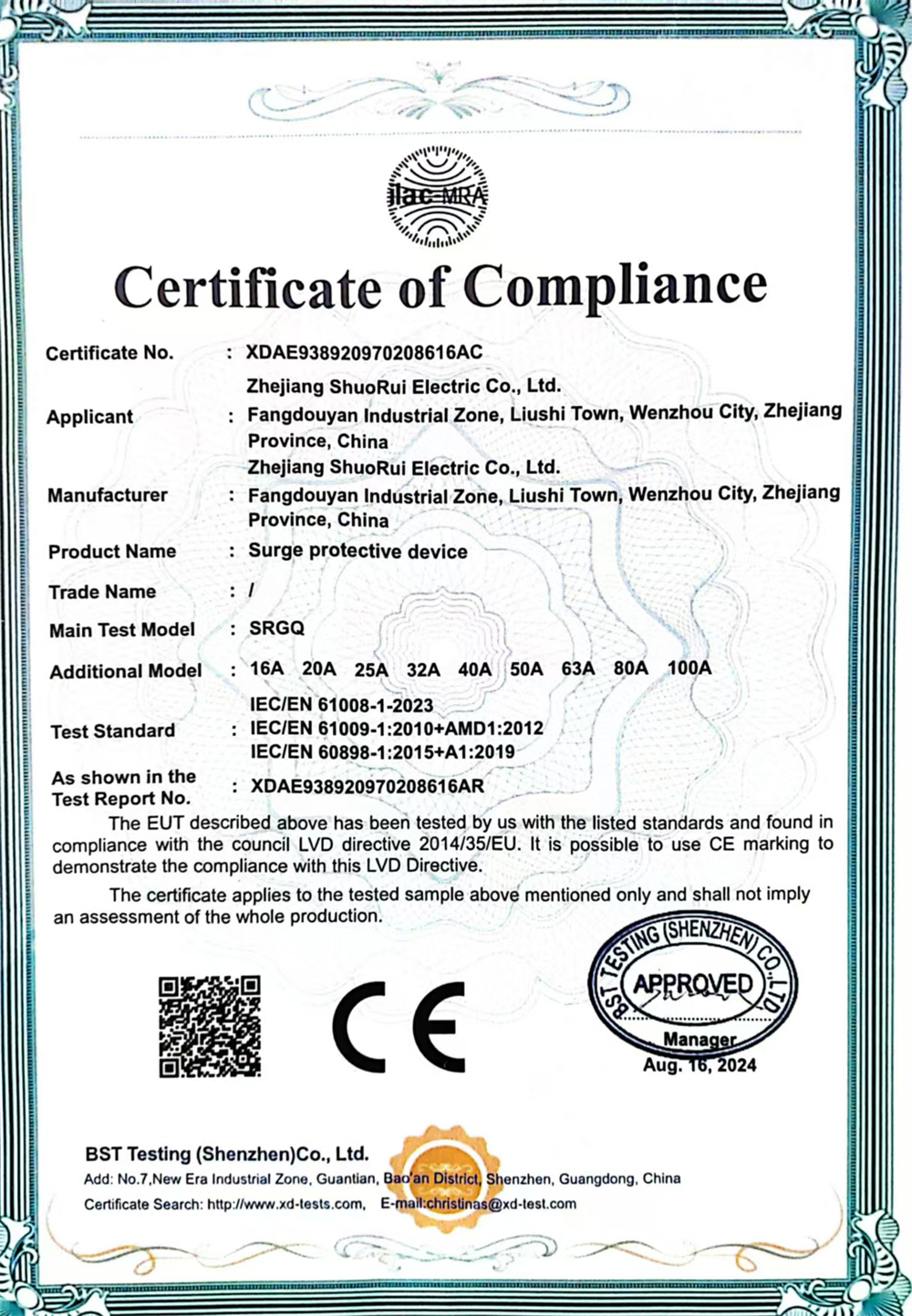
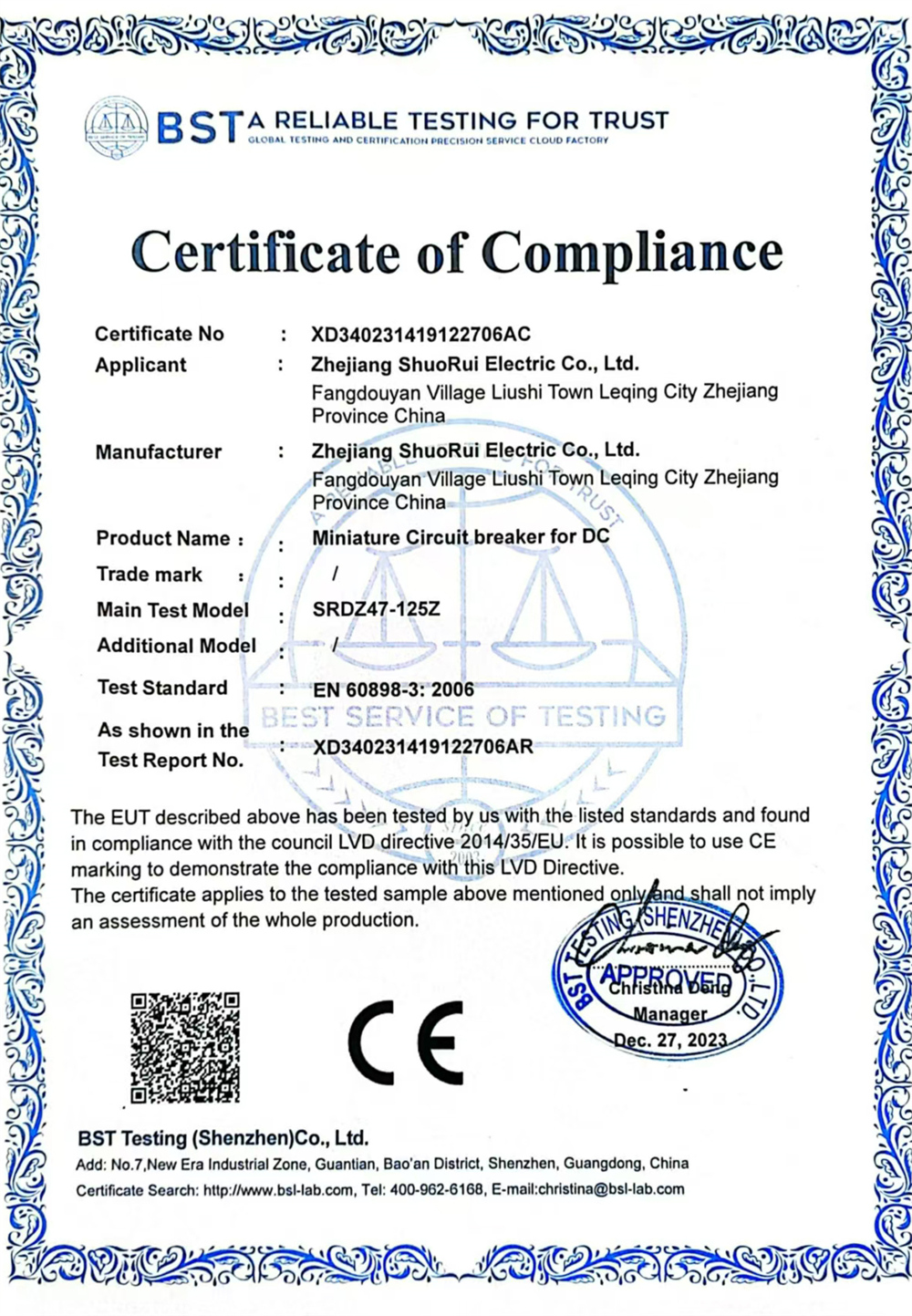
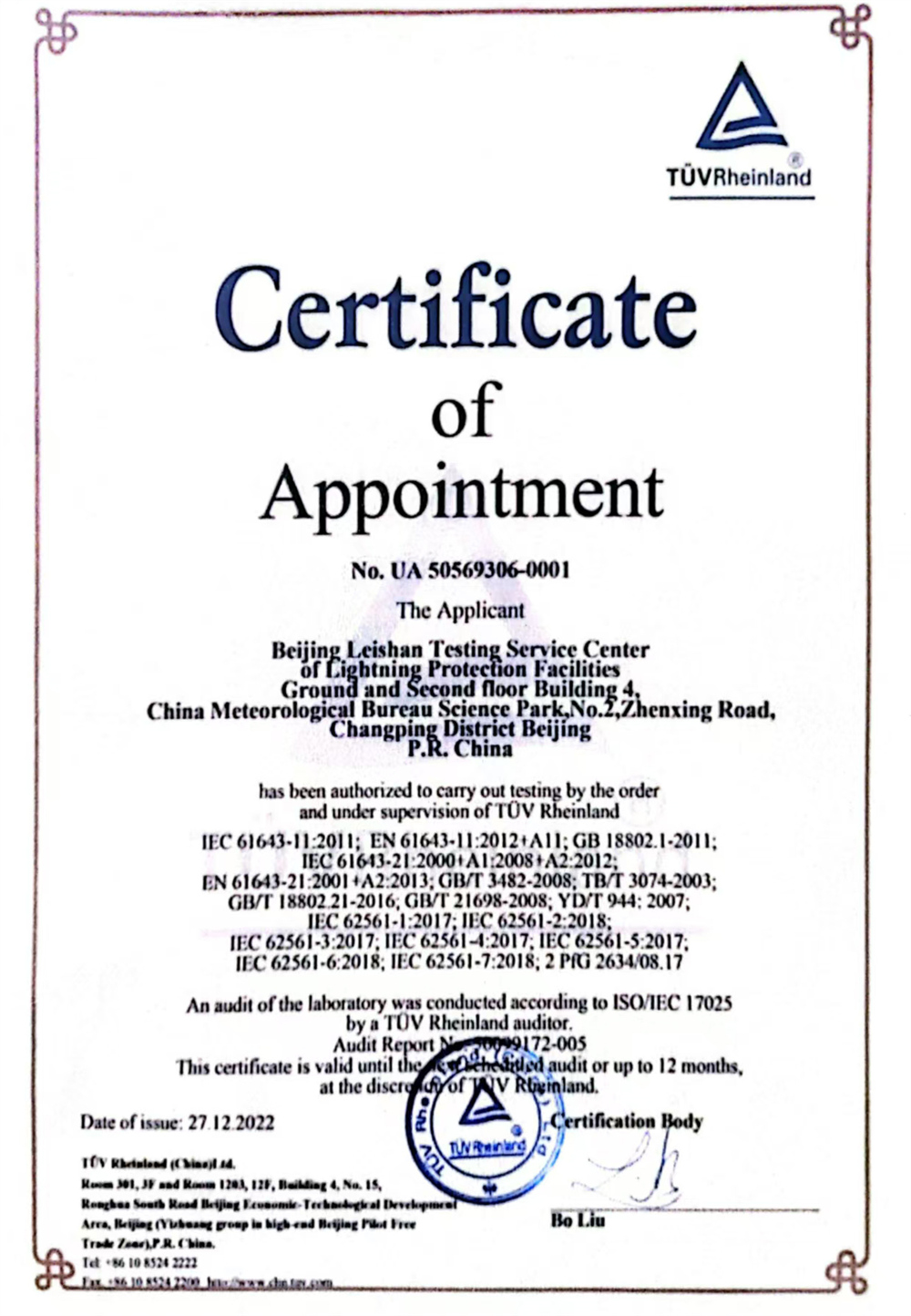
Our production facilities operate under ISO9001 management systems, and our products carry certifications like CE, RoHS, and TUV to meet global standards.

15+

Years of Engineering R&D

50+

Global Export Markets

100%

Factory Automated Functional Verification

0.02%

Field Defect Rate Limit

Engineering Insights: DC 12V Contactors & Sourcing Guidelines

Deep-dive research on how global sourcing departments evaluate DC contactors, local compliance, and the advantages of the Wenzhou supply chain.

Global Procurement Parameters

Procurement departments look beyond price to evaluate total cost of ownership (TCO). Critical factors include coil power loss, auxiliary contact configurations, dielectric strength, and contact resistance. Choosing contactors with silver-tin-oxide (AgSnO2) contacts offers excellent resistance to electrical erosion and material transfer, which reduces maintenance and field failures.

Liushi Supply Chain Advantage

Liushi, Wenzhou provides a highly integrated industrial ecosystem. Raw materials (copper, silver contacts, engineered plastics) are sourced within a 10-mile radius, which minimizes transportation times and logistics costs. This regional concentration enables rapid prototyping, flexible manufacturing runs, and highly competitive pricing without sacrificing component quality.

Compliance & Certifications

Operating in North American, European, or Asian markets requires adherence to local compliance guidelines, including UL 60947-4-1, CE, and RoHS directives. Having certified components helps clients avoid customs issues, streamline their own system-level certifications, and demonstrate a commitment to safety and environmental standards.

Key Applications for DC 12V Contactors

These contactors perform crucial safety and control functions across a range of modern energy and industrial systems.

1. EV Charging Infrastructure

Used to control power delivery and isolate high-voltage buses in DC fast-charging stations, ensuring safety for the vehicle and user when connecting or disconnecting power.

2. Solar Photovoltaic Systems

Integrated into combiner boxes and DC distribution panels to provide rapid system isolation and shutdown during maintenance or fault conditions.

3. Battery Management Systems (BMS)

Acts as the main safety disconnect in stationary battery storage systems (ESS), isolating battery banks from the grid or loads if a thermal or electrical fault occurs.

4. Telecom Power Systems

Controls low-voltage backup power paths in telecom base stations, switching battery power to main systems during power outages.

5. Industrial Material Handling

Controls main power distribution in electric forklifts, automated guided vehicles (AGVs), and auxiliary systems, protecting control units from power surges.

6. Marine & Off-Grid Power

Manages power switching between generator, wind, solar, and battery storage subsystems in marine vessels and off-grid electrical setups.

Enterprise Display & Production Capability

Get a direct look at our advanced manufacturing lines, quality testing labs, and certified packaging workflows
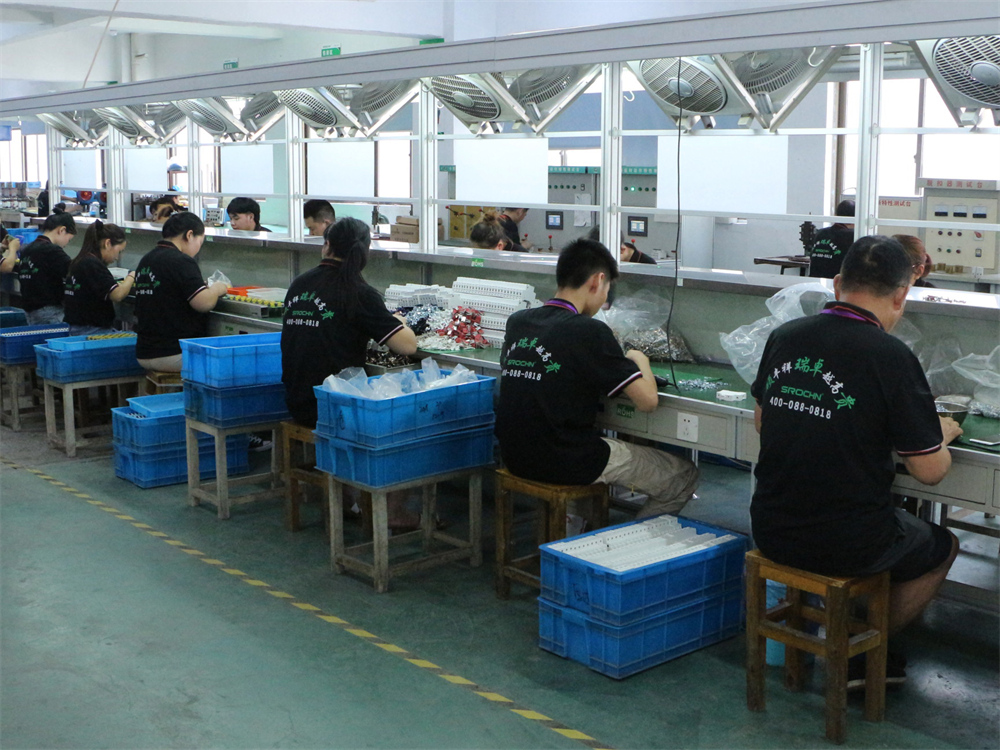
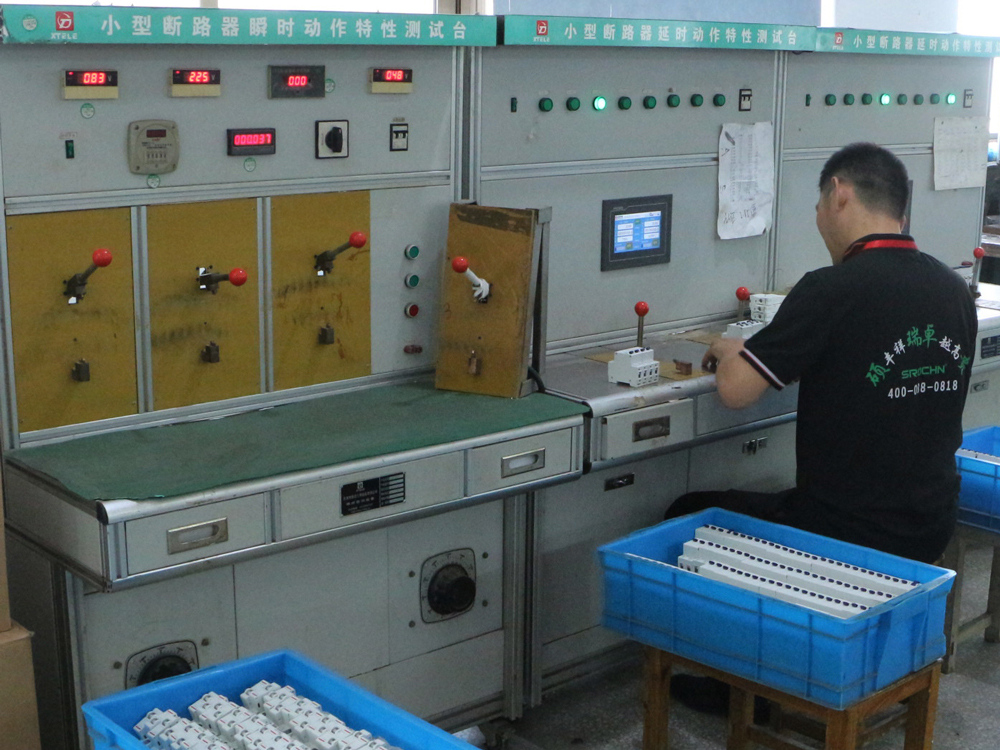
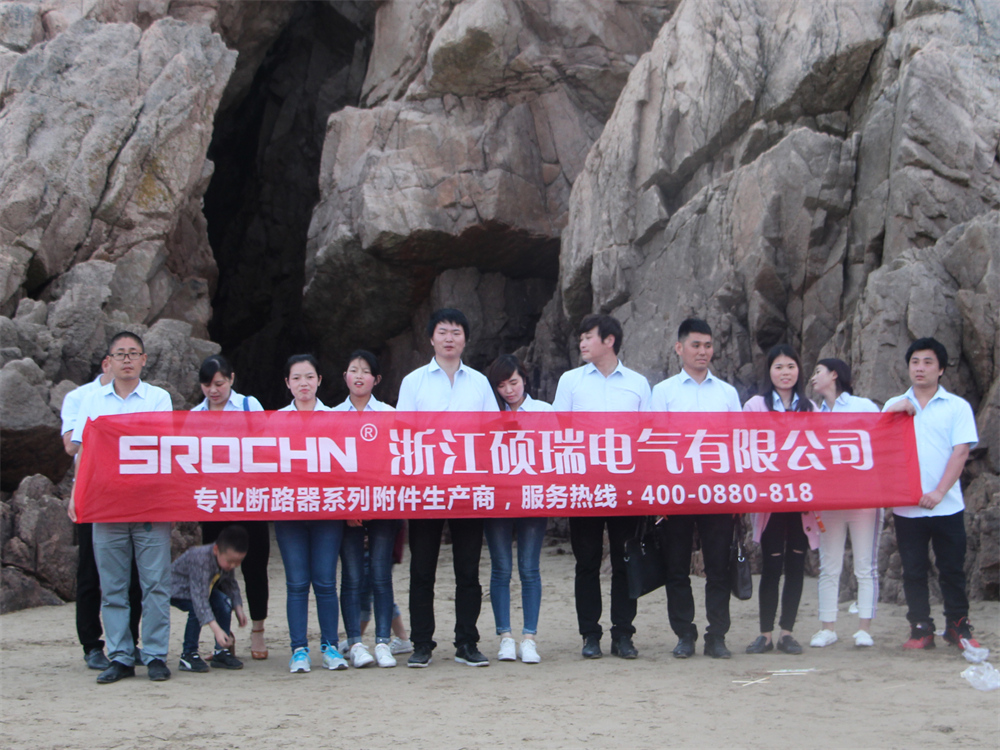
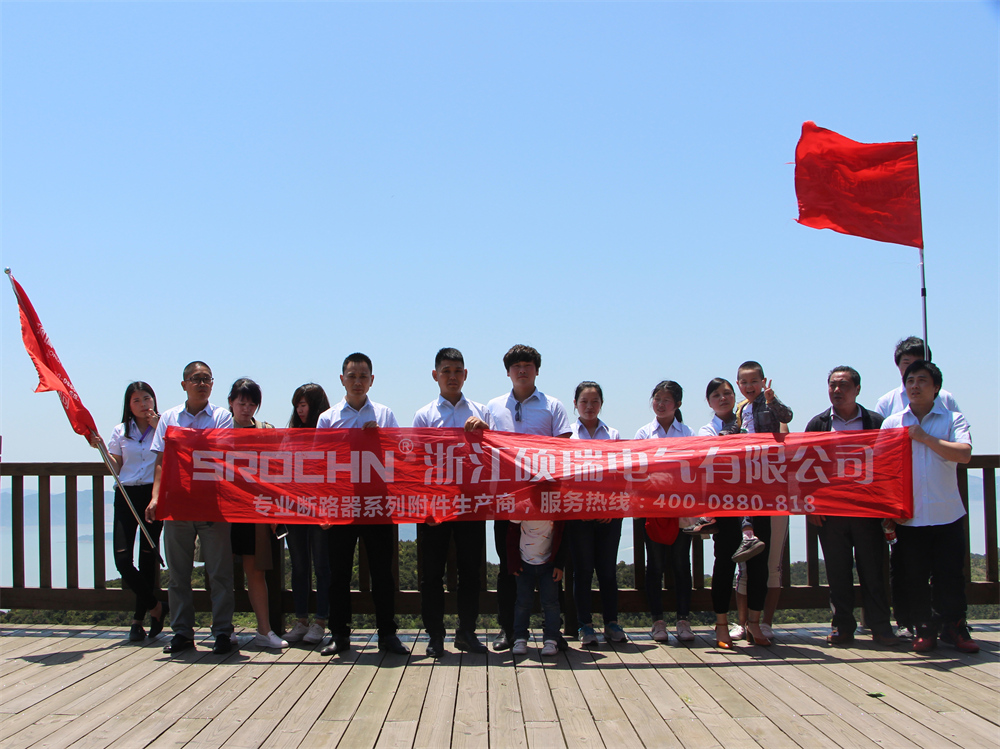
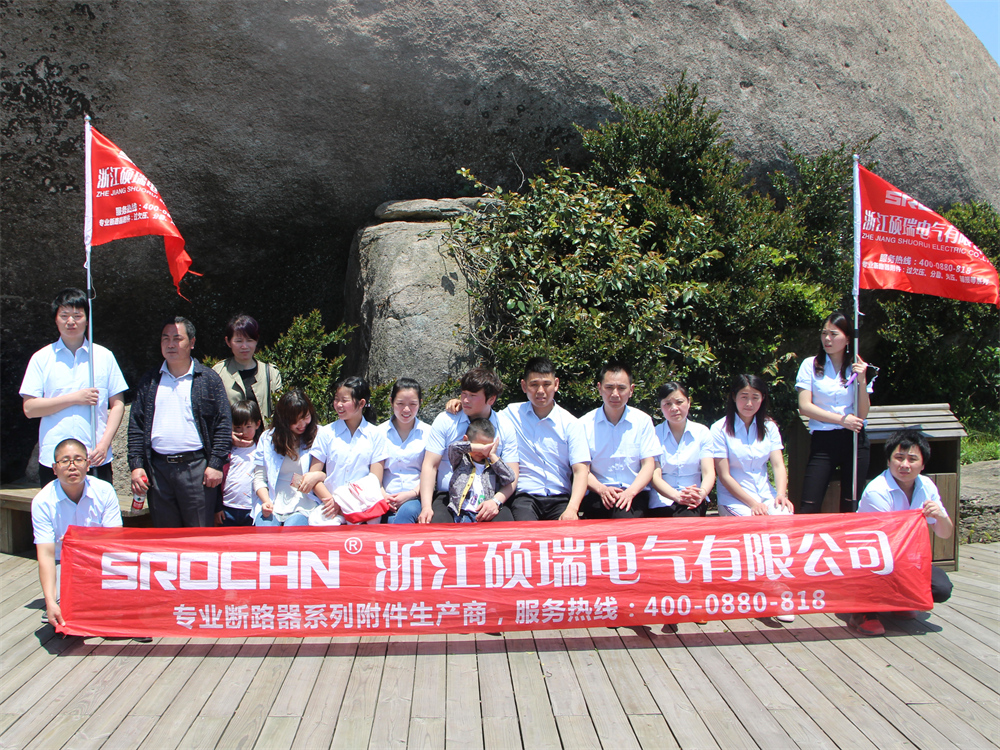
Workshop & Team Photo Gallery

Automated CNC Production Area
Precision Injection Molding Area
Component Inspection & Verification Line
Final Product Calibration Facility
Contactor Coil Winding Machine
Warehouse and Logistics Center
High Voltage Safety Testing Chamber
Product Durability Life Cycle Testing Unit
Raw Silver Copper Alloy Storage Area
Custom ODM Product Layout Area
Quality Management System Control Room
Secure Shipping Packaging Station

Our Professional Engineering & Operations Team

Shuorui Engineering Design Team
Quality Control Inspection Officers
Global Trade Support Desk
Production Workshop Management Group
Safety and Standards Compliance Officers
Technical Support and Field Engineers

Certified Safety & Performance

Our manufacturing and product designs undergo testing by international standard bodies
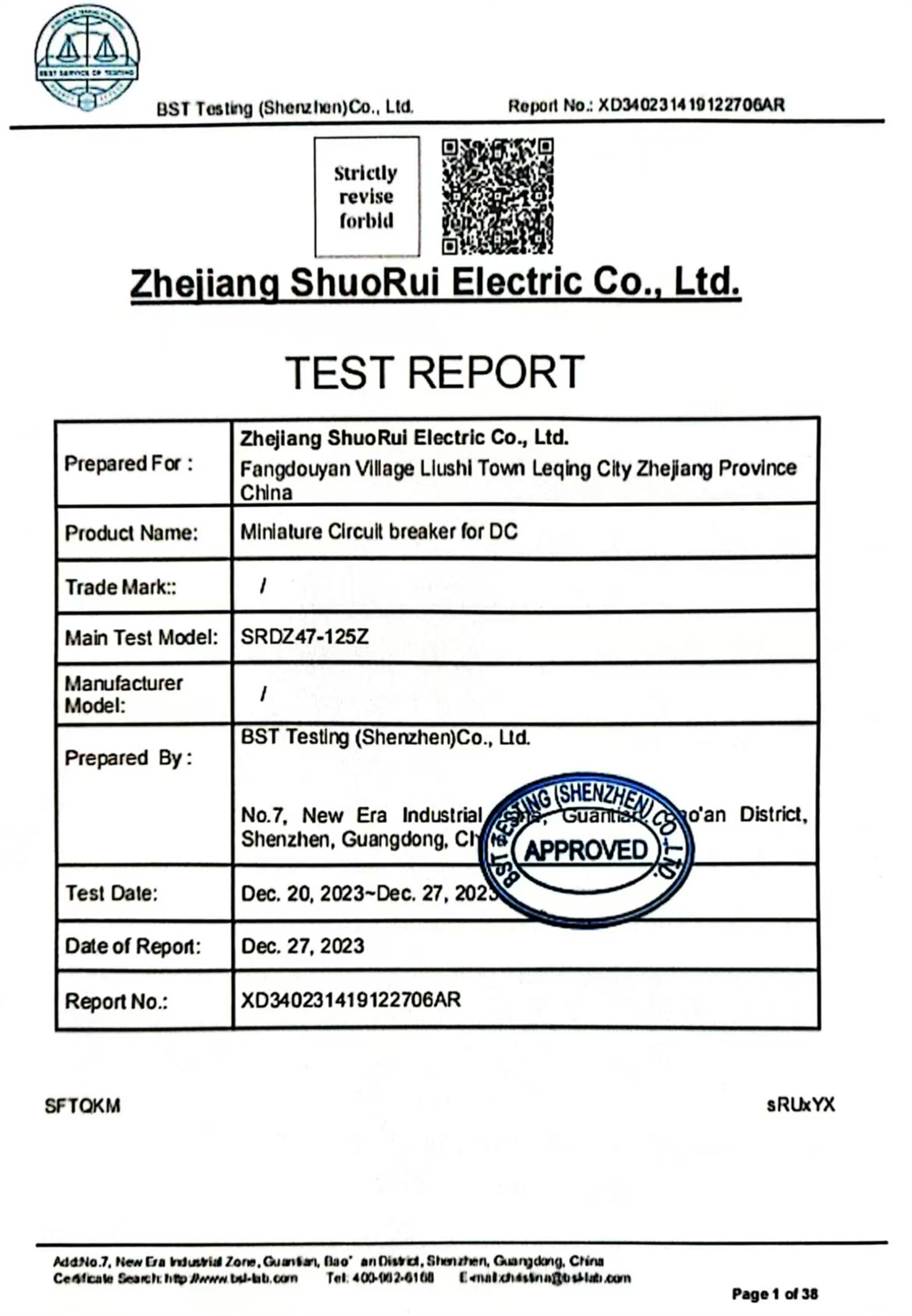
Electrical Safety Certificate 1
ISO 9001 Facility Accreditation
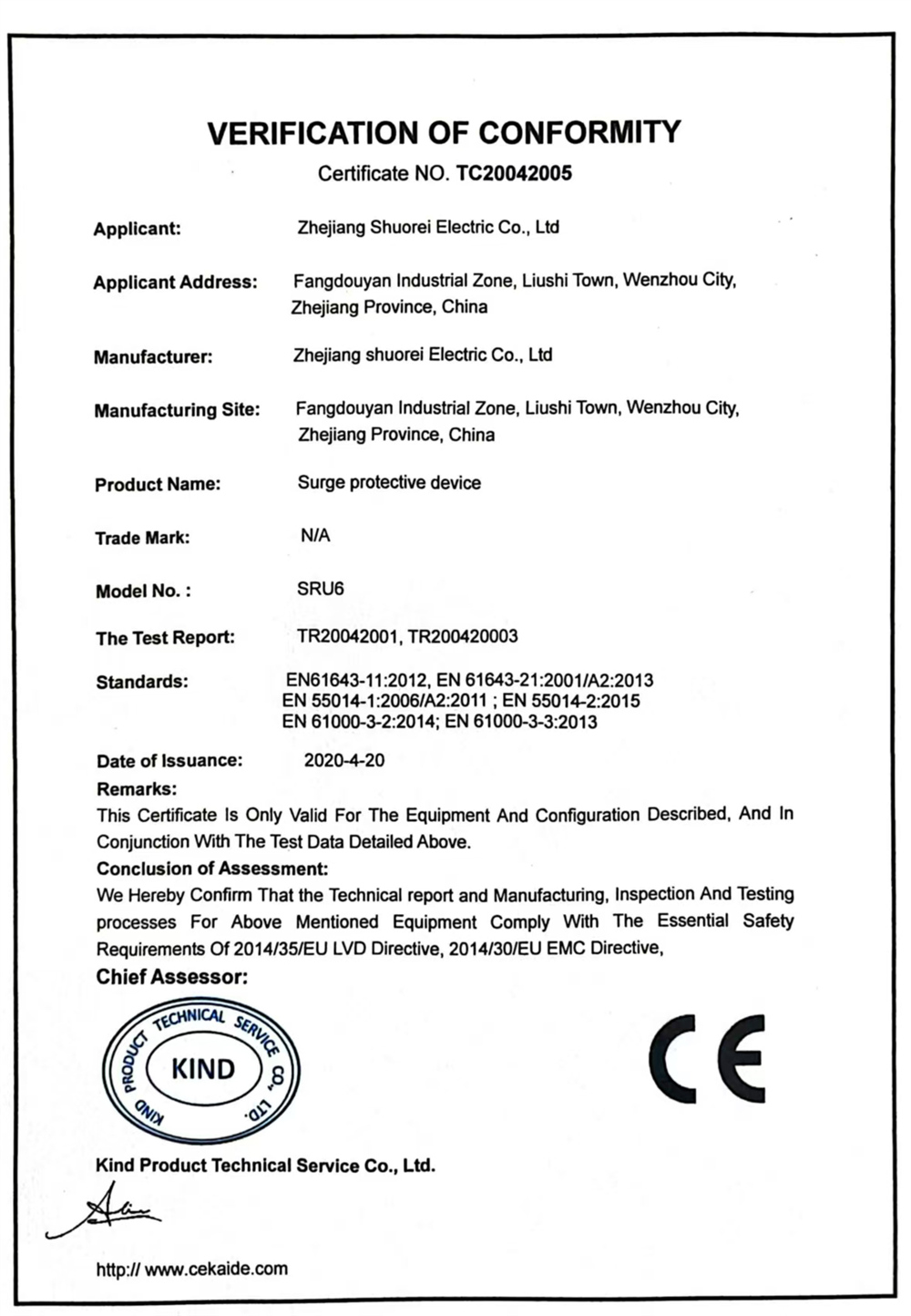
CE Mark Certification Document
RoHS Environmental Compliance
TUV Rheinland Test Document
GB/T Standard Conformity Certificate
Low Voltage Directive Compliance Document
Electromagnetic Compatibility Certificate
Ingress Protection IP67 Assessment
Factory Audit Pass Certificate

Technical Q&A: DC 12V Contactors

Detailed engineering explanations and troubleshooting steps for high-current DC switching operations.

Q1: What is the main difference between an AC contactor and a DC 12V contactor?
The primary difference lies in the design of the arc extinguishing system and the magnetic core. AC arcs naturally extinguish when the alternating voltage passes through the zero point. DC currents do not cross zero, creating a sustained electrical arc when contacts open. A DC 12V contactor uses permanent magnets (magnetic blowouts) to push the arc into cooling fins for rapid suppression, and features a solid core instead of a laminated core to reduce magnetic losses under DC coil control.
Q2: Why are magnetic blowouts critical for DC contactors operating at high currents?
Under high-voltage DC loads, the electrical arc generated during contact separation can reach thousands of degrees, which can melt contacts and damage housings. Magnetic blowouts use permanent magnets near the contacts to create a magnetic field. According to the Lorentz force, this field deflects the arc, stretching it out and pushing it into the arc-chute where it is cooled and extinguished. This design prevents contact welding and extends the mechanical life of the contactor.
Q3: How do contact materials affect the performance of a DC 12V contactor?
Contactors typically use silver alloy contacts, such as Silver-Tin-Oxide (AgSnO2) or Silver-Nickel (AgNi). AgSnO2 is preferred for high-current switching because of its high melting point, resistance to material transfer, and resistance to electrical erosion. This material helps prevent contact welding during inrush currents, making it ideal for solar inverters, battery banks, and electric vehicle charging applications.
Q4: What are the primary causes of contact welding in DC contactors?
Contact welding is usually caused by excessive inrush current, contact bounce, or insufficient contact force. When contacts close, high initial currents can melt the contact surfaces. If the contact spring is weak or there is mechanical vibration, the contacts may bounce slightly, drawing mini-arcs that weld the surfaces together as they re-close. To prevent this, our contactors feature optimized spring tension and bounce-reduction contact geometry.
Q5: Can a DC 12V contactor be operated continuously, and what is coil temperature derating?
Yes, contactors rated for continuous duty (Class Y/100% duty cycle) can remain energized indefinitely. However, continuous excitation generates coil heat. As the coil temperature increases, its electrical resistance rises, which reduces the draw current and weakens the magnetic hold. Our designs account for this thermal shift by utilizing high-temperature copper windings and optimized heat dissipation paths to ensure reliable contact force even at peak operating temperatures.
Q6: How does coil suppression protect the control circuit from inductive voltage spikes?
When power to the 12V DC coil is disconnected, the collapsing magnetic field generates a large reverse voltage spike (back EMF) that can damage control electronics (like PLCs or microcontrollers). To prevent this, we offer optional built-in suppression components, such as flyback diodes, varistors, or transient voltage suppressors (TVS diodes), which clamp the voltage spike to a safe level.
Q7: How do environmental factors like dust and humidity affect contactor sealing choices?
In dirty or humid conditions, open-frame contactors can suffer from dust buildup on contact surfaces, leading to high contact resistance and localized overheating. For these environments, hermetically sealed or epoxy-sealed contactors are recommended. These sealed units protect the contacts from moisture, dust, and explosive gases, and are ideal for marine, petrochemical, and automotive applications.
Q8: What customizations are available through Shuorui Electric's OEM/ODM services?
We provide a wide range of customization options, including custom coil voltages (e.g., 24V, 48V, or wide-range inputs), auxiliary contact packages (Normally Open/Normally Closed configurations), custom brackets and mounting profiles, and specialized terminal connectors. Our engineering team uses advanced electrical and thermal simulation to verify custom designs before producing prototypes.

Need a Custom DC 12V Contactor Solution?

Connect with our engineering team for technical parameter matching, customized coil designs, or volume pricing requests.

Send Technical Inquiry